Exhibitions
Ponlai Rice: A Century of Contemporary • Chapter 1 蓬萊米 • 百年當代 | 卷一
Two-person show with Katie Strachan
Curated by Chien Lee 李芊
PLACE O, Taipei, Taiwan (2026)


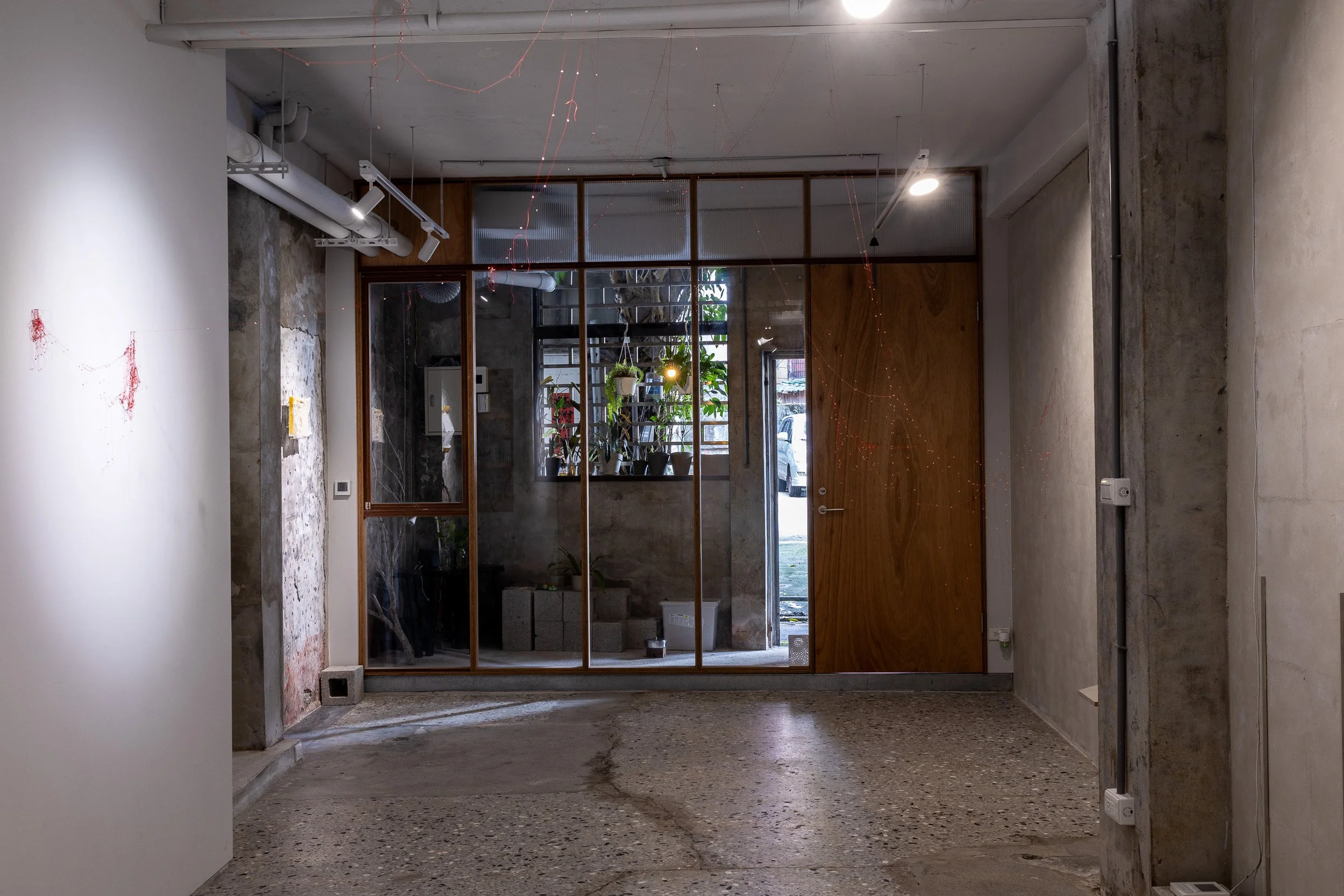


Rhythms of Cultivation Across a Silent Universe《寂靜宇宙中的耕作韻律》(2026), 1,000 grains of rice tied to red thread, installation dimensions variable.
This exhibition is part of a broader program that marks the centennial of Ponlai rice 蓬萊米. Developed by the Japanese when Taiwan was under colonial rule, Ponlai rice is the most commonly consumed rice cultivar in Taiwan — and a staple I grew up eating in the US. In response to the theme and history of Ponlai rice, I have created an installation consisting of 1,000 grains of rice tied to red thread. Titled Rhythms of Cultivation Across a Silent Universe《寂靜宇宙中的耕作韻律》, the work is a meditation on the colonial history of the rice, on human nature, and how such a small everyday element of life embodies the history and culture of a space. In thinking about this project, I have delved into scientific literature on the history of rice domestication and cultivation, on human nature and colonization, as well as the history of Ponlai rice. I find it interesting that the term "colonization" is derived from Latin words related to cultivating and farming—and that Ponlai rice should be so relevant to these multiple aspects of humanity. The delicate nature of this installation renders it barely visible as it traverses across space, but in places where the thread and grains of rice intertwine—becoming tangled and knotted—the presence of the work becomes more perceptible, a reflection of the complexity of history and human behavior across time and space.
Exhibition Statement
Ponlai rice is at once a crop, a grain, and a daily sustenance; a material embodiment of colonial relations and cultural exchange between Japan and Taiwan, and a vital catalyst in shaping contemporary Taiwanese taste.
The year 2026 marks the centenary of Ponlai rice: its successful cultivation, its grounding in Taiwanese soil, and a century of lived presence. Shaped by Taiwan’s climate and terroir alongside the governance imperatives of the Japanese Empire, Ponlai rice emerged from the crossbreeding of two Japanese varieties, Shinriki and Kameji, with the pollen of indigenous upland rice. The arrival of this tender, glutinous grain—distinct from the slender, long-grain Indica—reconfigured culinary repertoires and redefined sensory expectations of texture. Concurrently, through the ubiquity of the Tatung electric cooker, the distinct ergonomics of Taiwanese chopsticks compared to those of Japan and Korea, and a dining populace whose composition remains fluid and plural, our relationship with Ponlai rice—forged through the acts ofcultivating, cooking, and commensality—has assumed a distinctly Taiwanese contour: one that remains continually contemporary and in constant flux.
Though so seamlessly woven into daily life as to elude conscious inquiry, Ponlai rice possesses an intricate texture. The transition from living plant to raw grain, and ultimately to cooked fare, resists any linear trajectory; it is an inherently multisensory and transcultural experience—a site of embodied everyday assembly. Ponlai Rice: A Century of Contemporary brings this full sensorium to the fore. Grounded in diverse cultural practices—indigenous, long-settled, and newly arrived—the project seeks to unfold and expand the palimpsest of Ponlai rice.
Conceived through an initiative led by food scholar and culinary practitioner Wang Chung-Shan, Ponlai Rice: A Century of Contemporary is situated within the "Centenary Waves of Rice" programme, organised and implemented by the Rice for Good Association. Dedicated to eco-friendly farming, philanthropic grain distribution, and culinary culture, the Association unites conscientious growers, social welfare organisations, and community advocates to establish a virtuous cycle of sustainable sustenance. Mobilising art and culture, the project engages with urgent contemporary imperatives across Taiwanese society—sustainable agriculture, food equity, and agrarian literacy—extending the century-long trajectory of a single grain into an enduring commitment to Taiwan’s land and its people.
Moving beyond the immediate gustatory assumptions of the dining table, Ponlai Rice: A Century of Contemporary | Chapter 1 directs critical attention to aspects of the grain frequently obscured by discussions of taste and the habits of daily consumption.
Through the repetitive labour of tying, Jocelyn Shu spends sustained periods observing and handling individual grains of Ponlai rice. Bound one by one with red thread, these minute grains accrue a striking visual gravity through their interconnectedness. At the same time, each single grain remains distinctly legible, held within the viewer’s close regard. Suspended and cascading through the gallery, this site-specific sculpture commands a presence beyond mere material measurement—imbued with the deep-seated history of the grain, the sheer accumulation of artistic labour, and an unfamiliar occupation of space.
Engaging likewise with tangible matter to trace cultural lineages, Katie Strachan takes the praxis of ‘preservation’ as her central inquiry. The rice sack serves a dual purpose: physically, it shields and preserves both raw and milled grain; socially, it conveys variety, origin, and cultural affinity to those who consume it. It exists simultaneously as an agrarian-technical device and a cultural artefact. In contemporary urban life—where most buy and cook rice without ever tending a paddy—the sack is in fact the primary interface through which one encounters this staple, yet it is rarely the subject of critical scrutiny. By washing, layering, and reconfiguring the printed imagery and text on these sacks, Strachan dissolves their original insignia, opening up entirely different modes of seeing.
Intimately entwined in everyday life, the grain and the sack are separately explored through the distinct practices of both artists, only to reconvene within the gallery in defamiliarised forms. The exhibition invites viewers to perceive the manifold dimensions of rice beyond the palate, entering into an ongoing cultural palimpsest shaped by touch, labour, and historical memory.
Shadowplay 影戲
Three-person show with Tim Budden and Duncan Mountford
Keelung Museum of Art 基隆美術館, Keelung, Taiwan (2026)
Article in Mandarin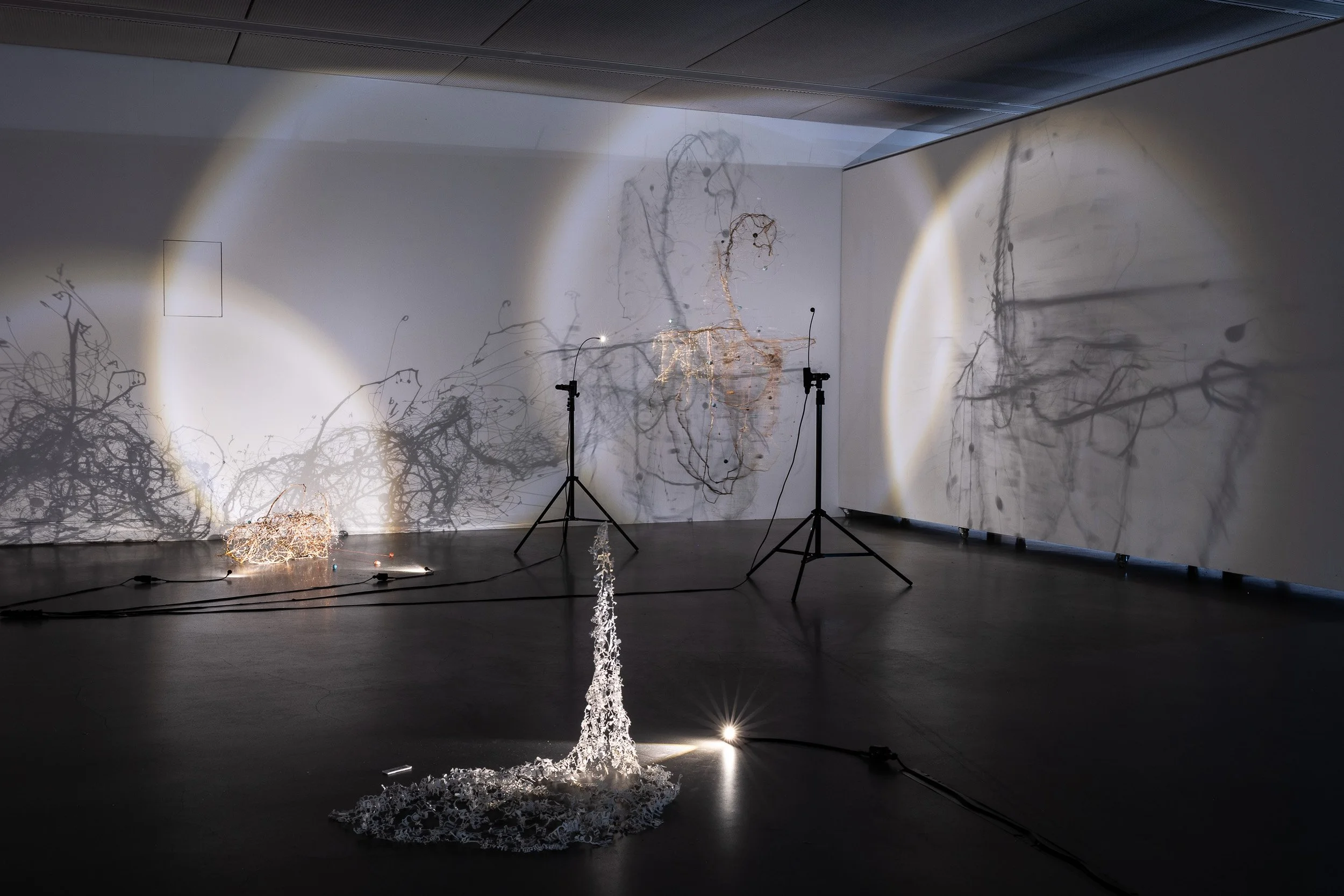
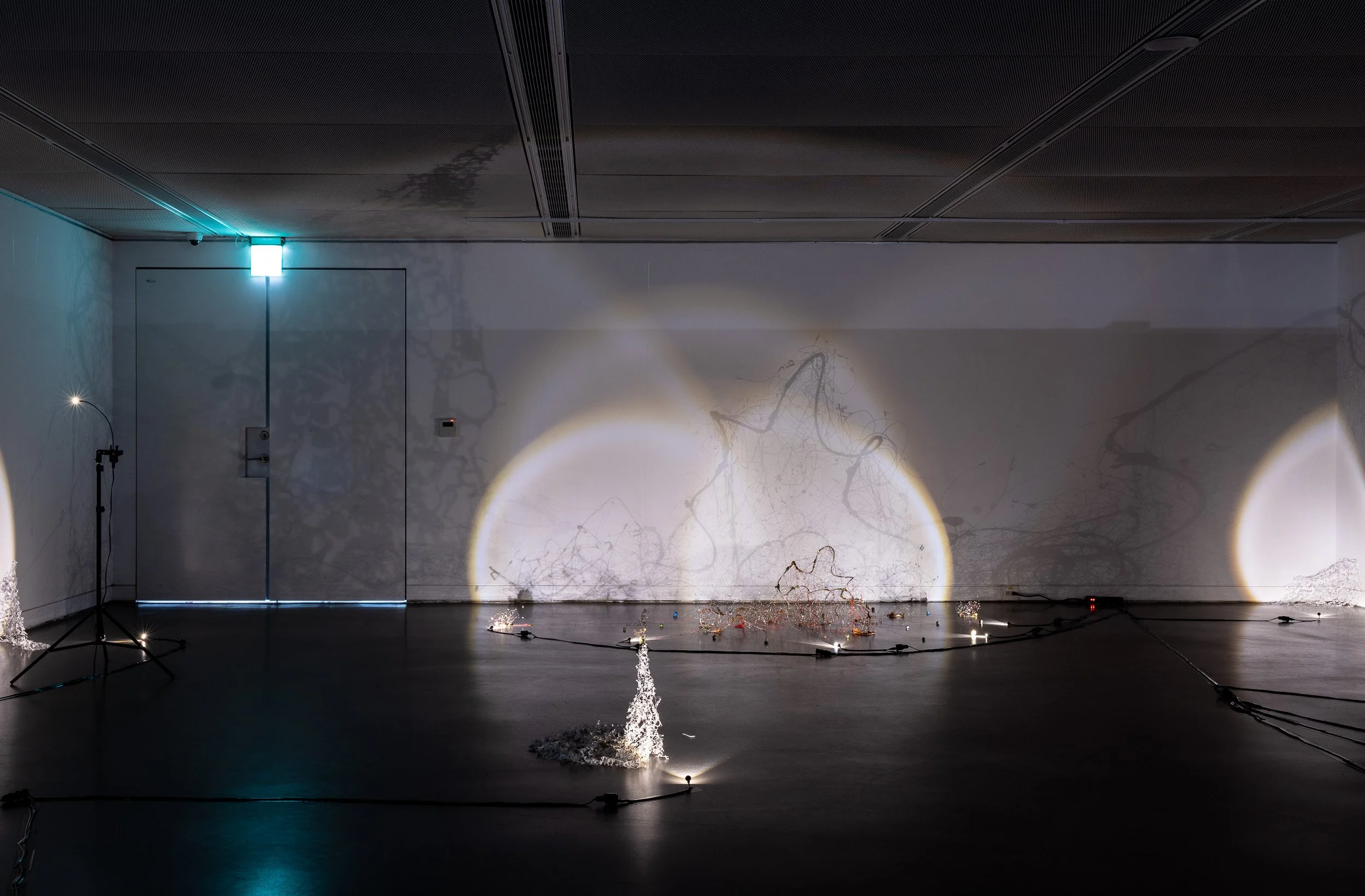
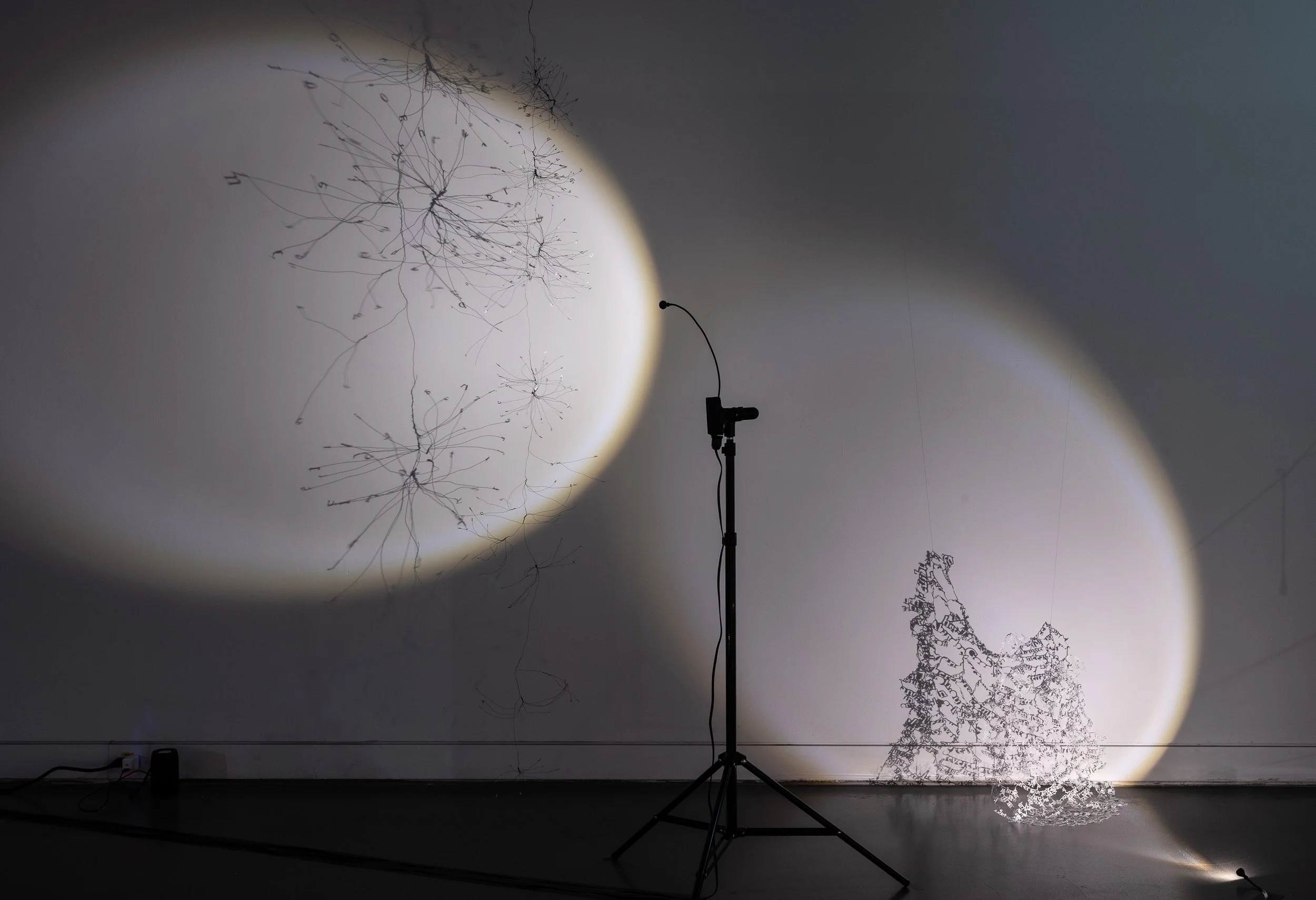
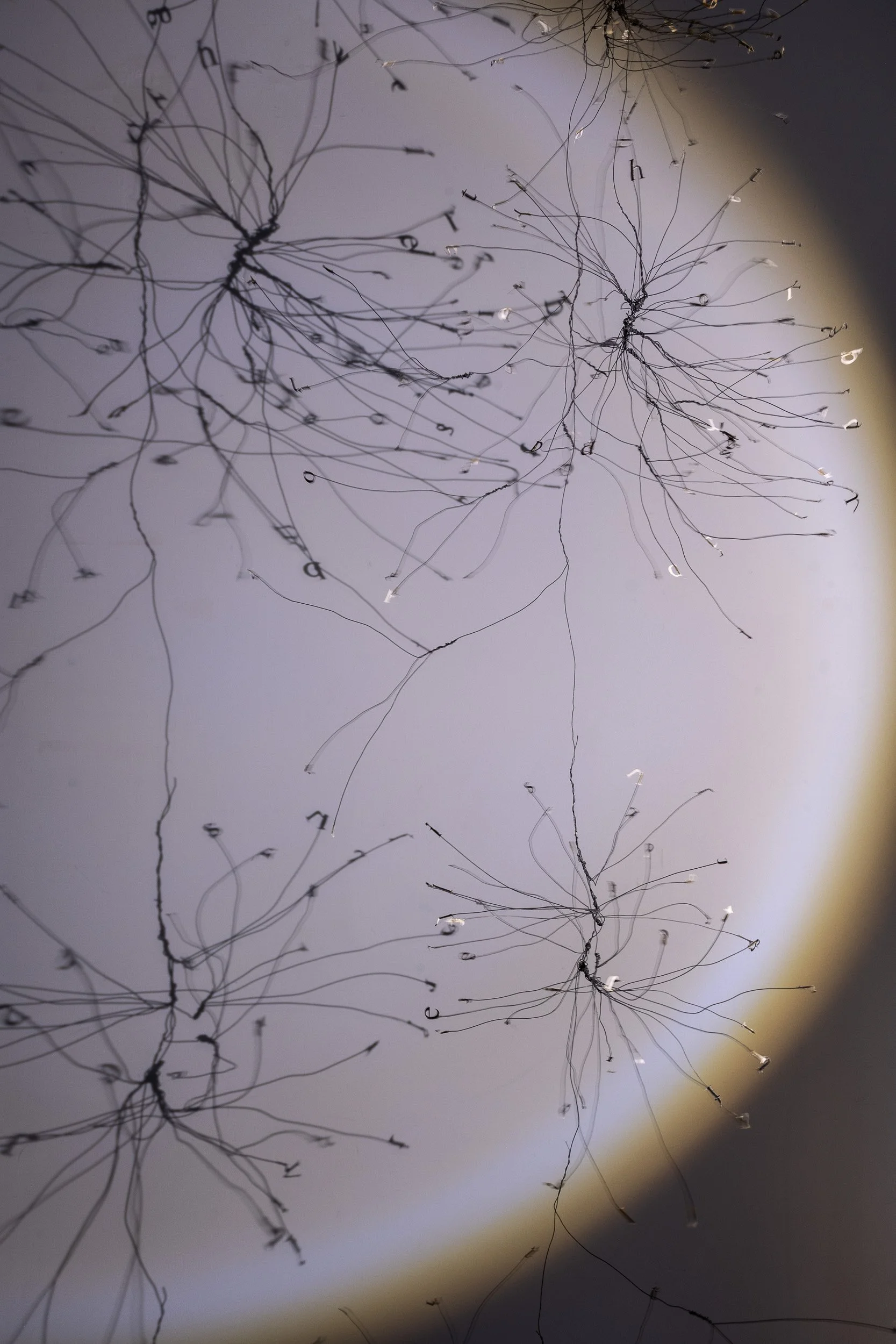
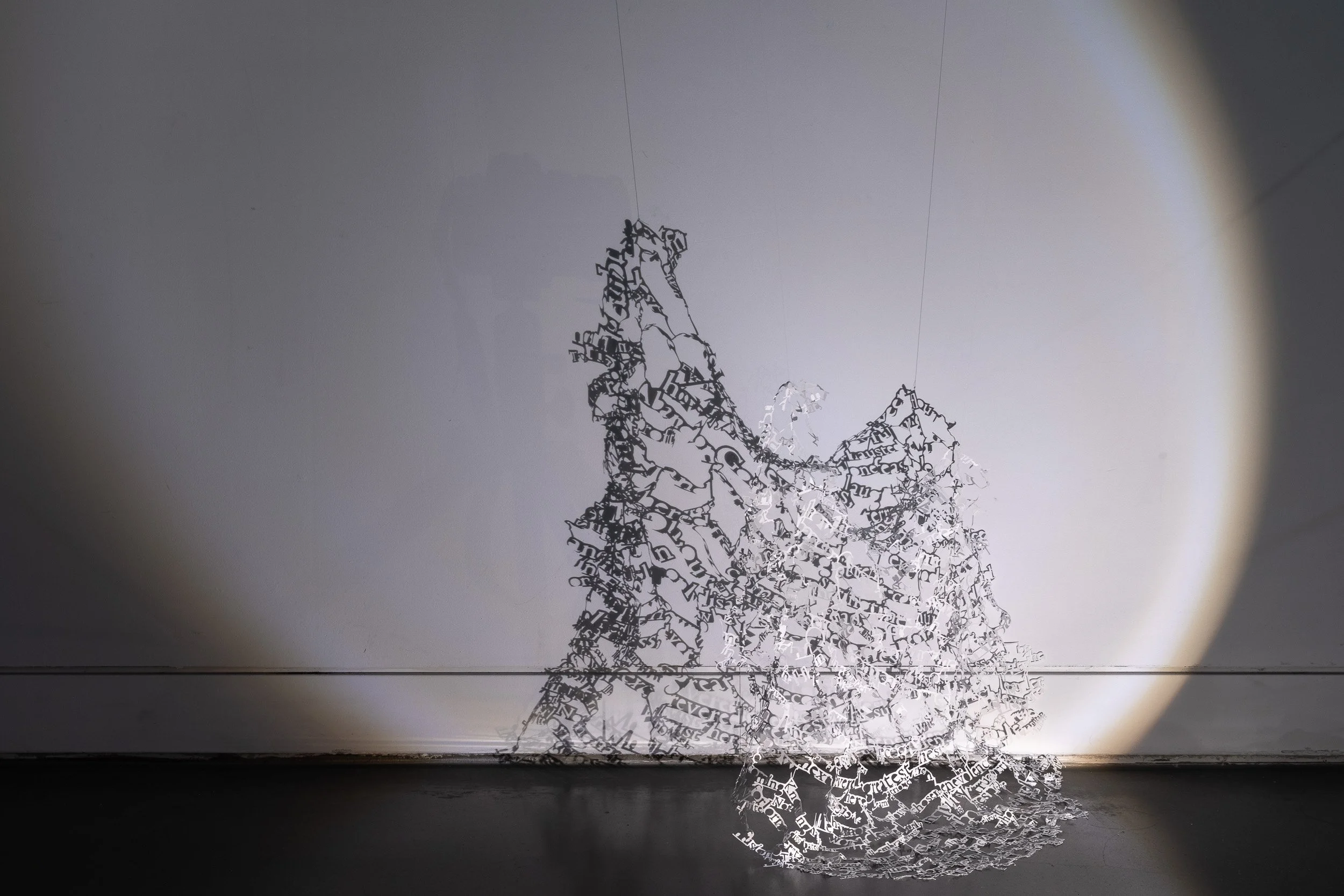
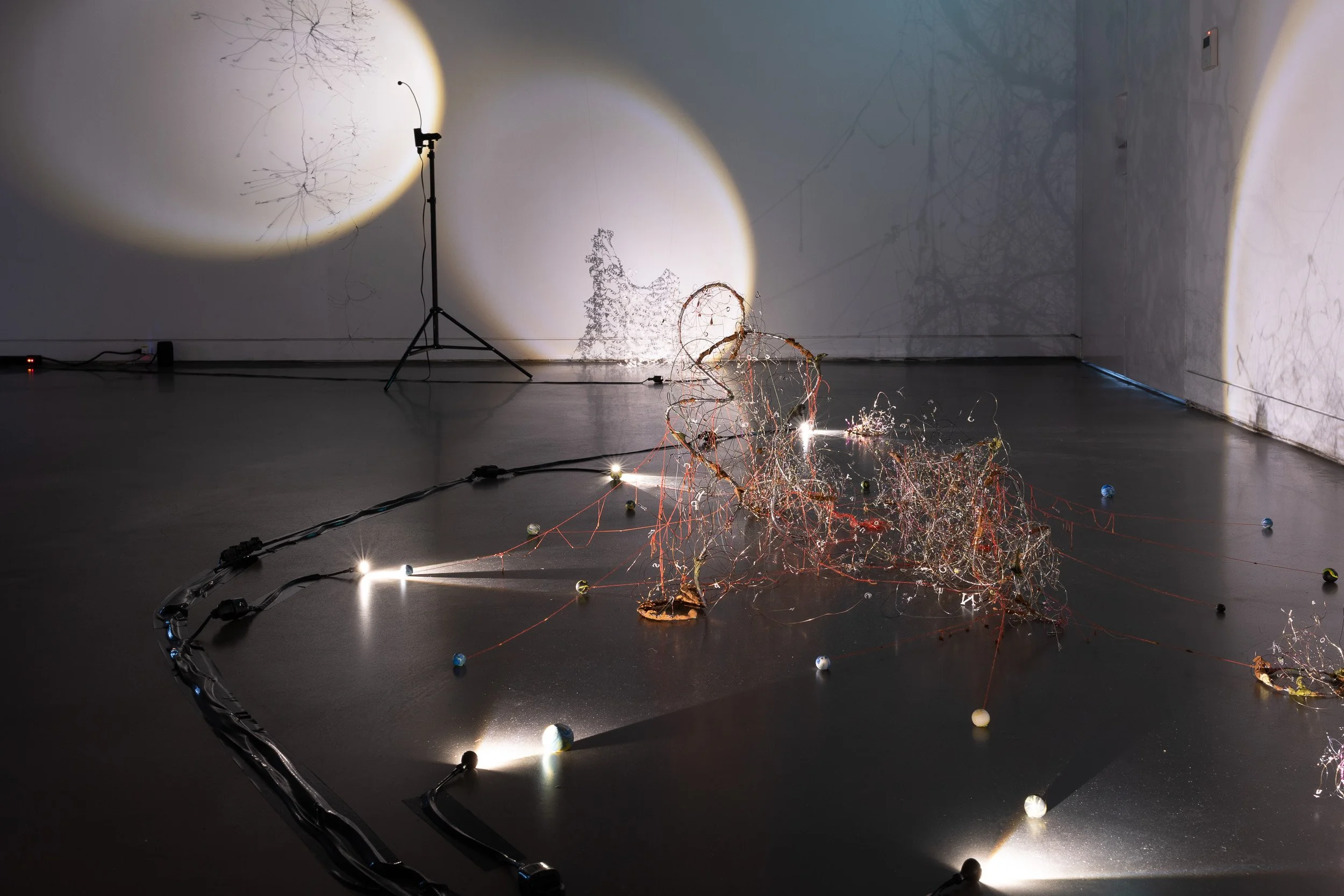
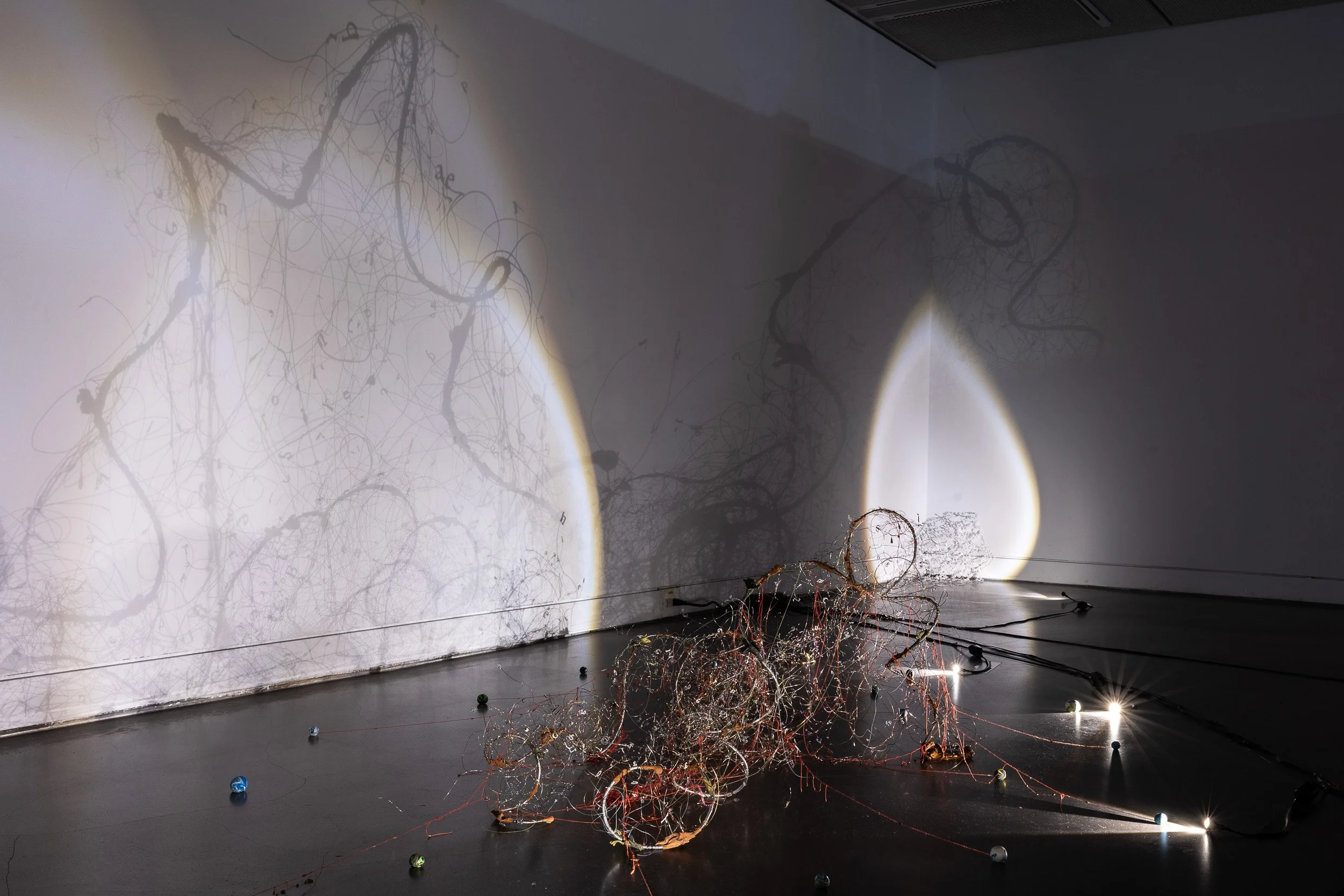
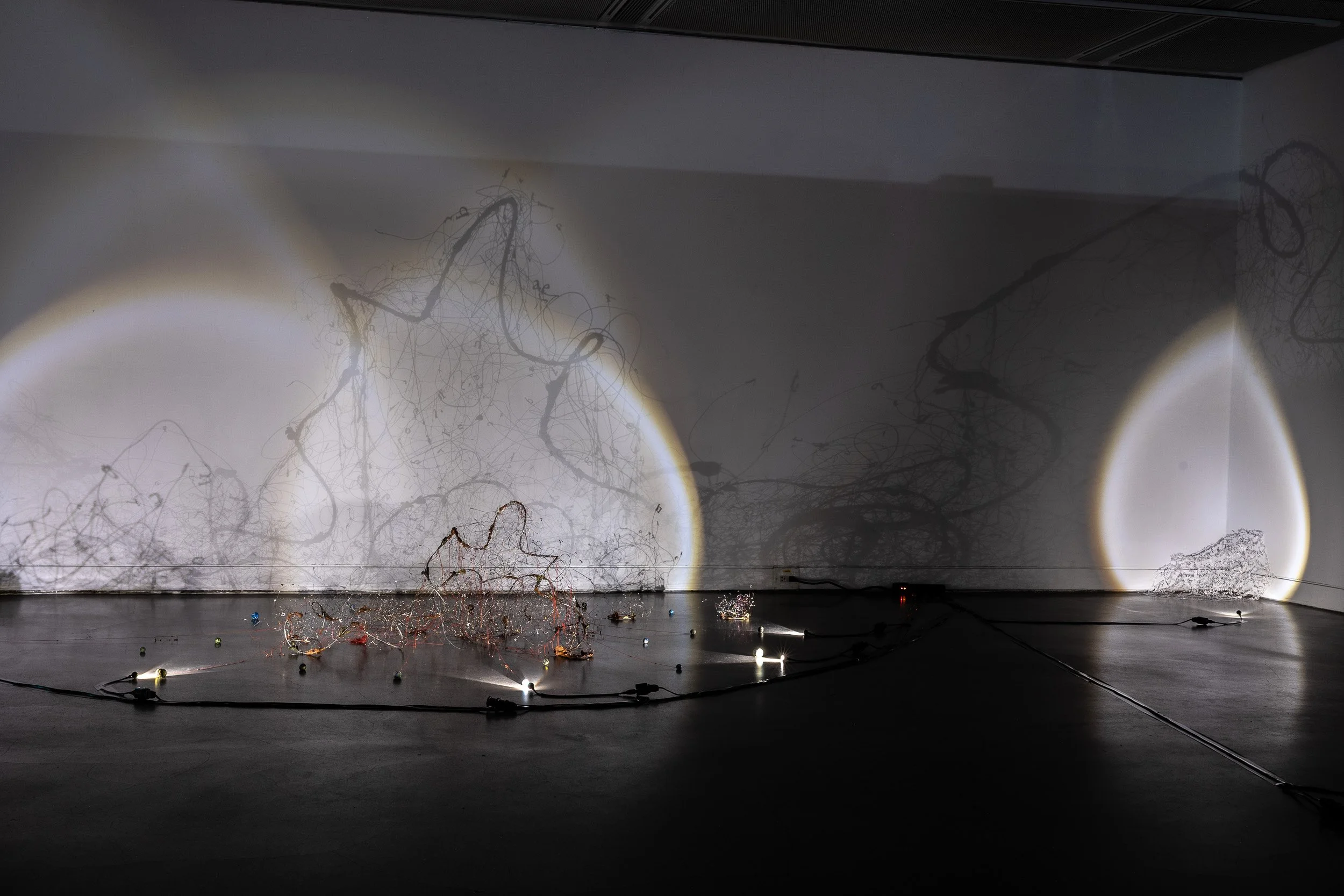
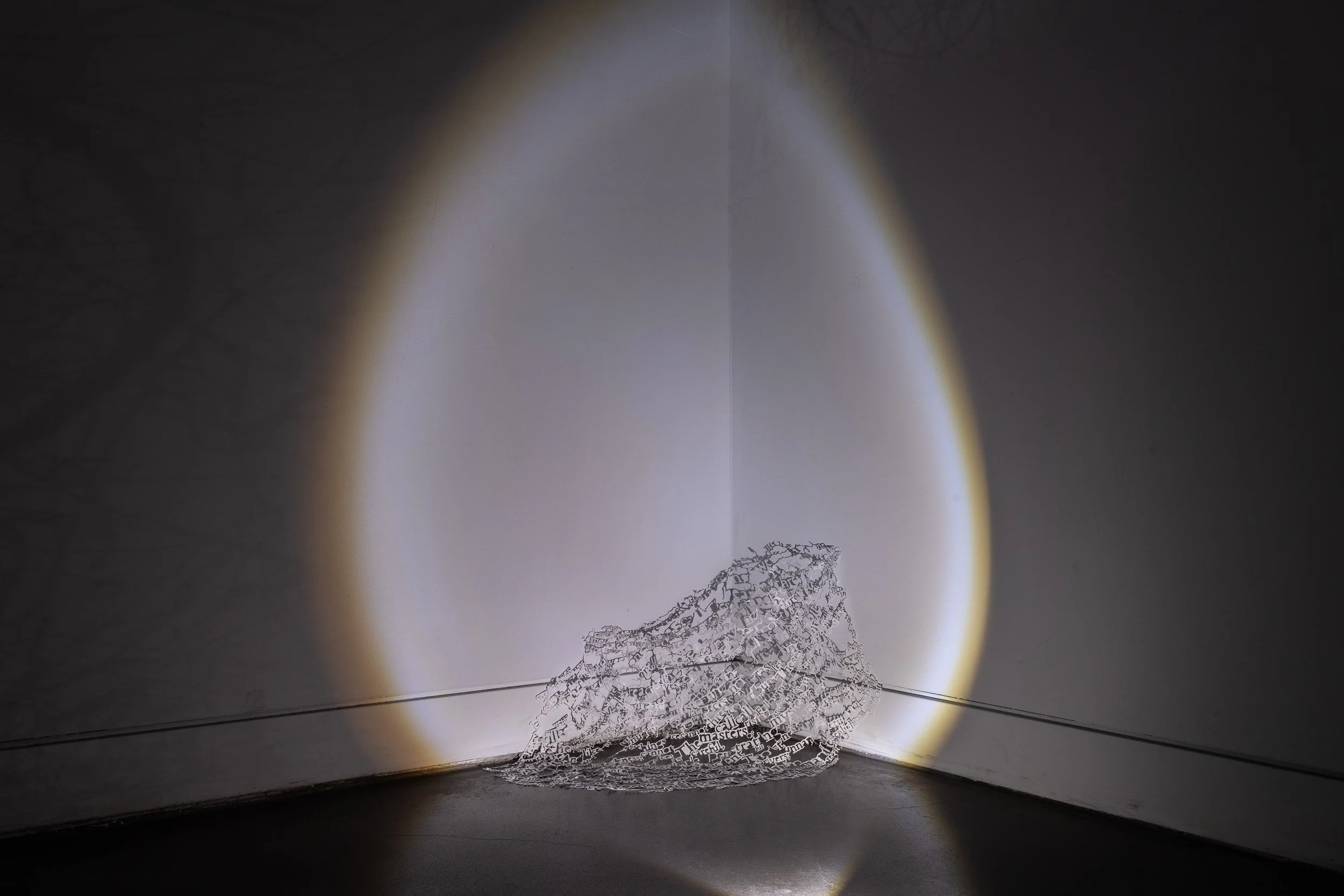
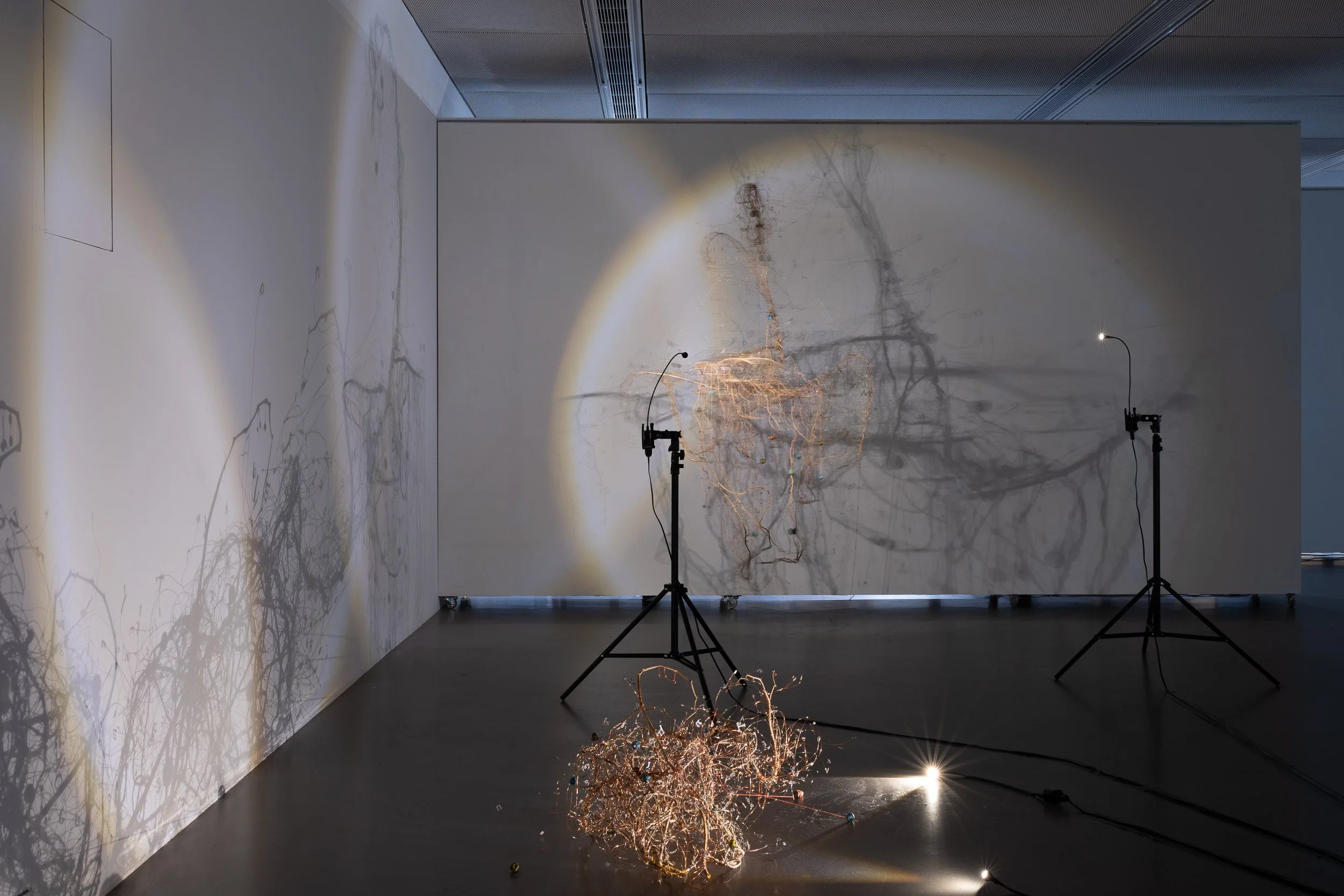
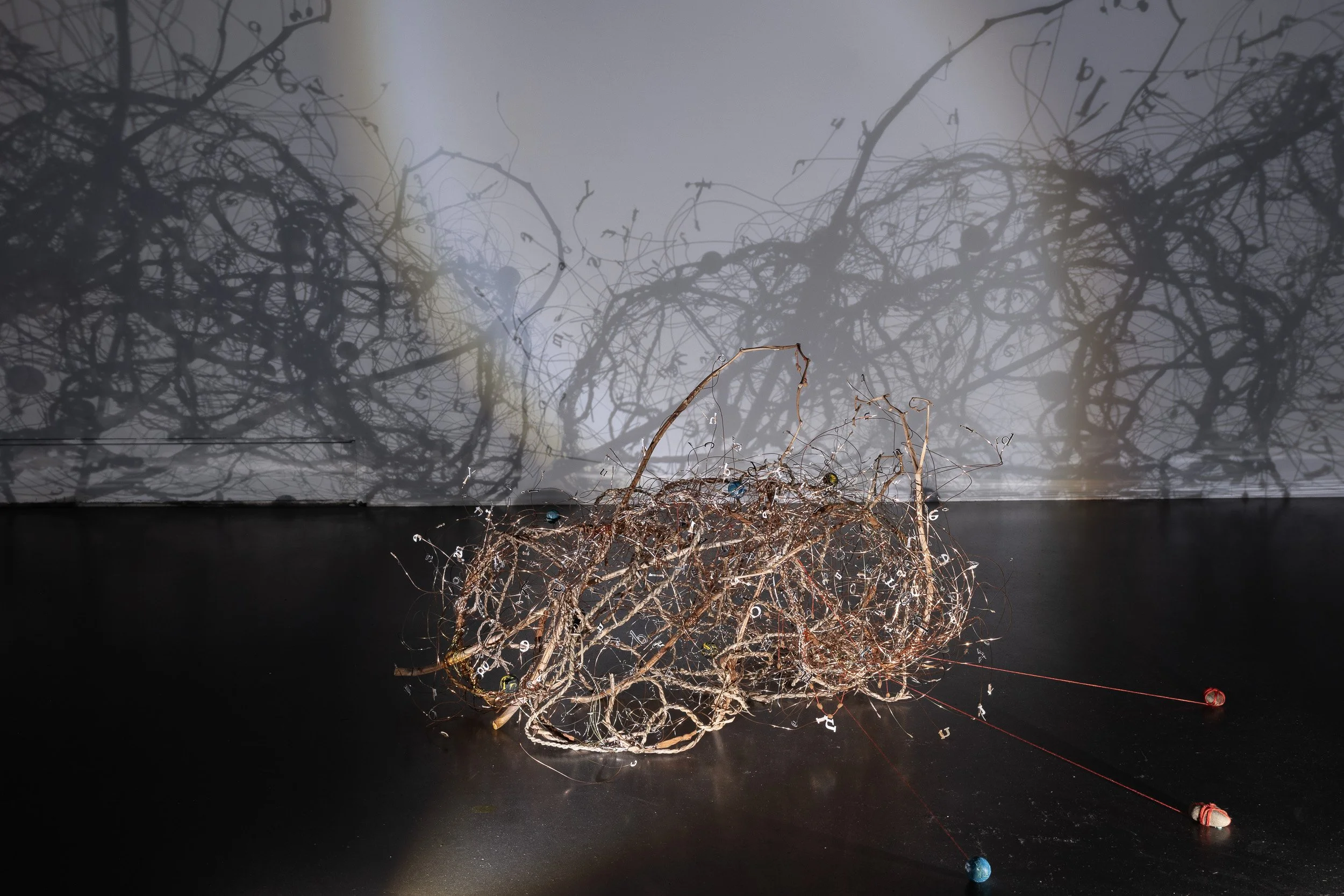
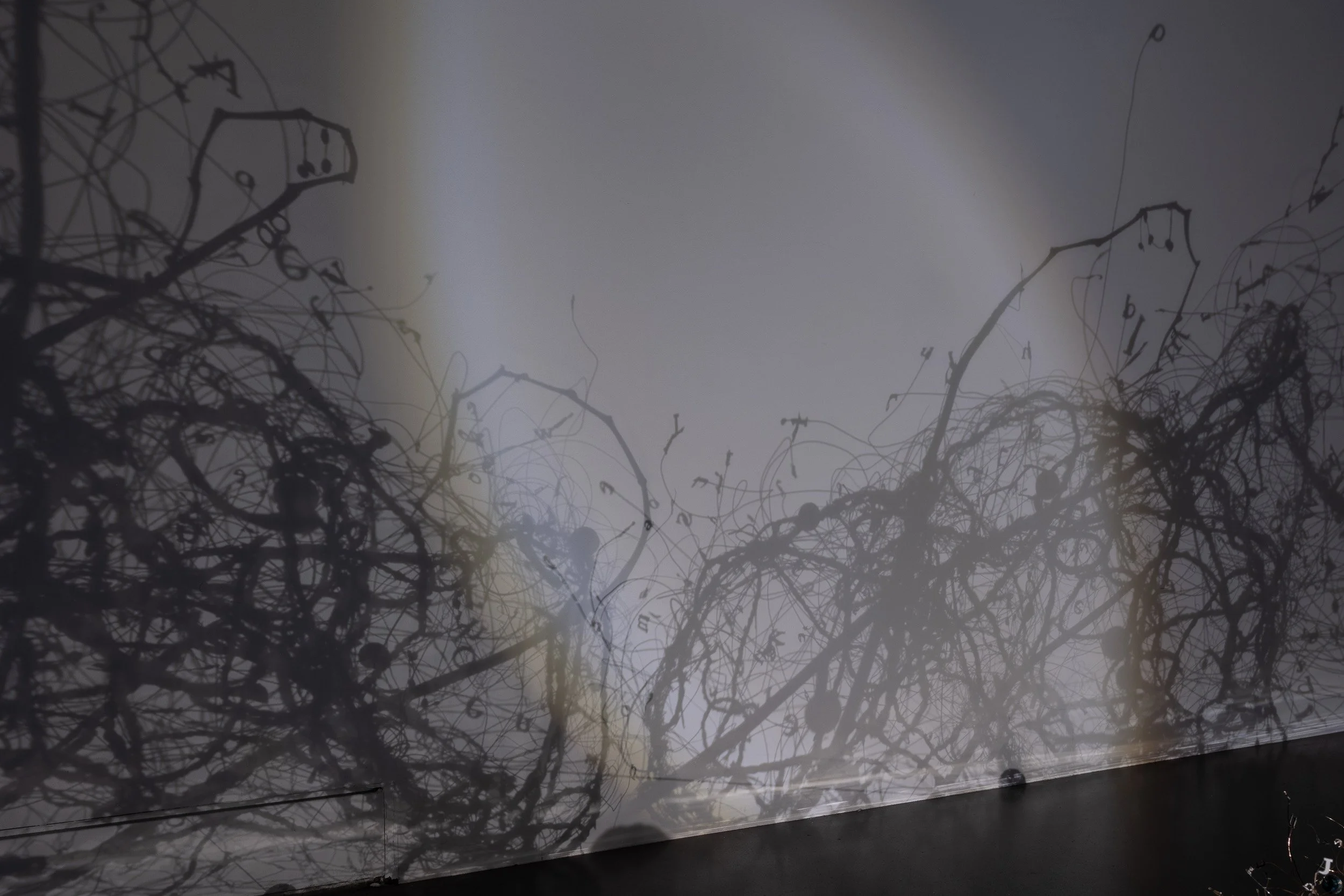
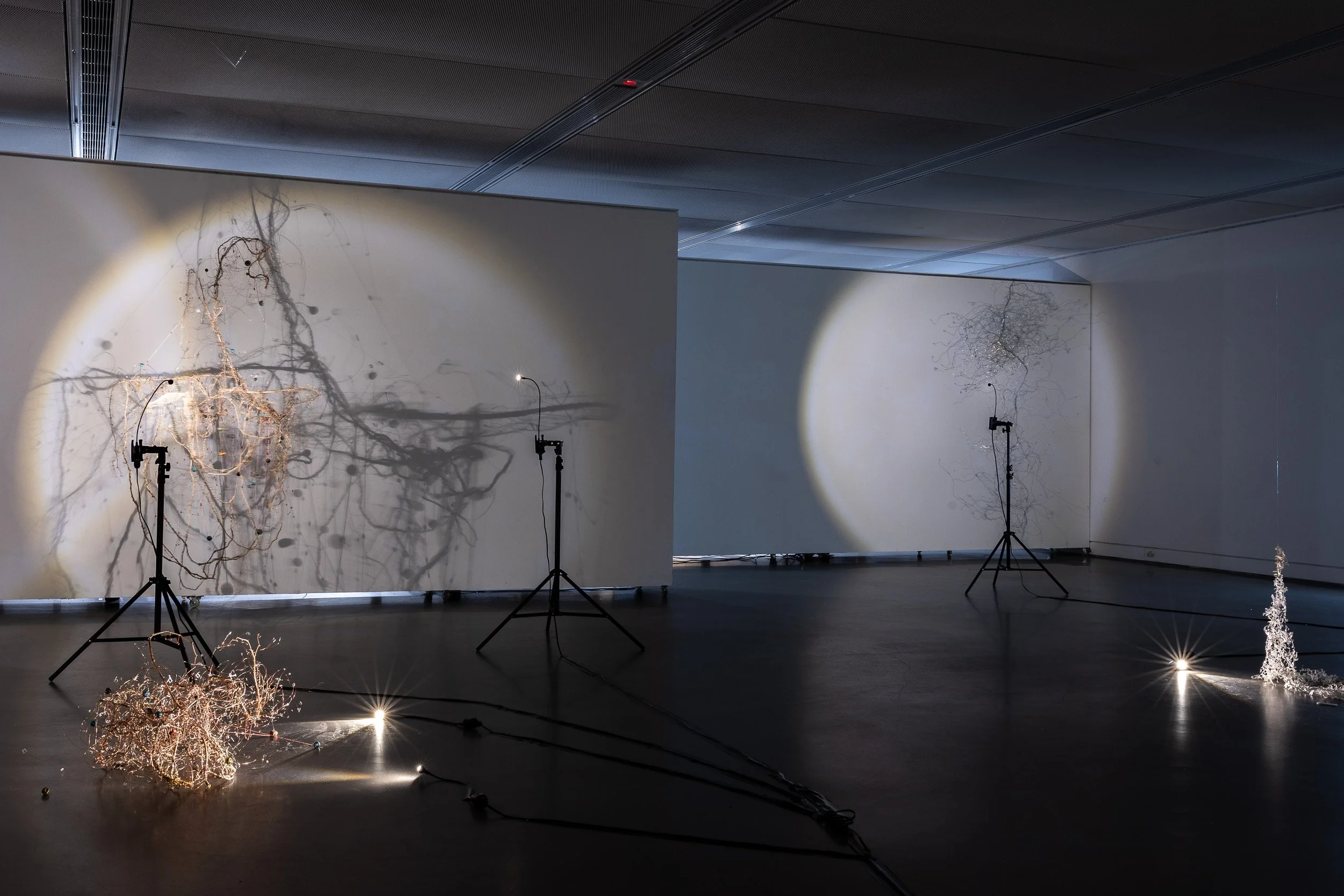
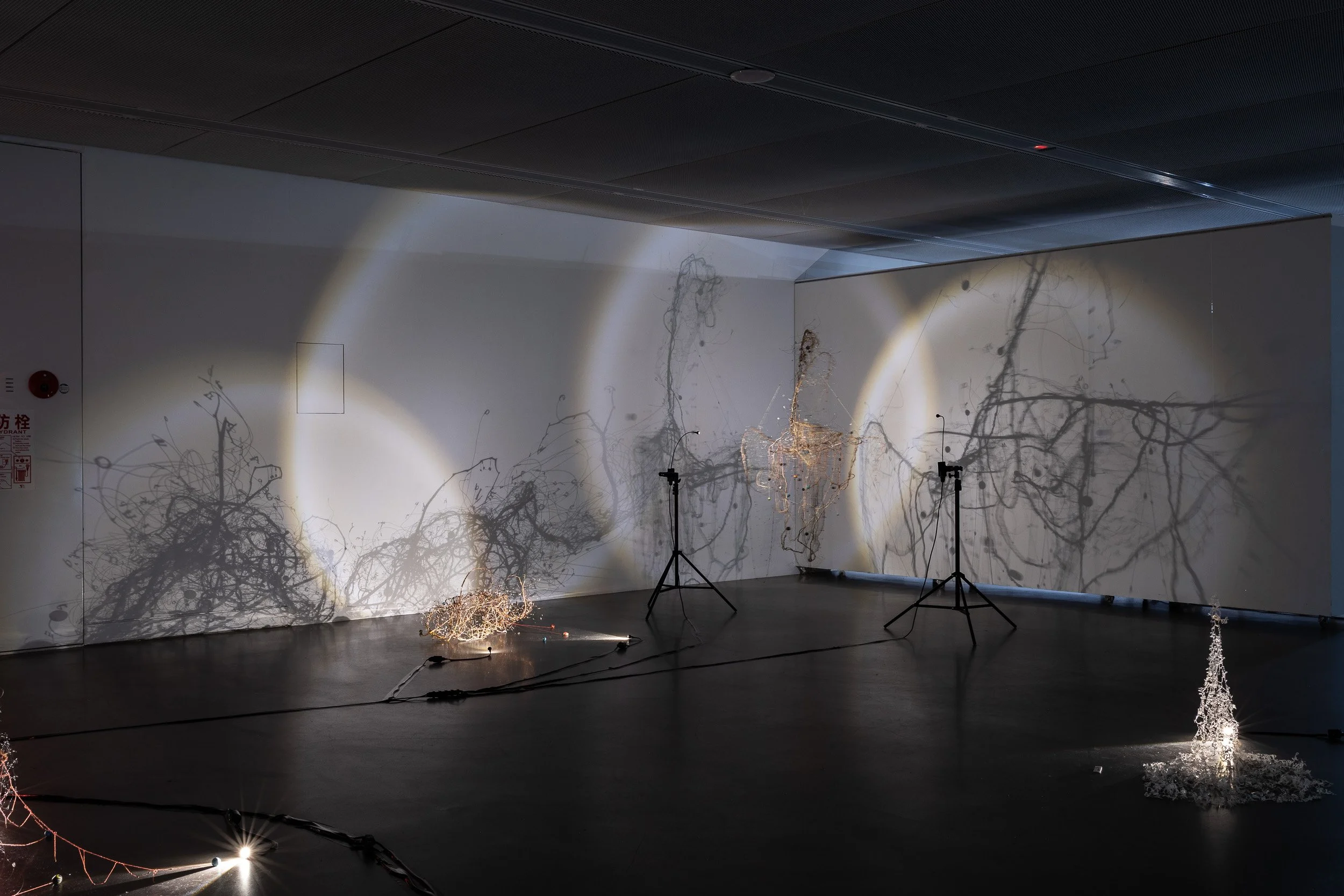
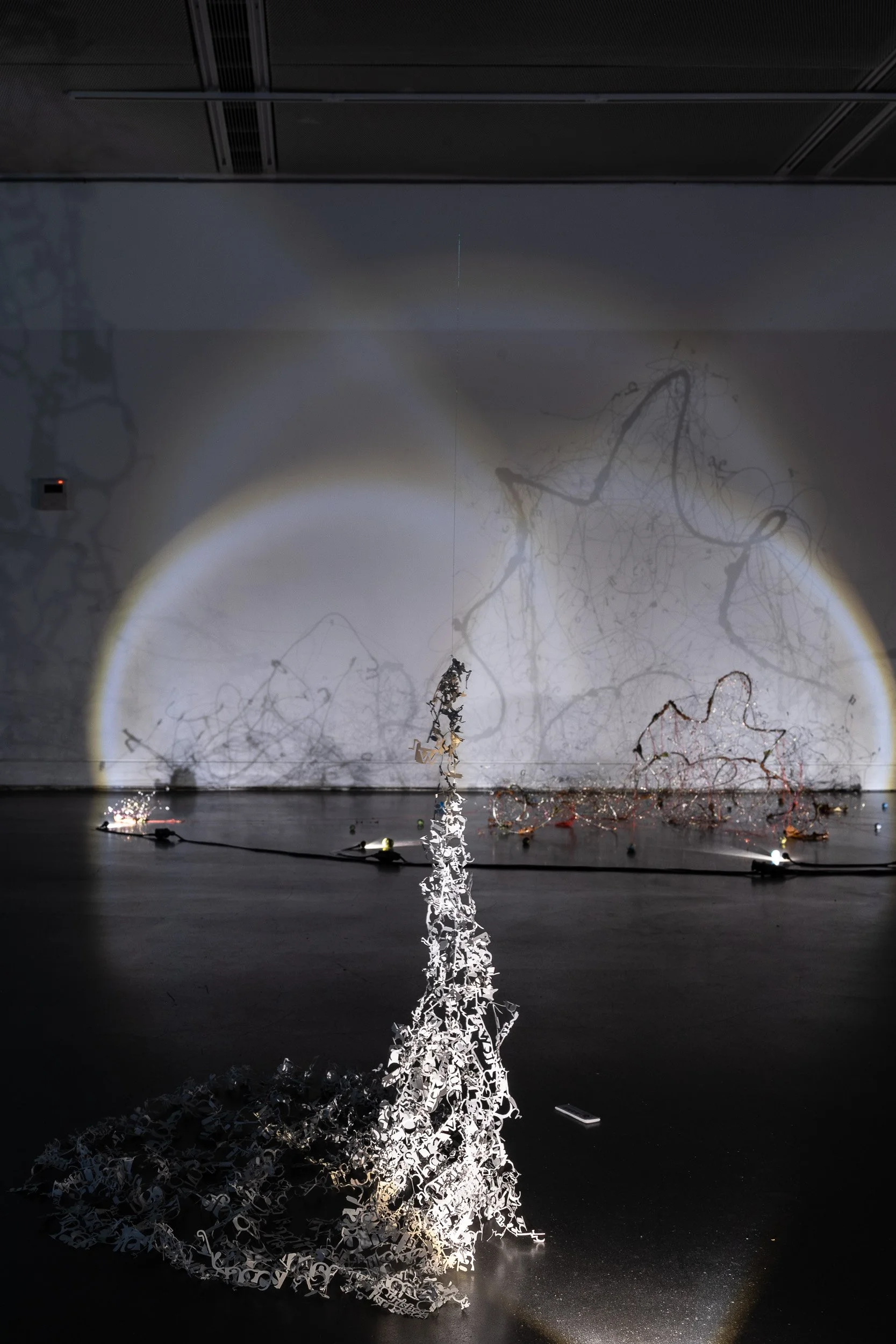
In his essay, In Praise of Shadows, Junichiro Tanizaki draws a contrast between the increasing illumination of the contemporary city and the shadow-filled rooms of older houses lit by the flickering lights of candles and lanterns. In the latter, the play of shadows produces spaces where imagination and speculation can exist.
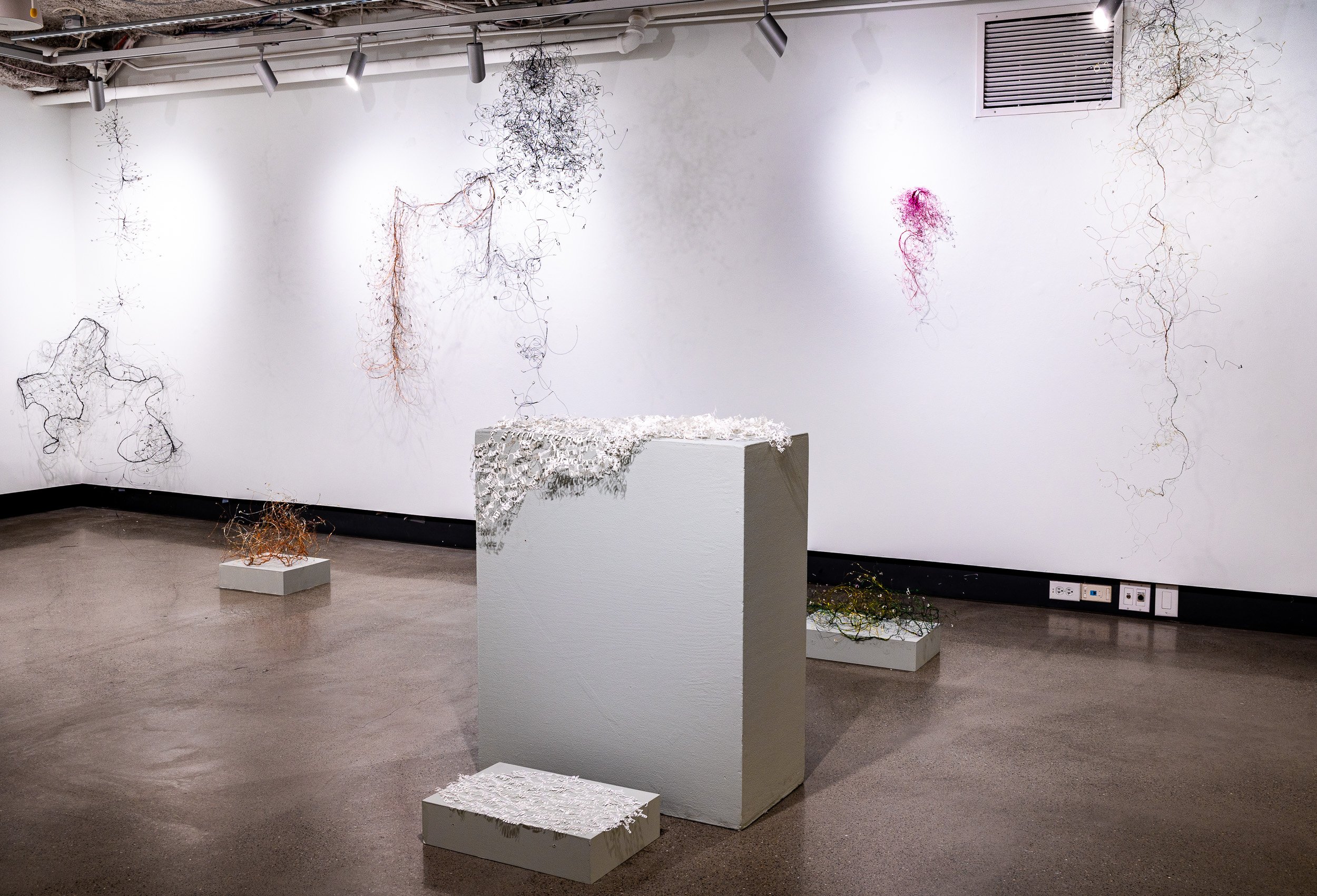
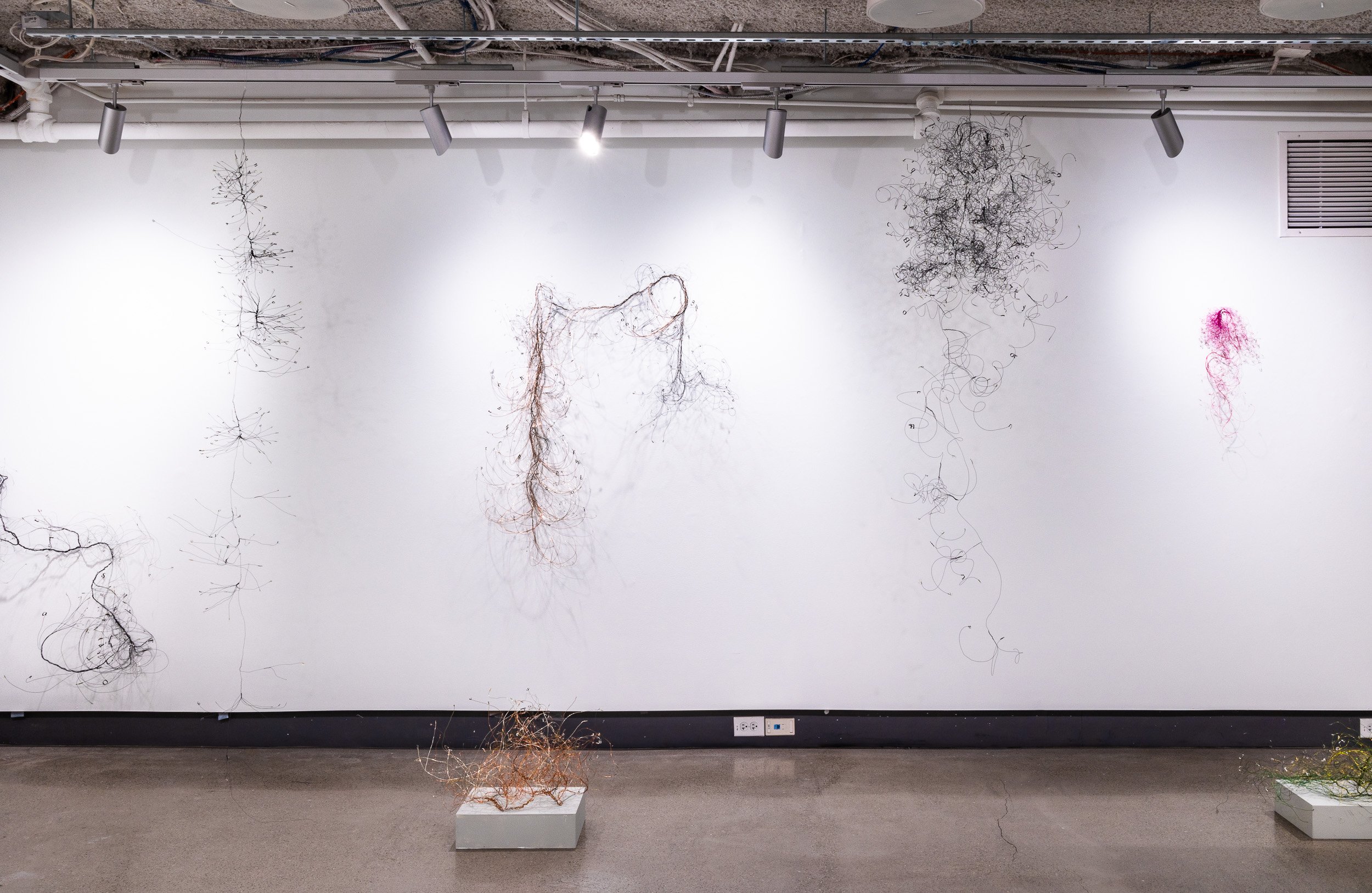
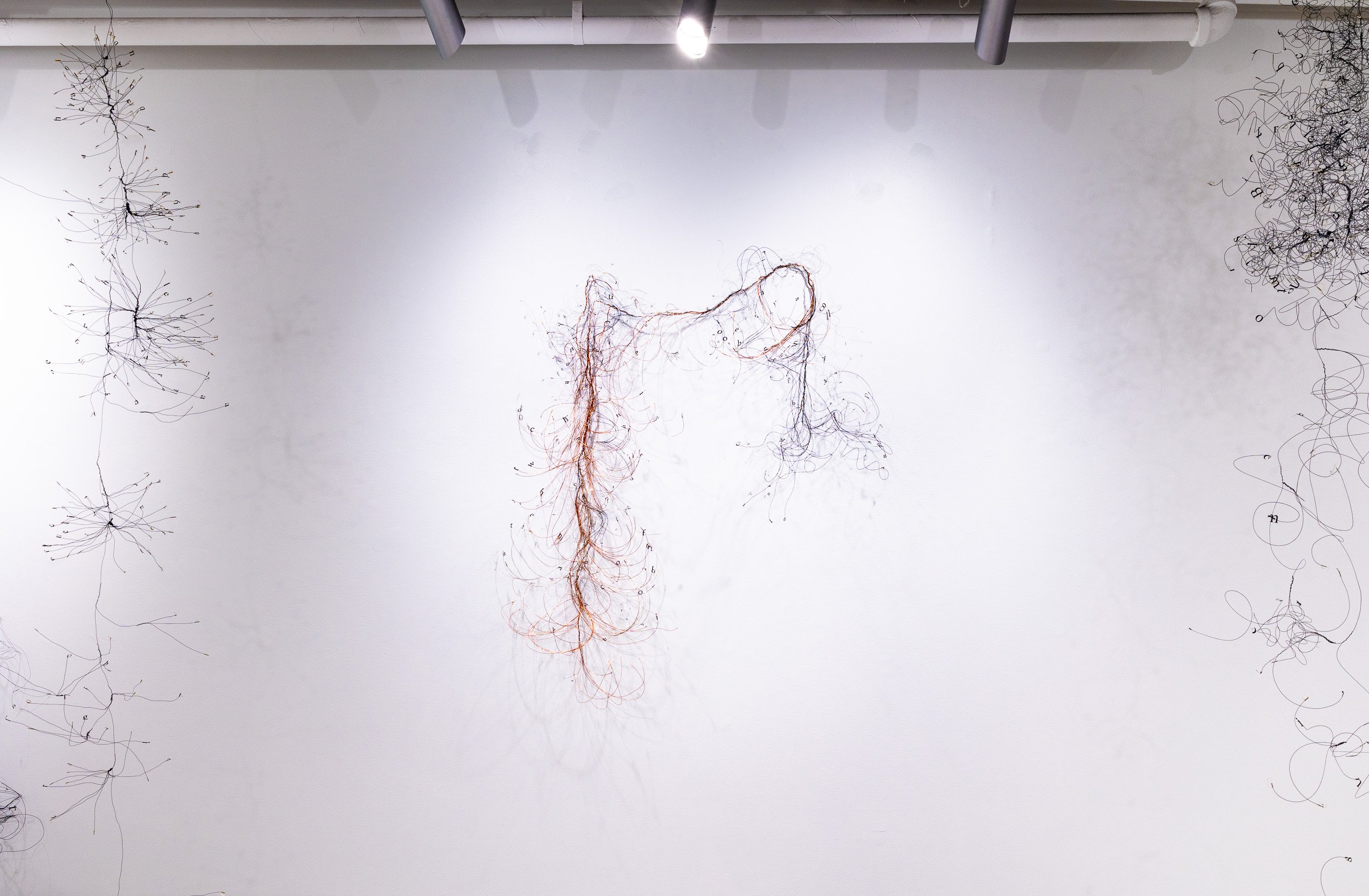
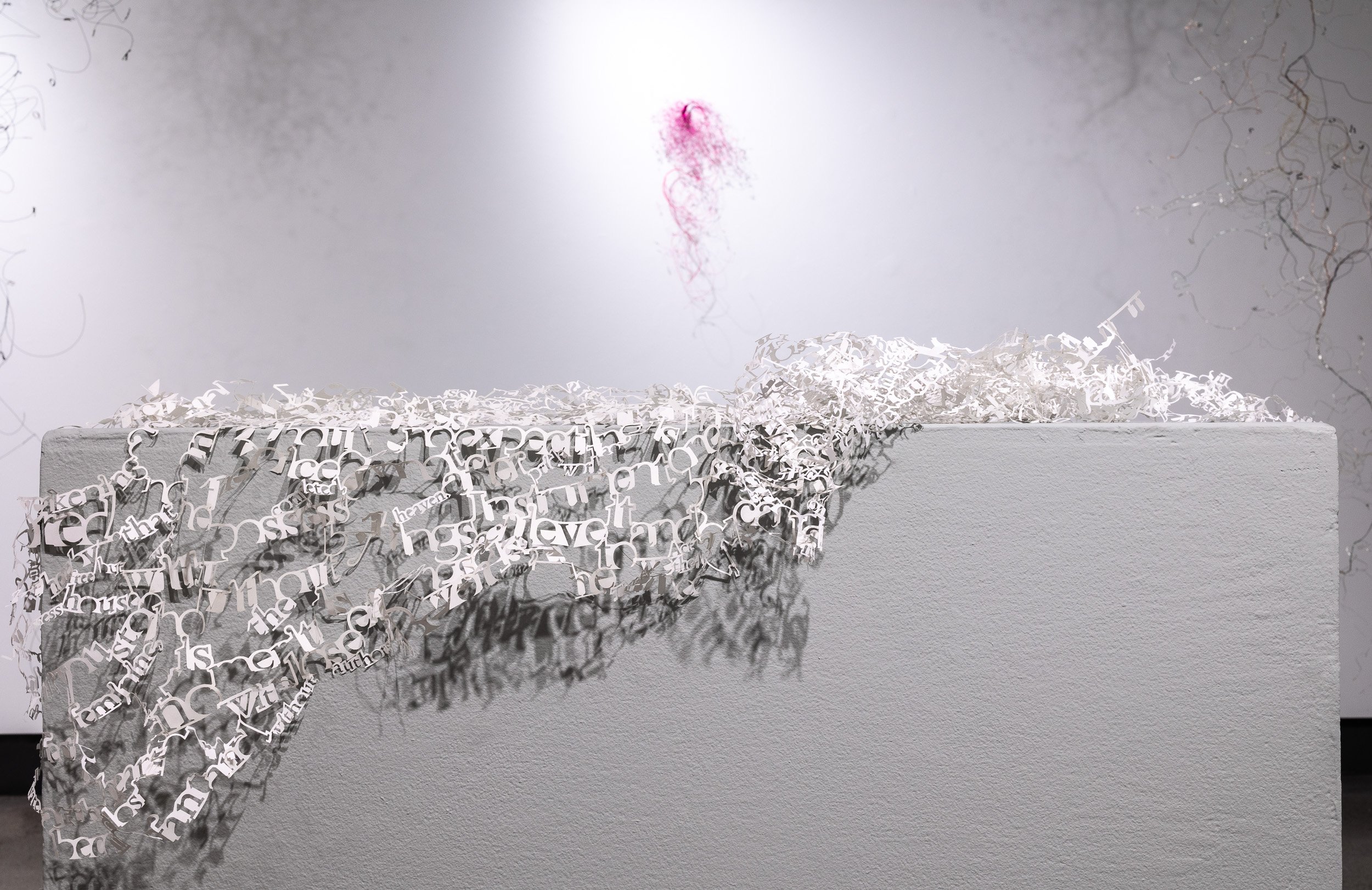
Shadowplay brings together the recent projects of three contemporary international artists currently working in Taiwan. In the first room, Tim Budden presents sculptures crafted from thick paper inspired by scholar rocks and the topography of Taiwan's northeast coast. In the second room, Duncan Mountford presents an installation of five cabinets and a book of drawings exploring concepts of perception, memory, and cognition. In the final room, Jocelyn Shu presents the latest works in her 81 Chapters series of sculptures created with hand-cut text from translated chapters of the Dao De Jing 道德經. Viewed through their shadows, the details of these intricate works are magnified—simultaneously immersing and interacting with the space and viewer.
在《陰翳禮讚》一文中,谷崎潤一郎將現代城市中無處不在的強烈照明,對比於老屋燭火下的陰影空間。在後者之中,流動的光影創造出可供想像與沉思的場域。
《影戲》匯集三位當代國際藝術家近期於台灣的創作計畫。第一展間,Tim Budden 以厚紙製作雕塑,靈感來自太湖石與台灣東北角地形。第二展間,Duncan Mountford 呈現五組櫃體裝置與一本素描集,探索感知、記憶與認知等議題。最後一間,舒琮維(Jocelyn Shu) 展出其《八十一章》系列新作,運用手工剪下之英譯《道德經》章節文字製成雕塑。當這些細緻的作品透過投影觀賞時,細節被放大,作品本身與空間及觀者產生互動並相互沉浸。
Origins 原点
Solo show at gallery Unfold, Kyoto, Japan (2025)
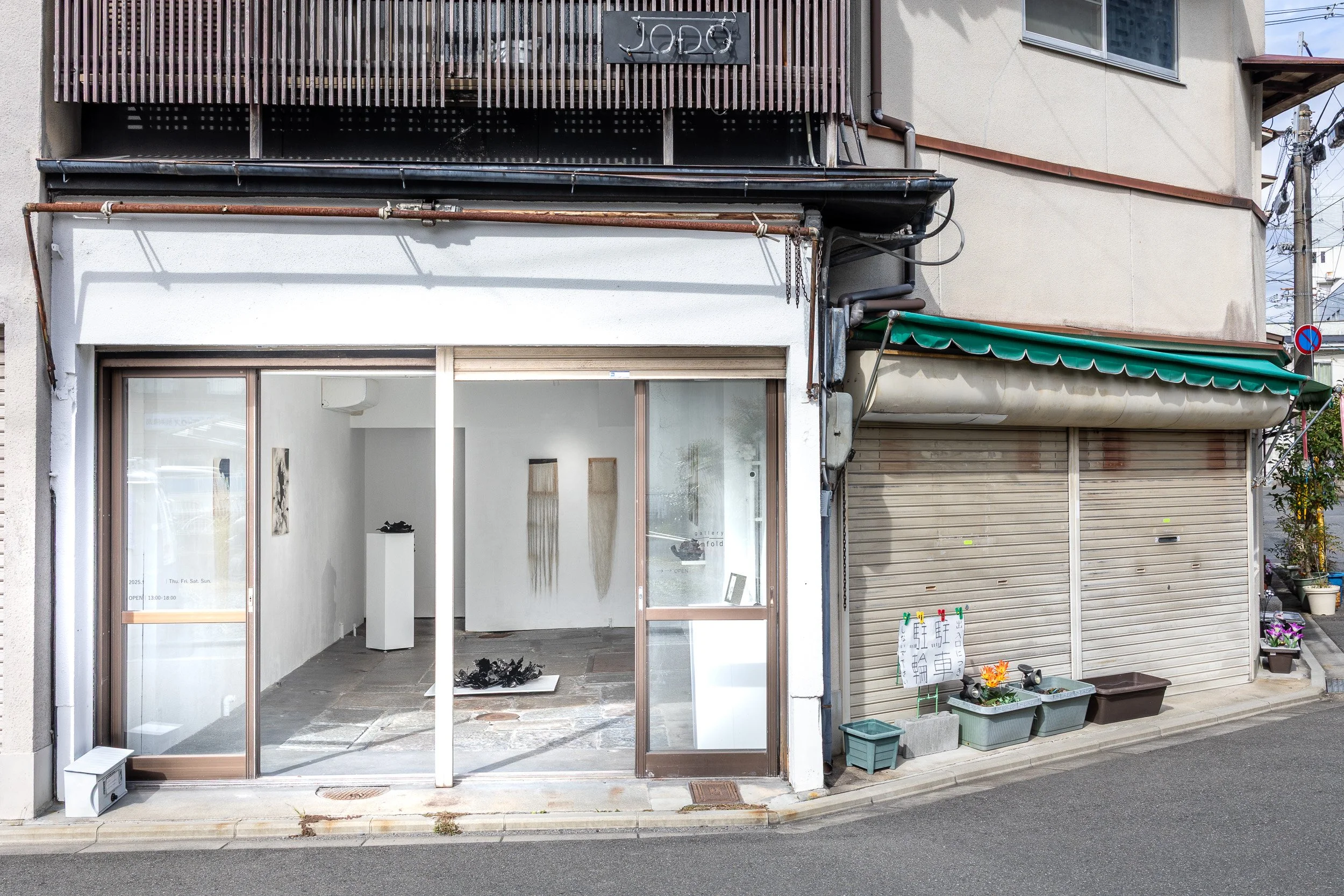
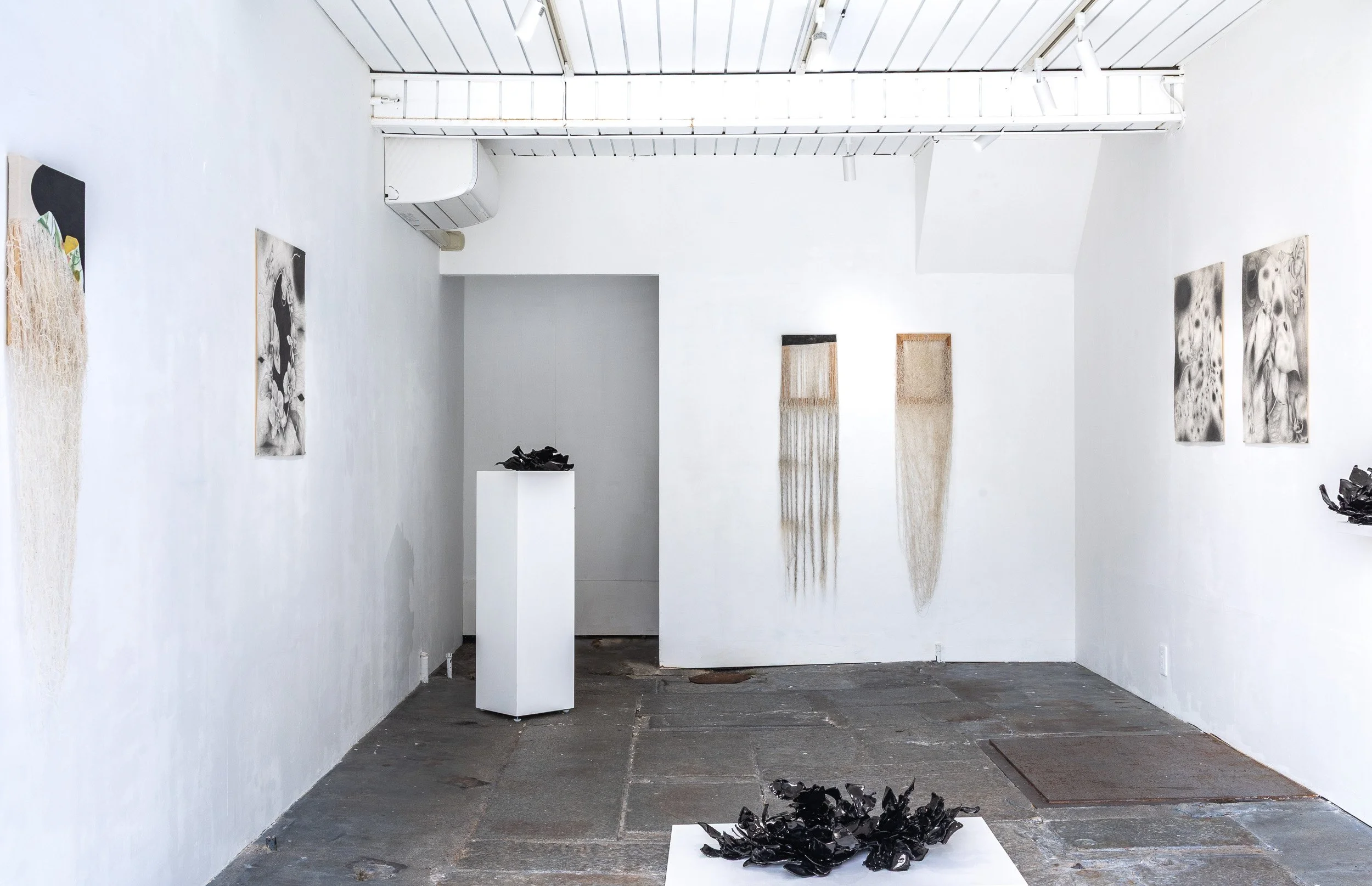
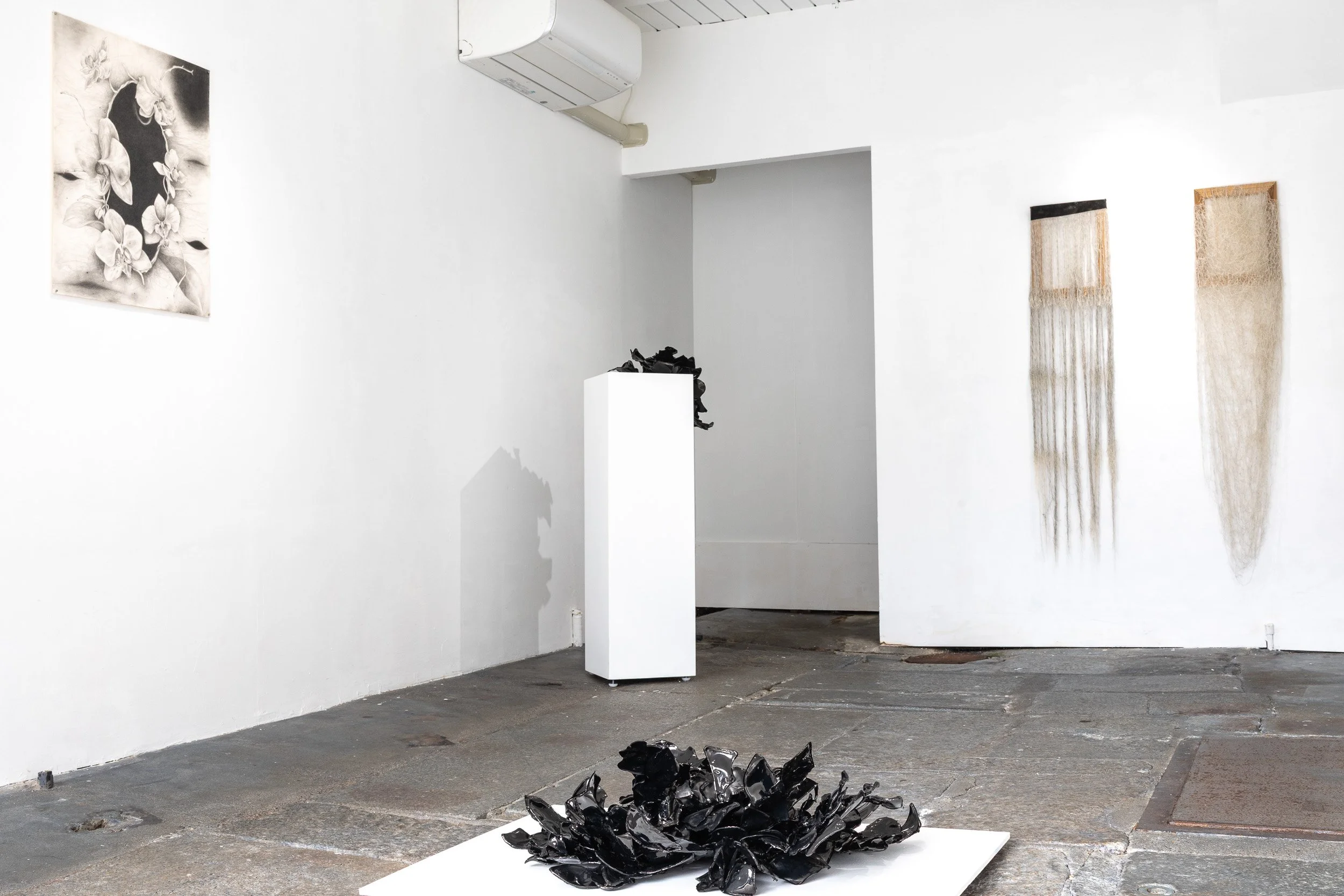
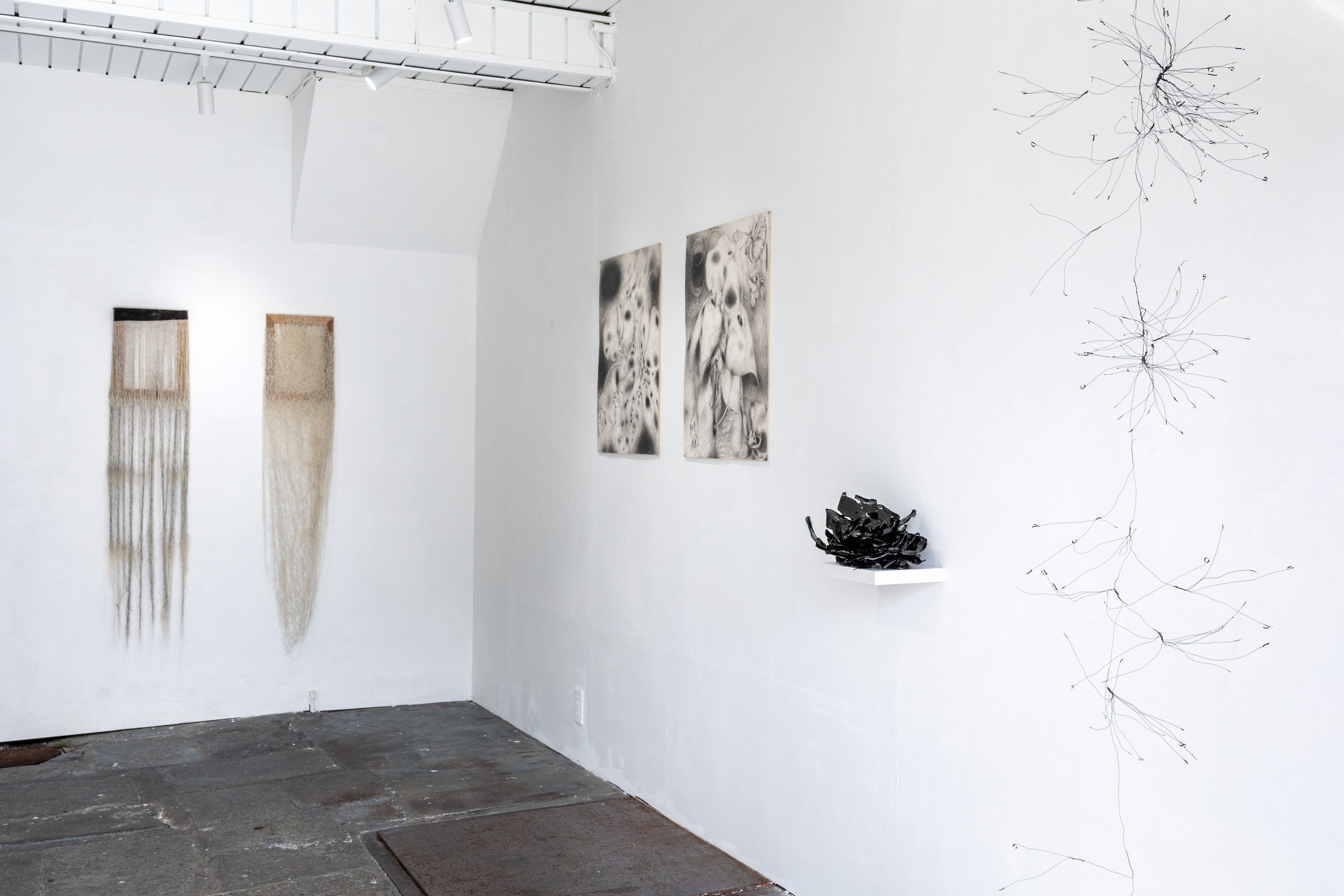
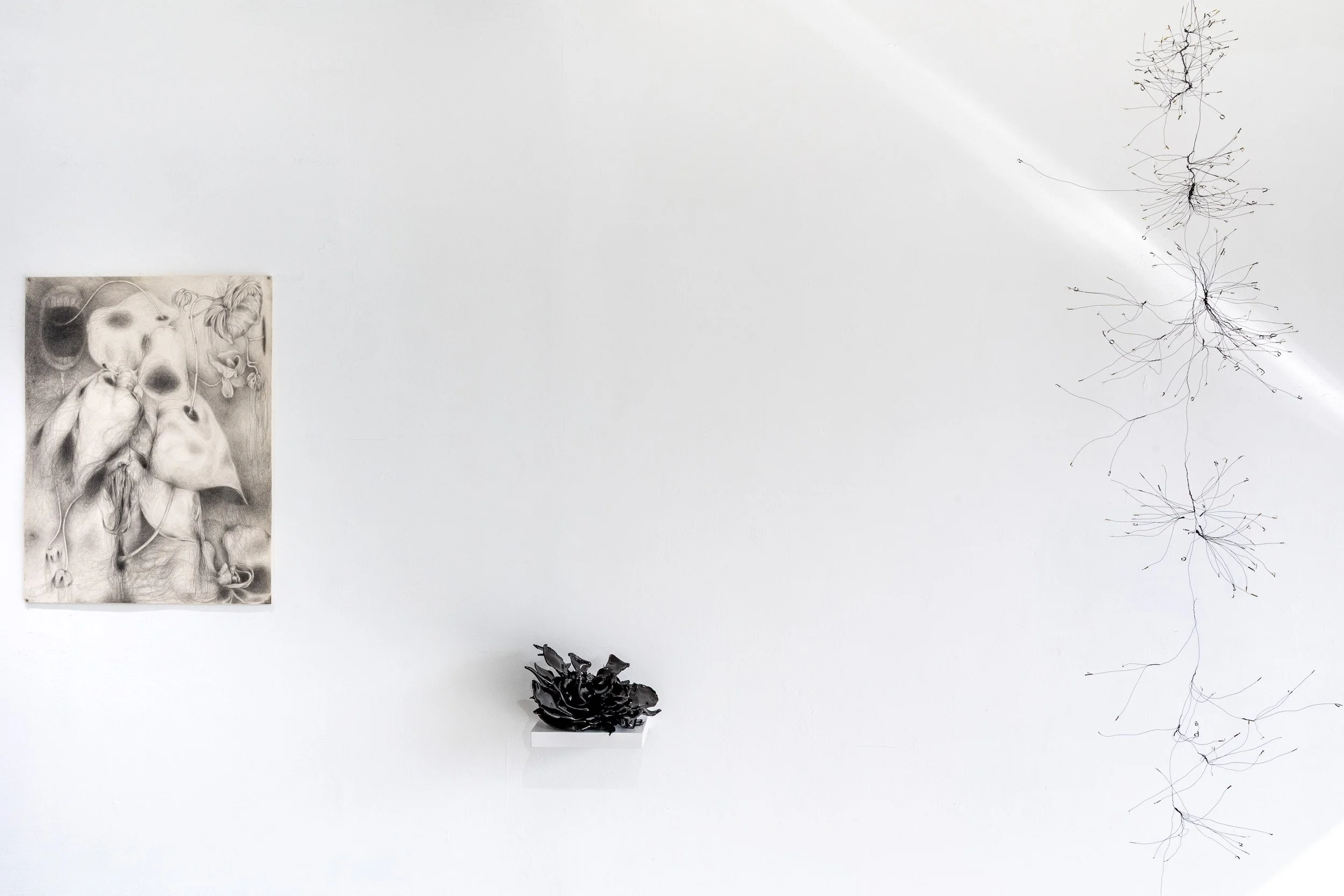
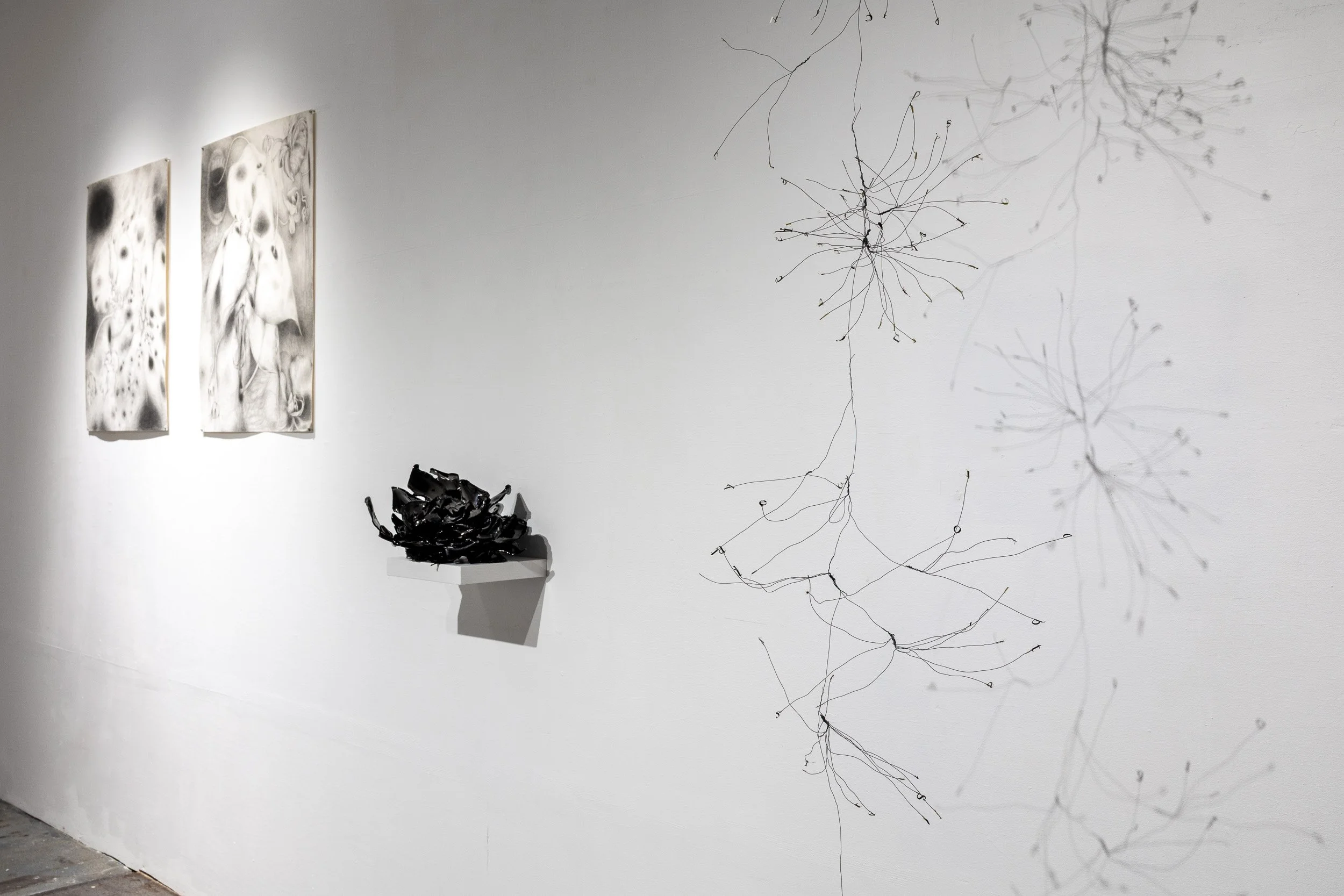
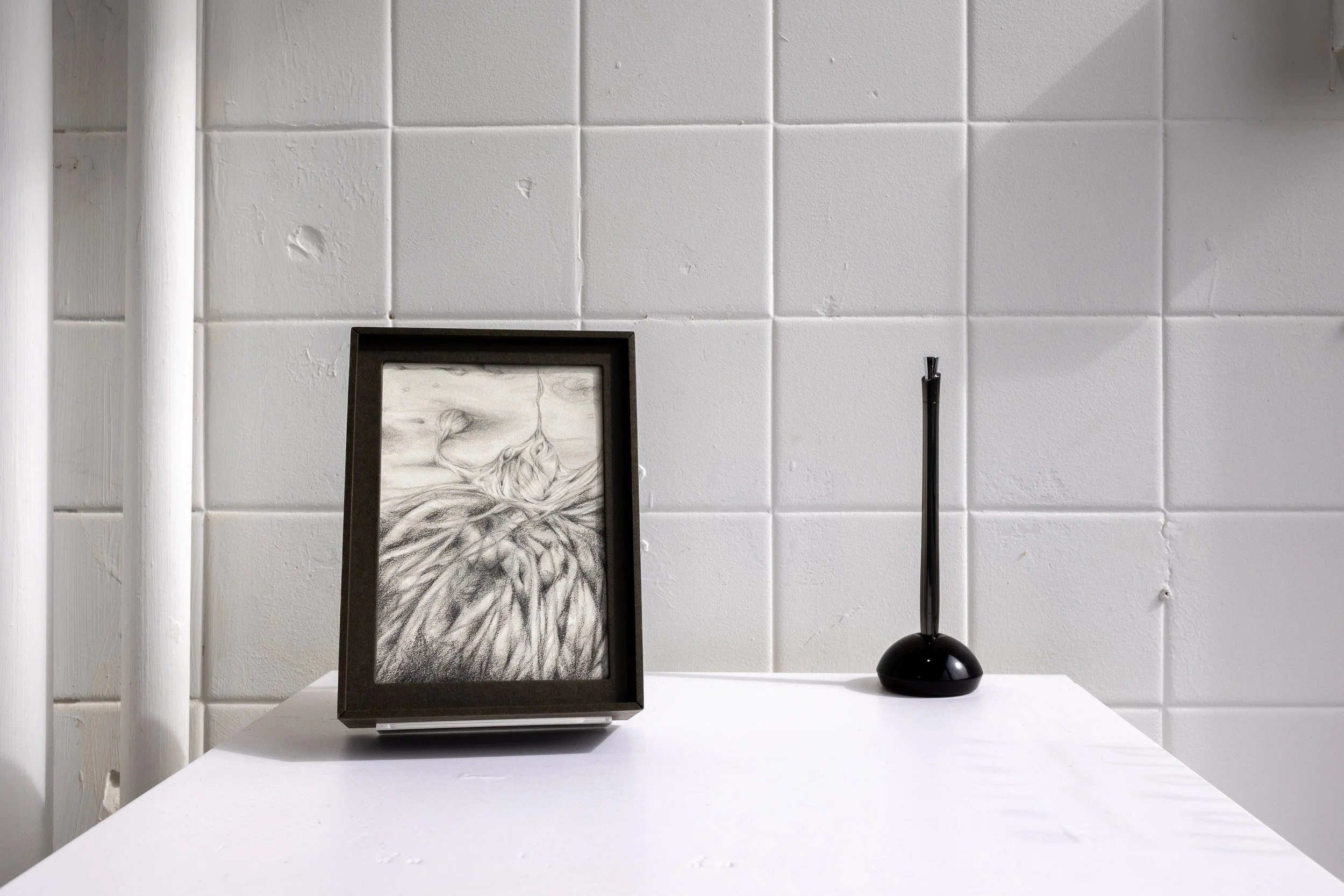
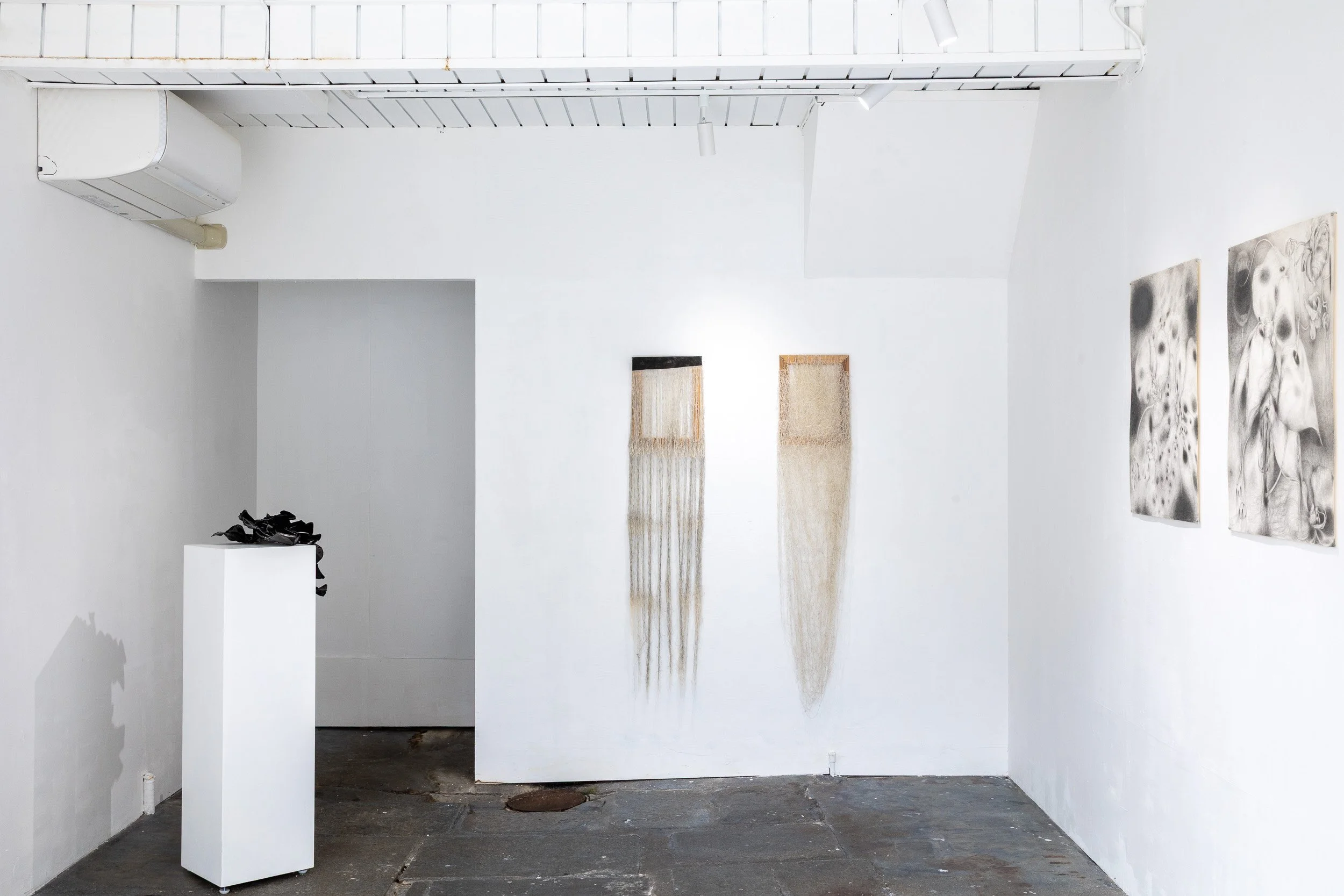
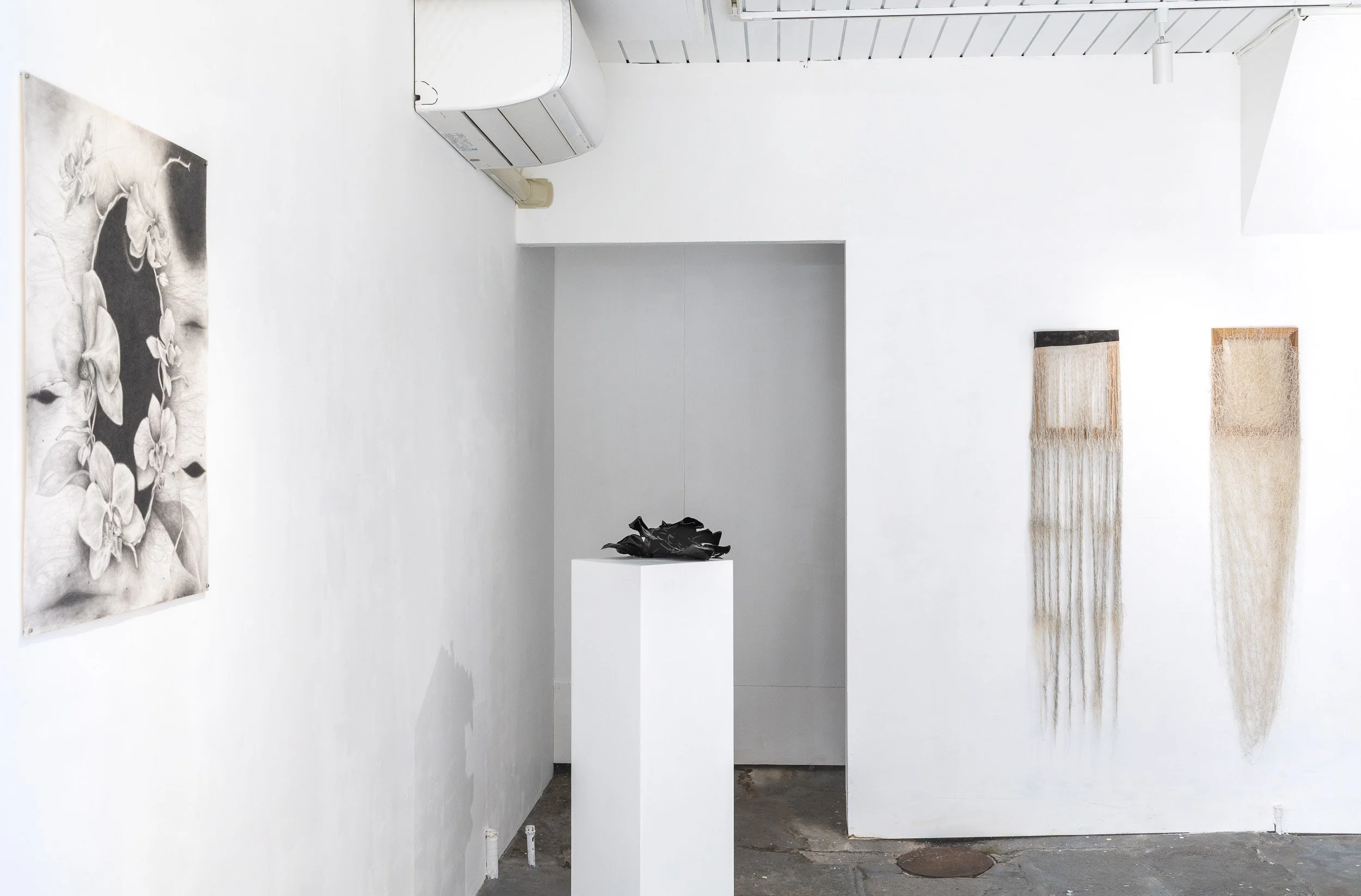
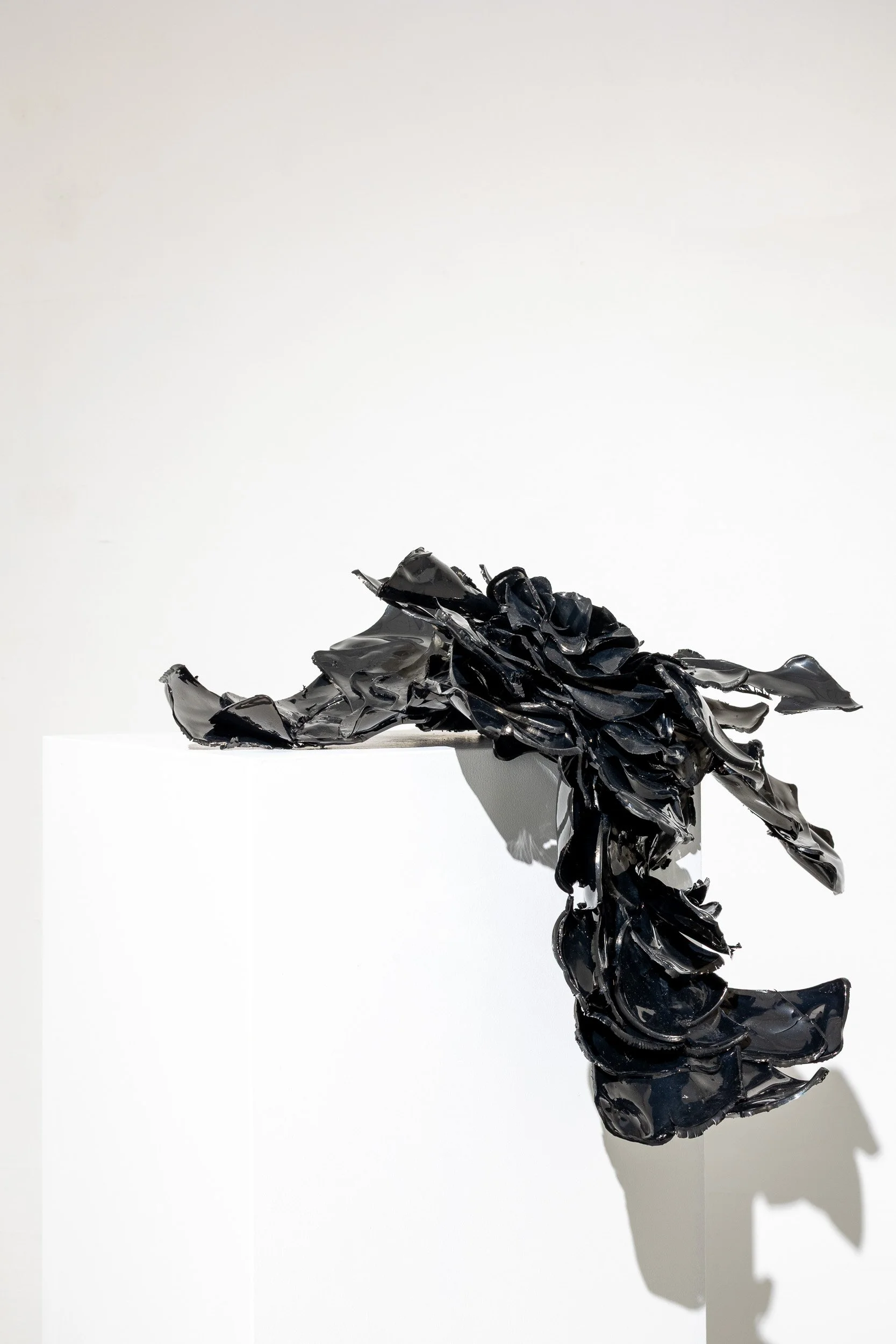
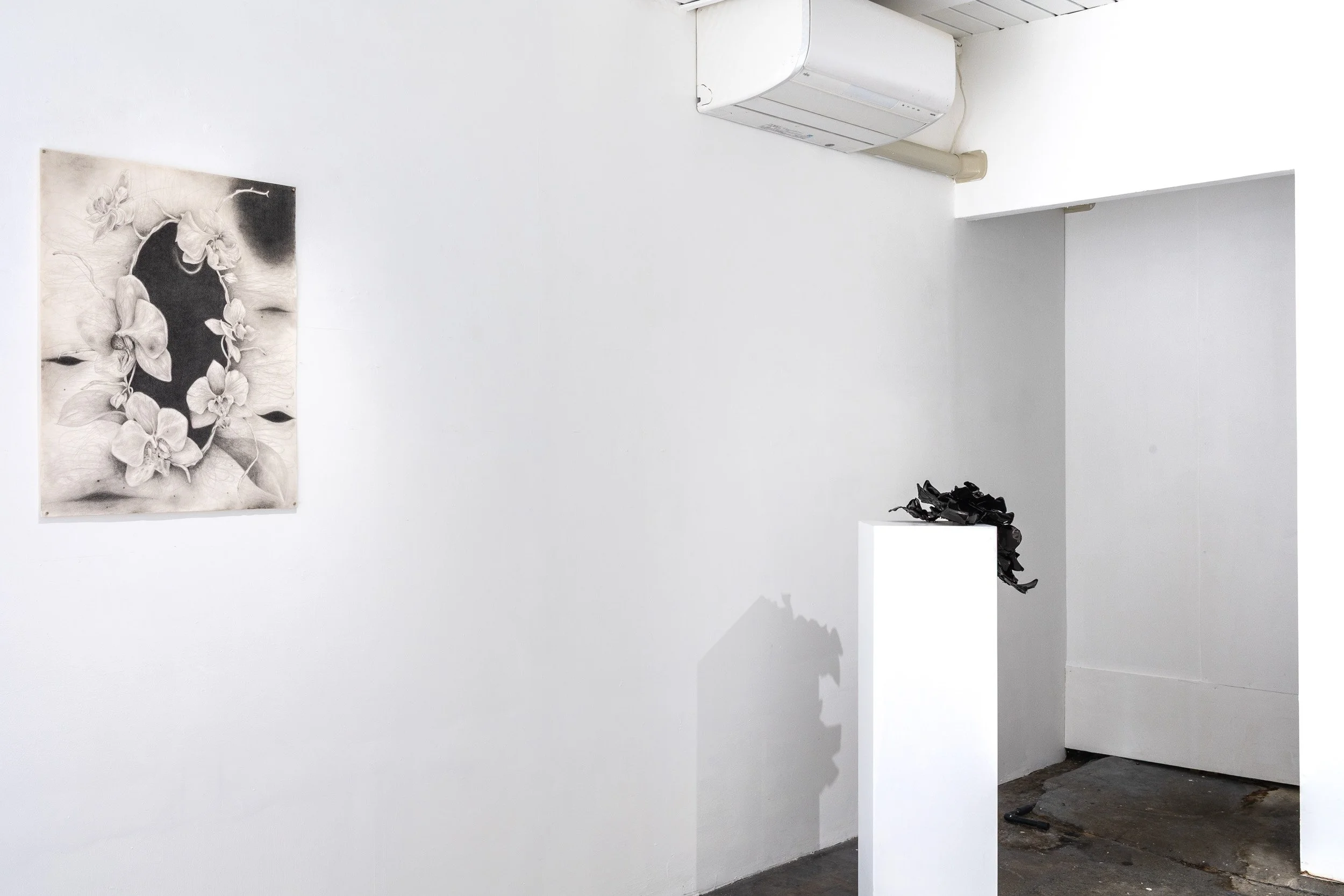
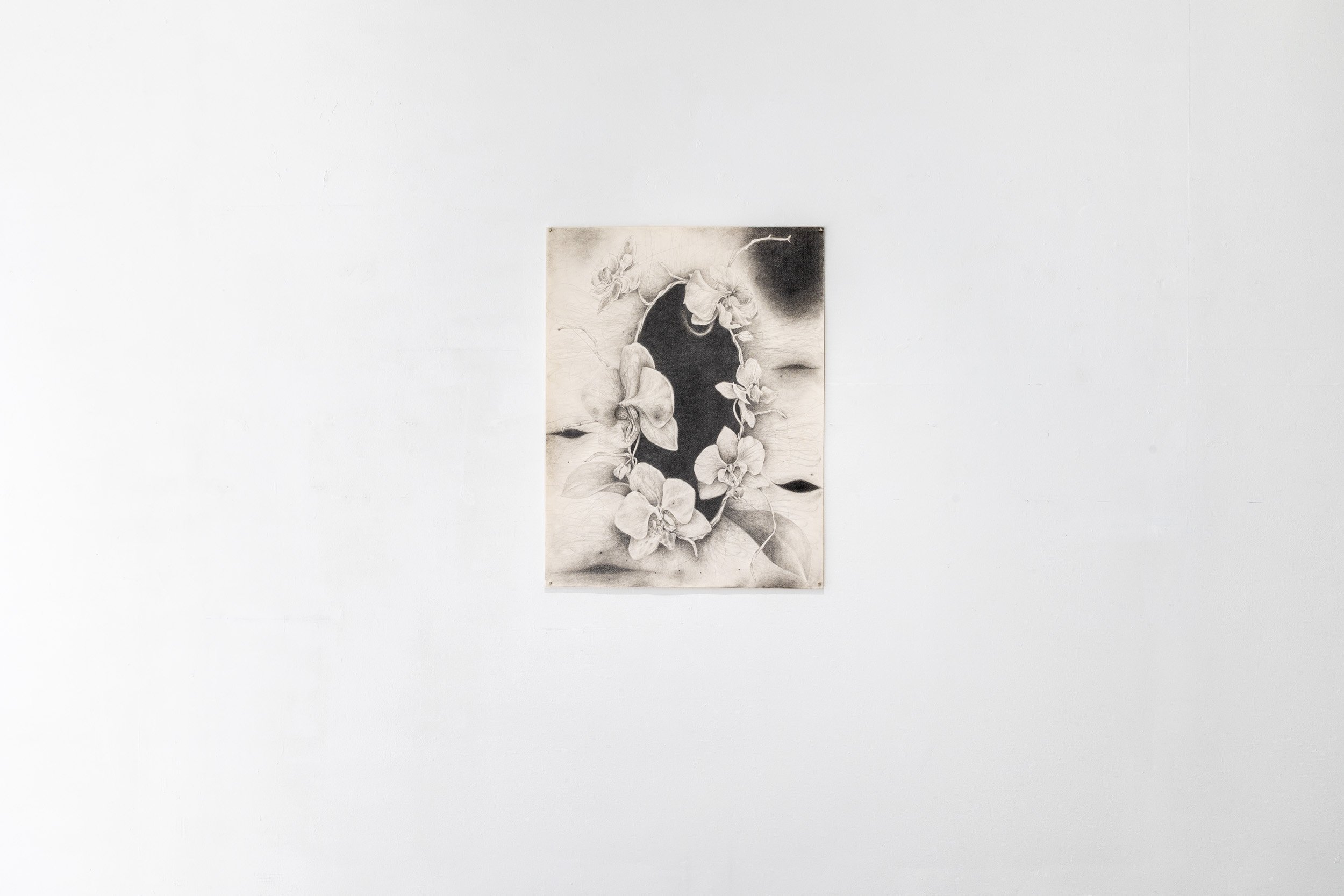
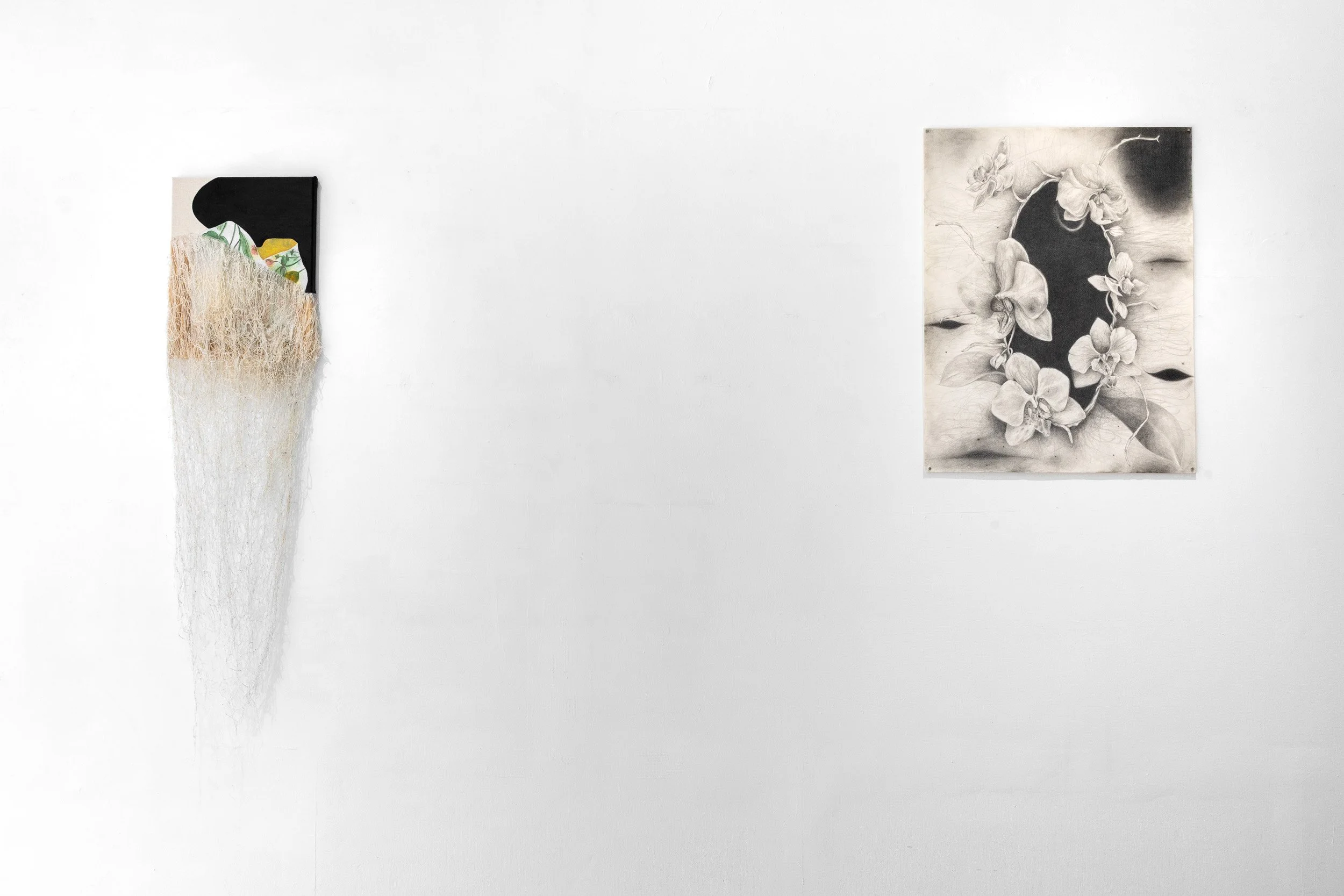
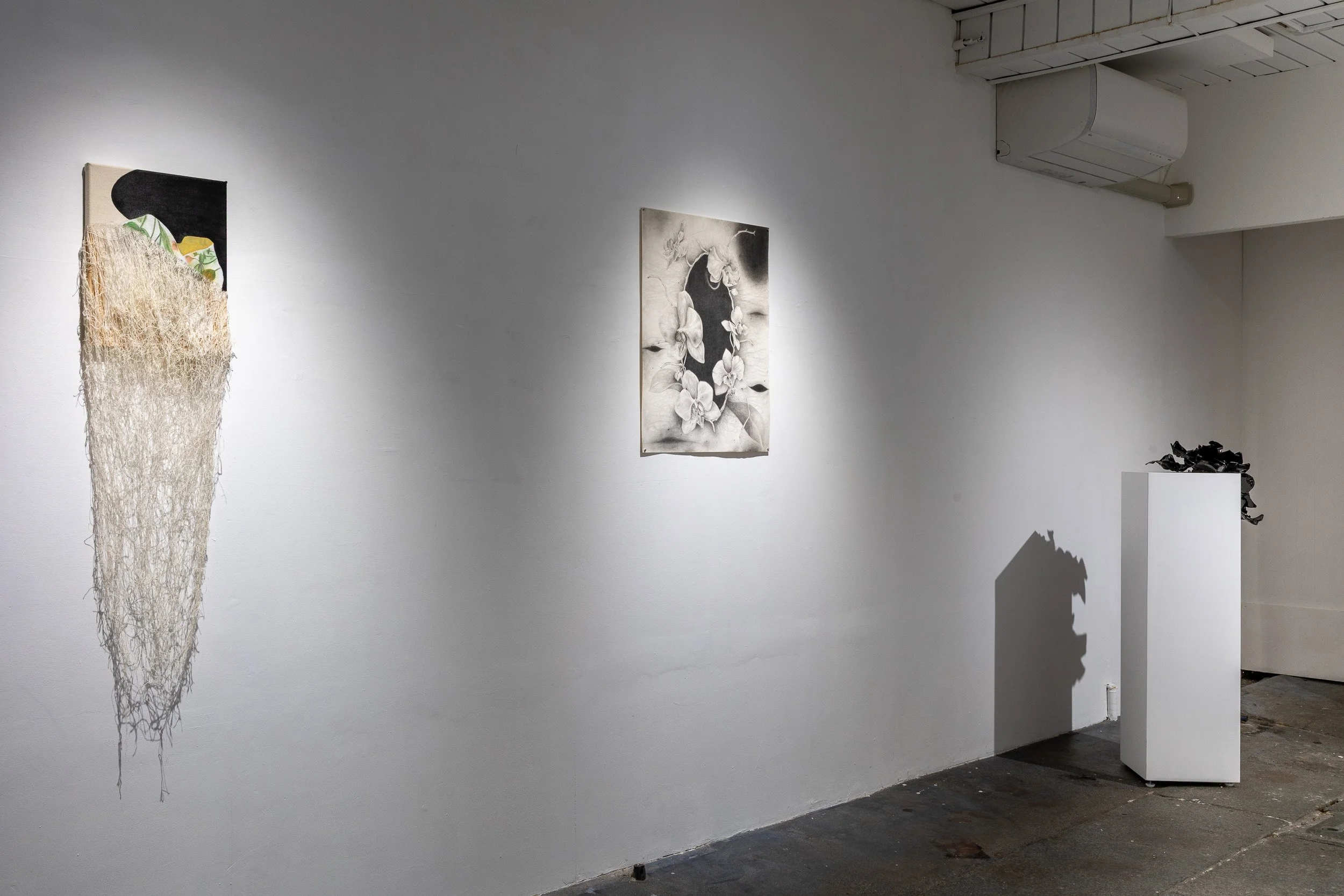
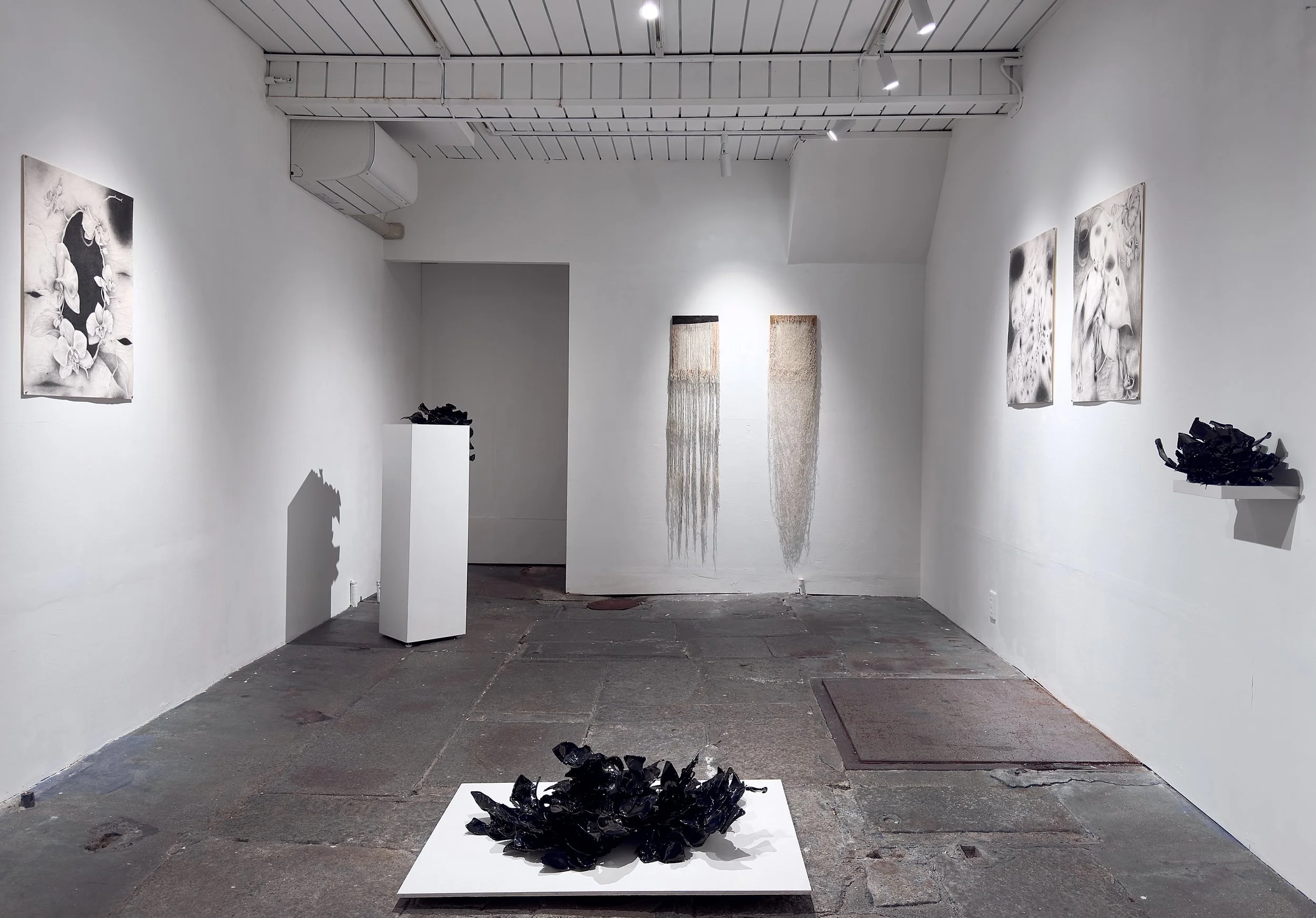
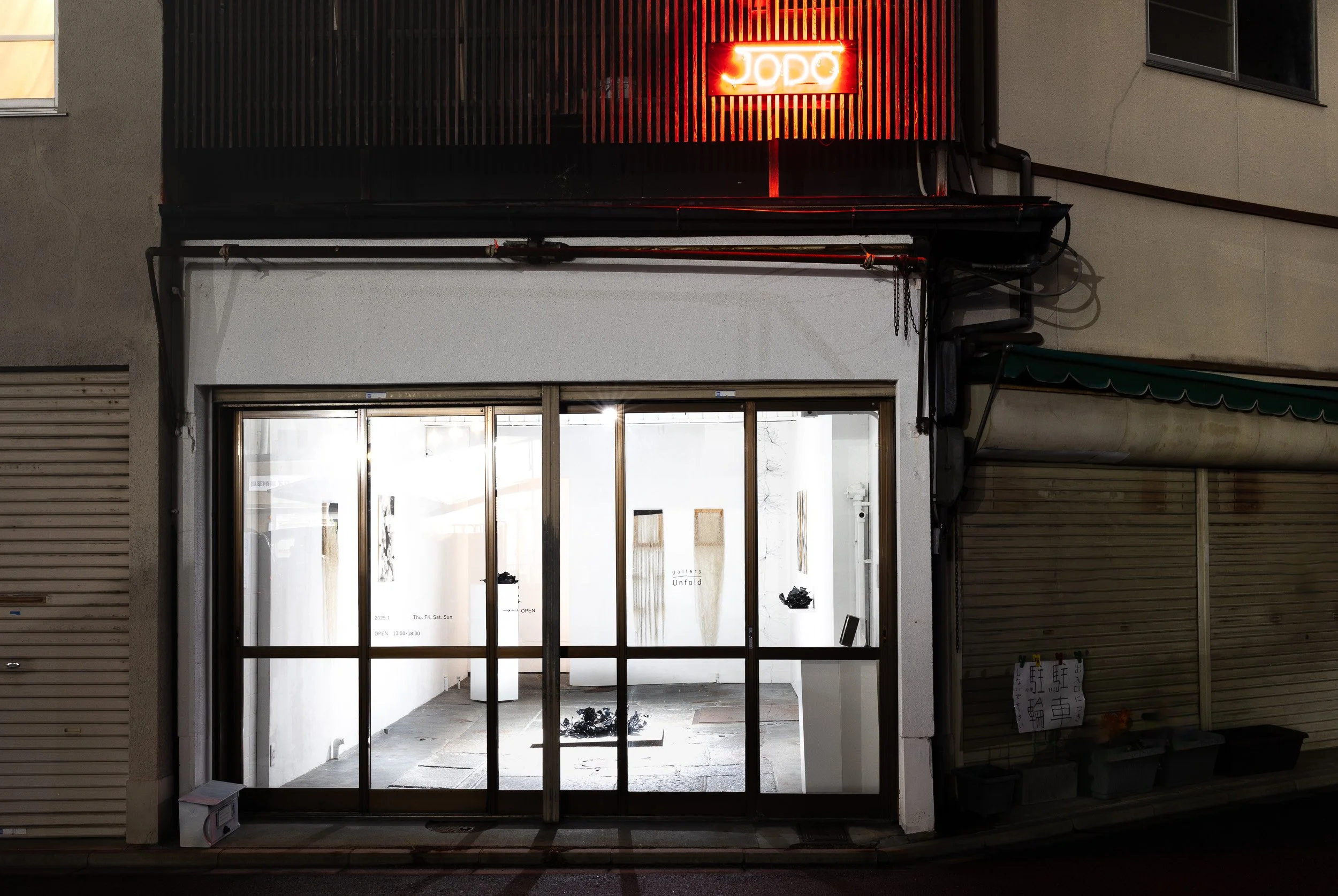
When we travel, we have a chance to reflect on our origins while moving through a new environment. Where do we come from, and conversely, where are we going? When we return, what do we come back to?
In Origins, Jocelyn Shu presents work from multiple series of work created amidst the backdrop of navigating between cultures, geographies, and fields of knowledge. She is influenced by her background as both an artist and scientist — originally trained as a painter, then as a psychology researcher studying human emotions — and as an Asian American now living in Taiwan.
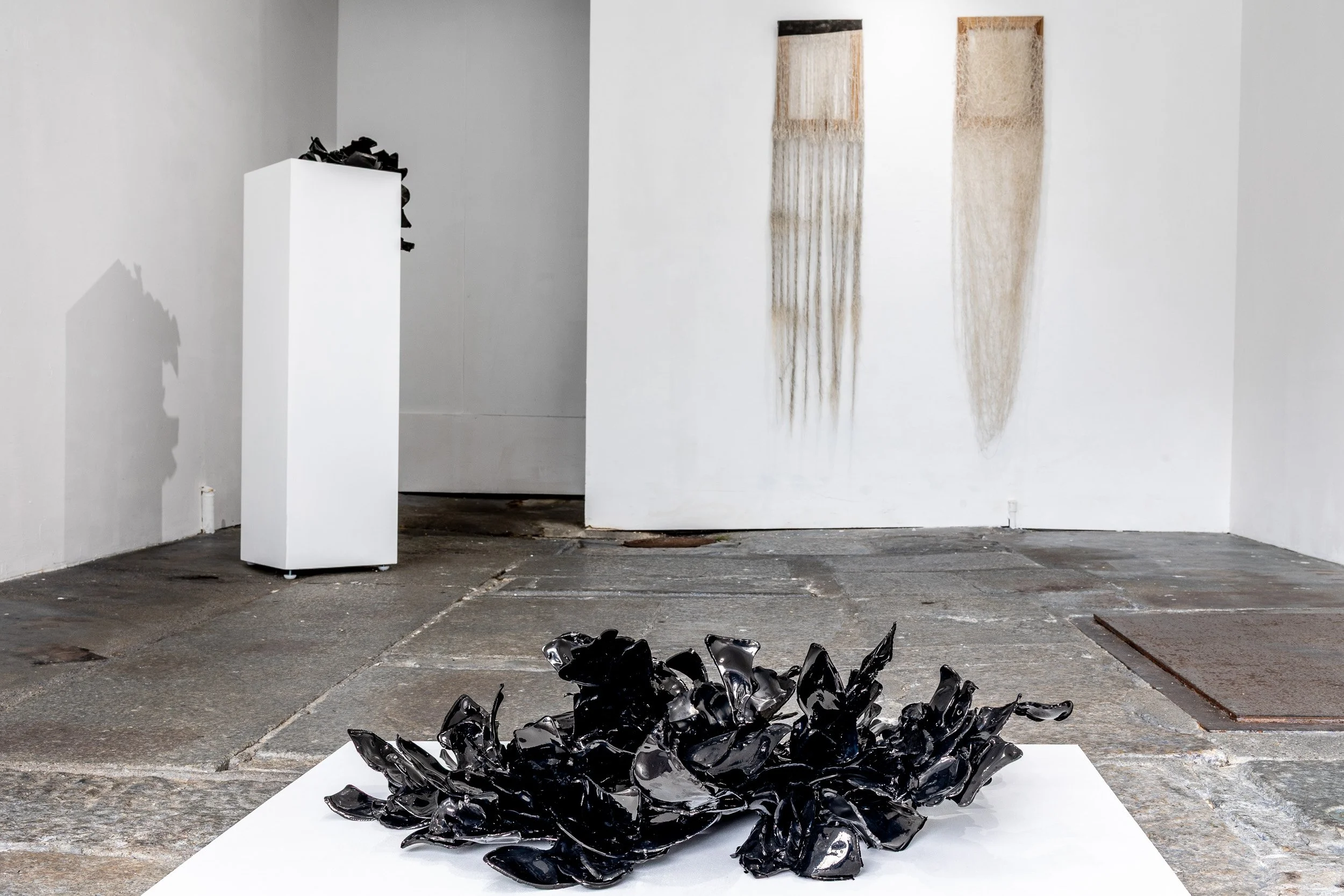
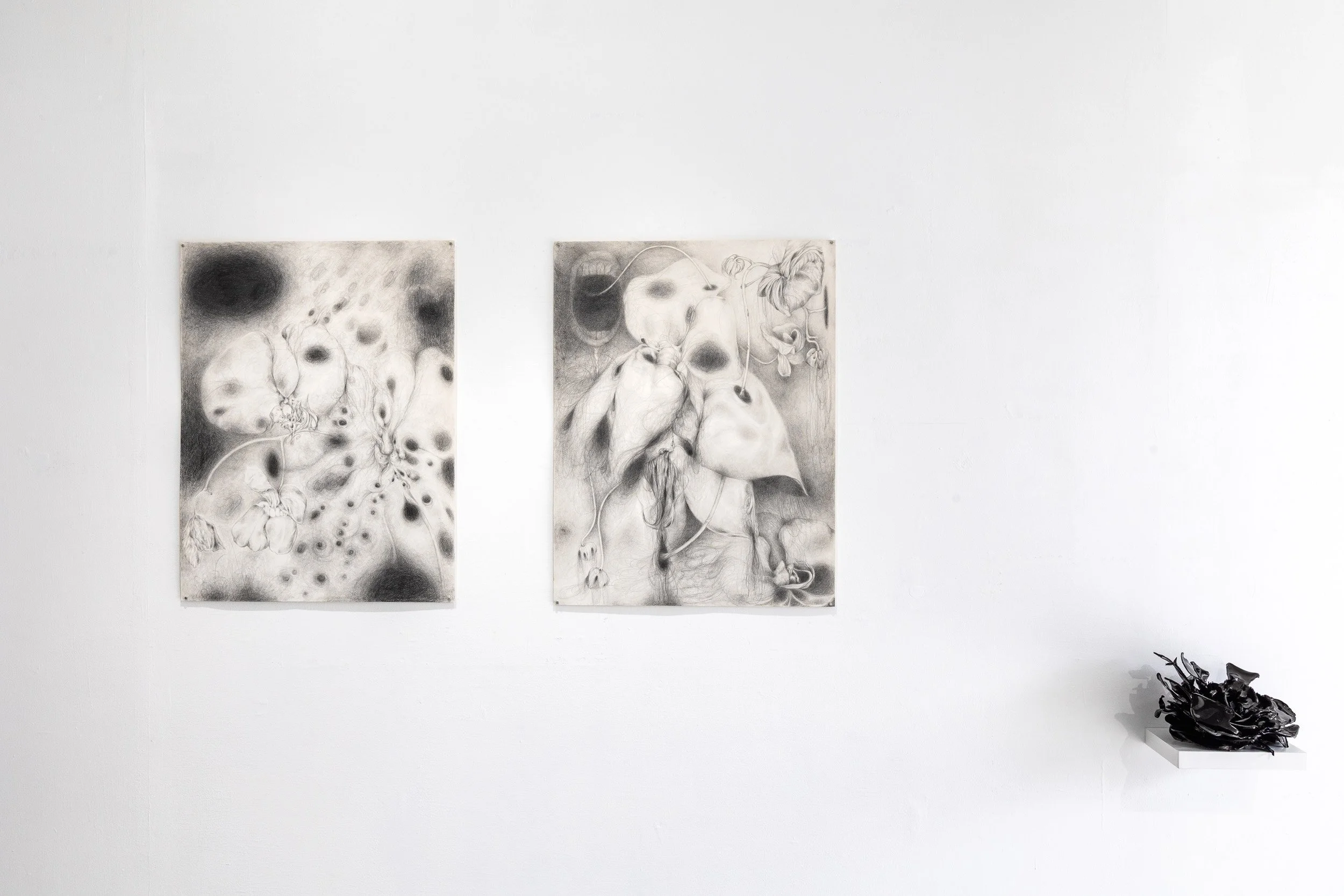
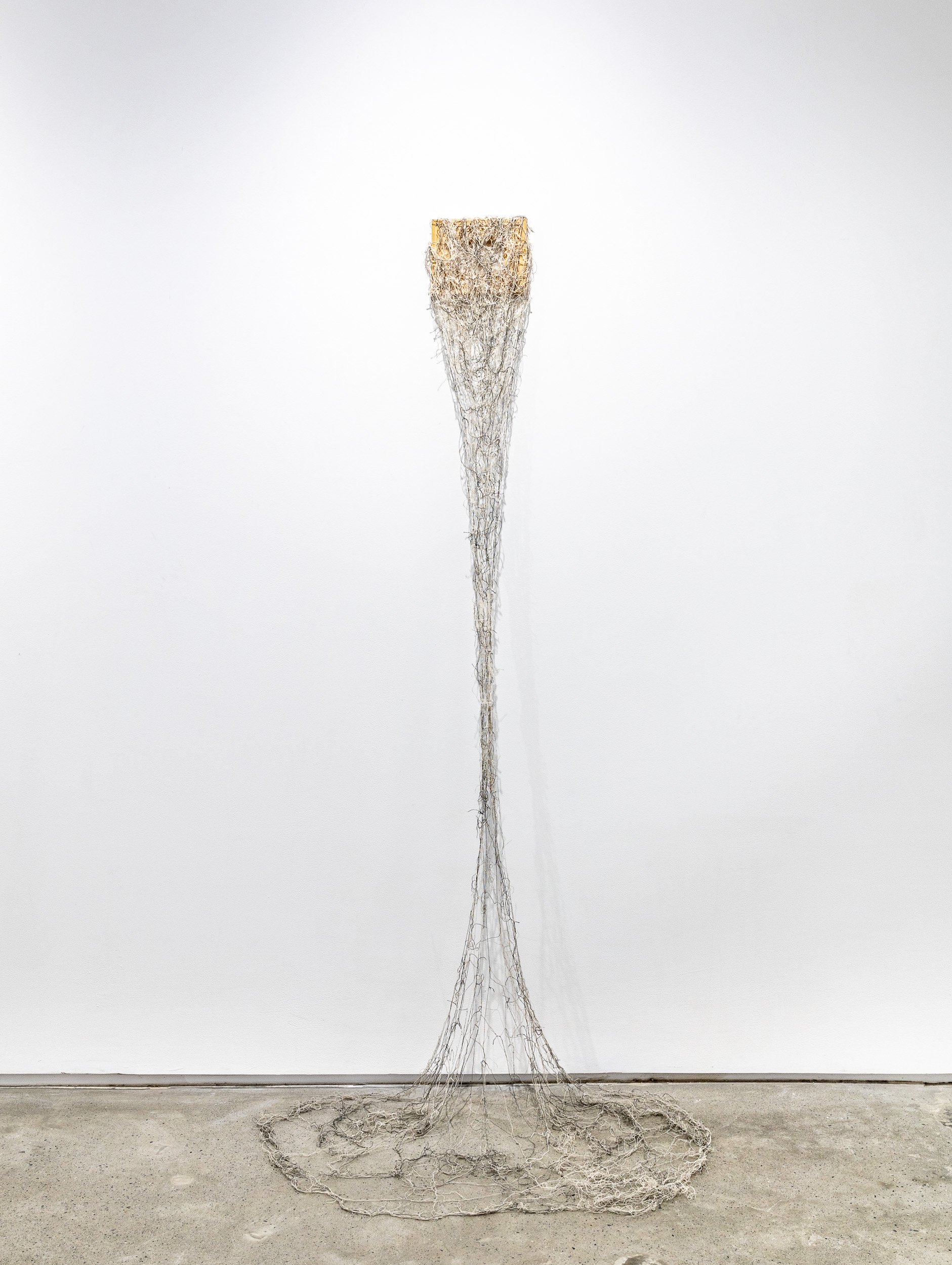
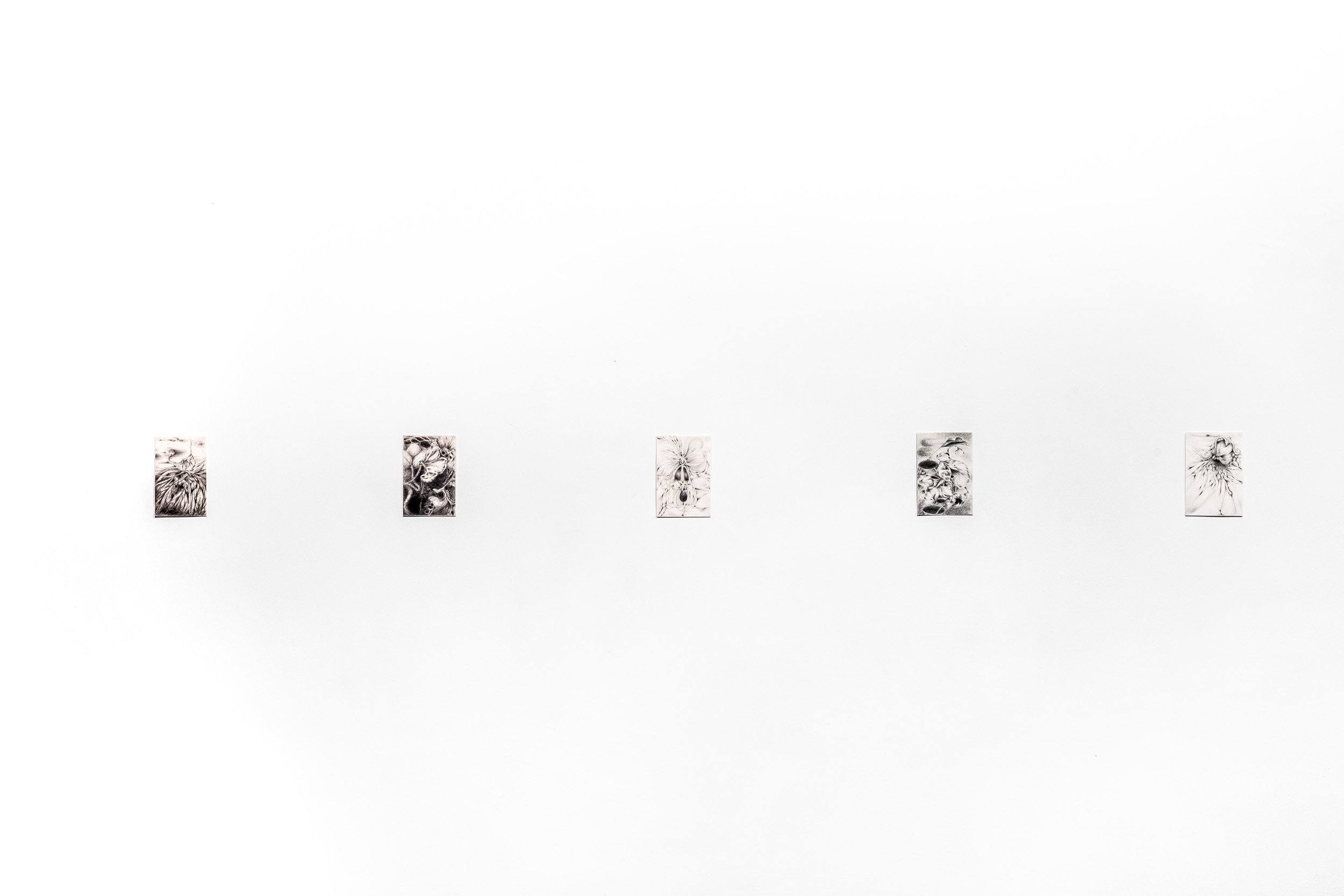
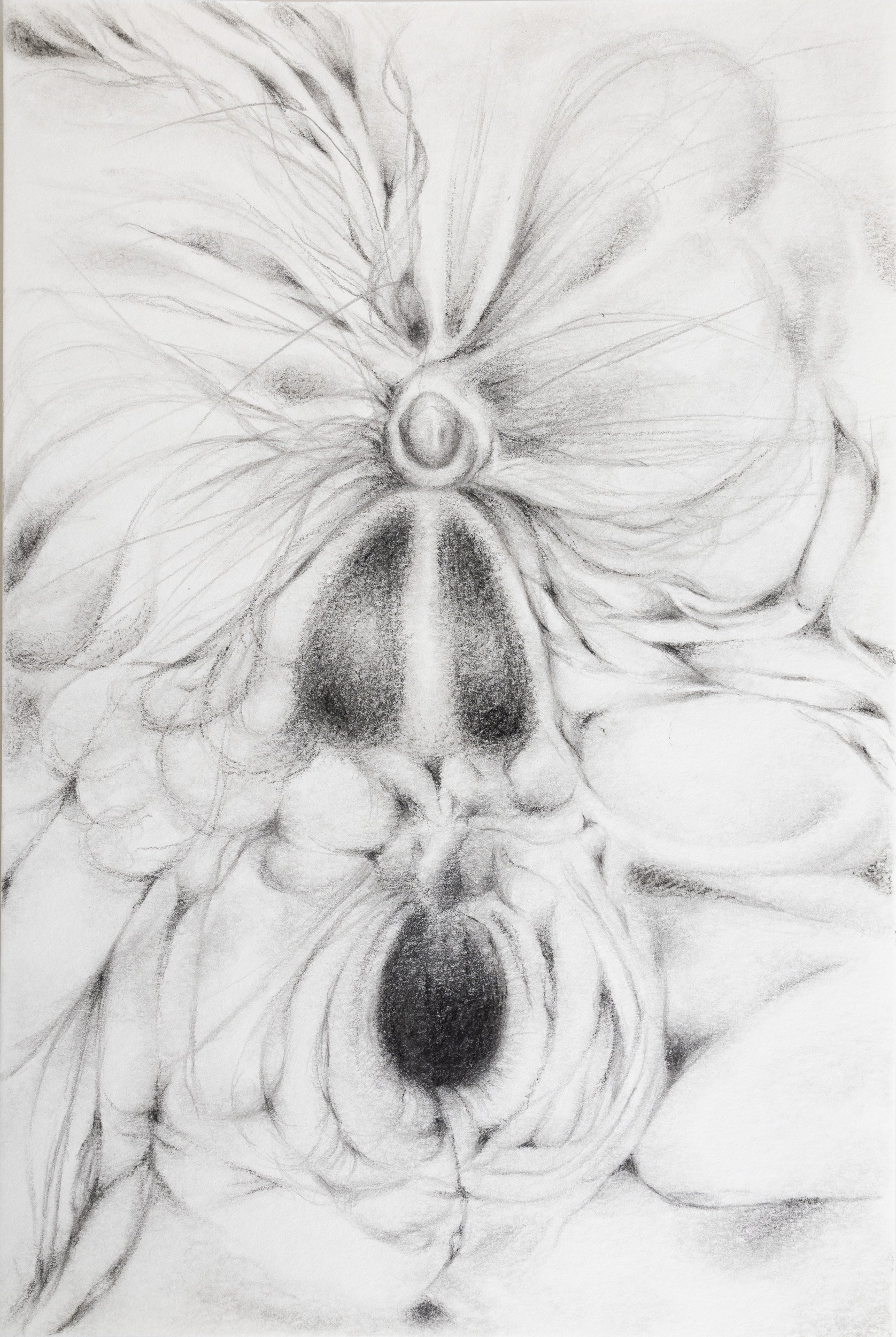
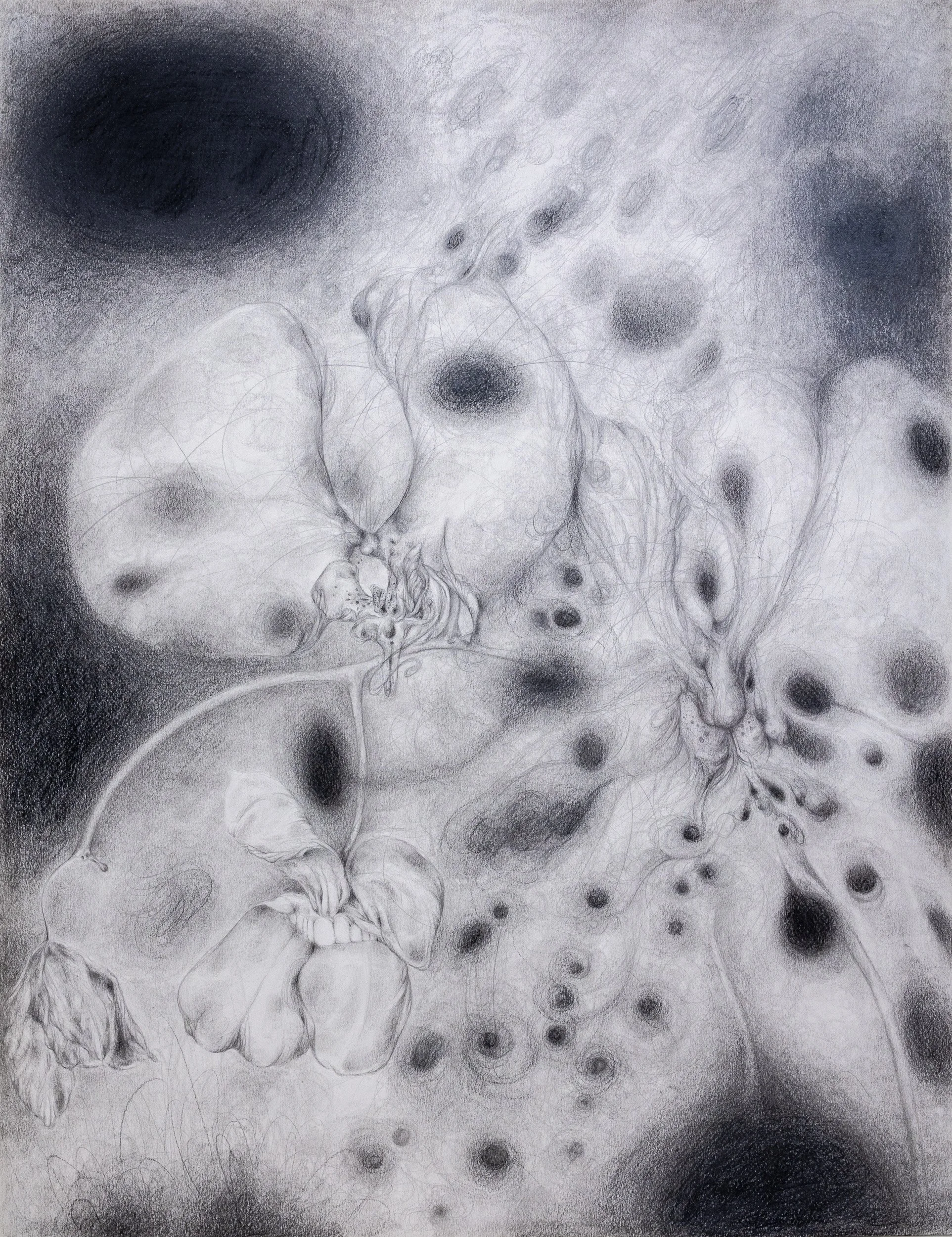
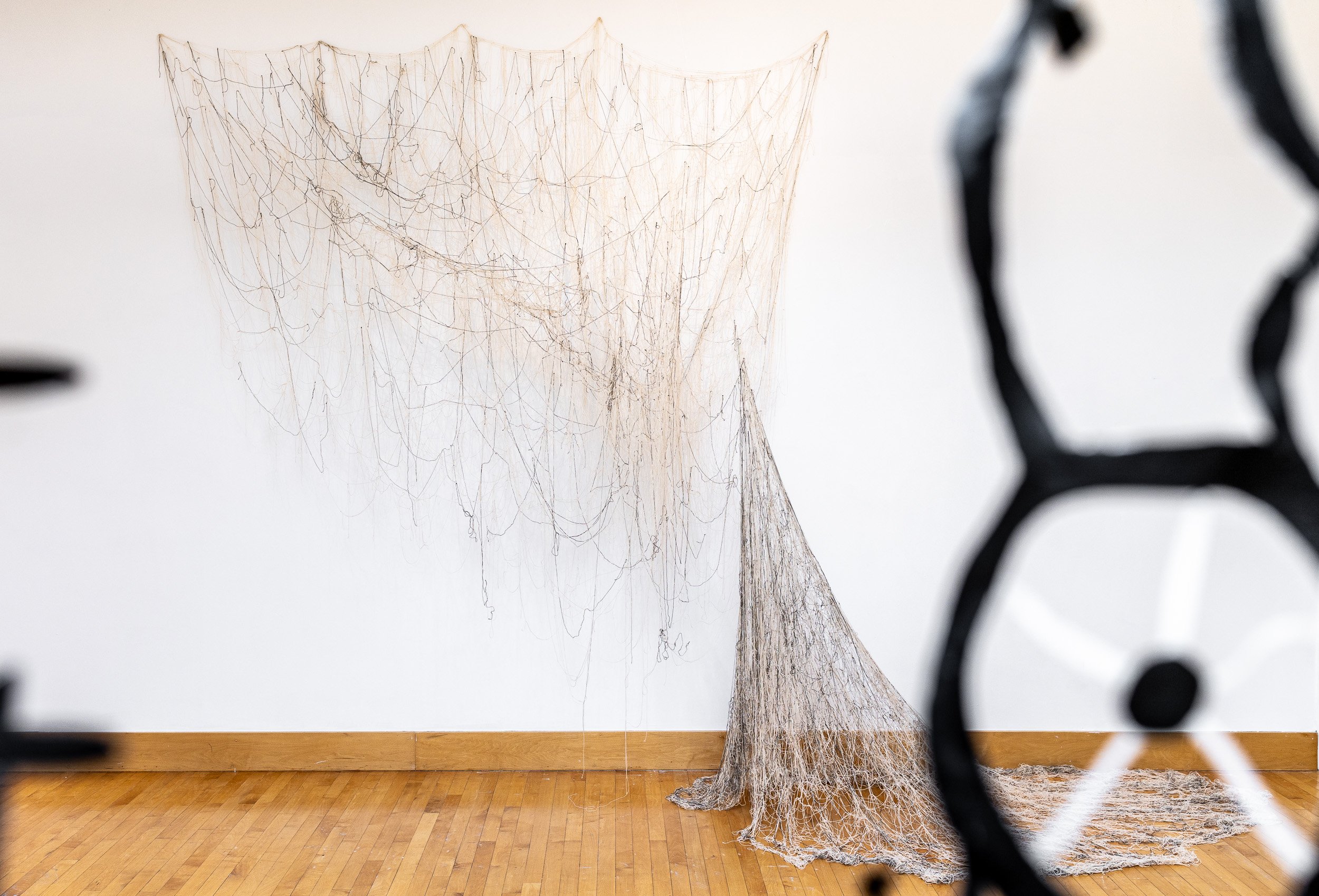
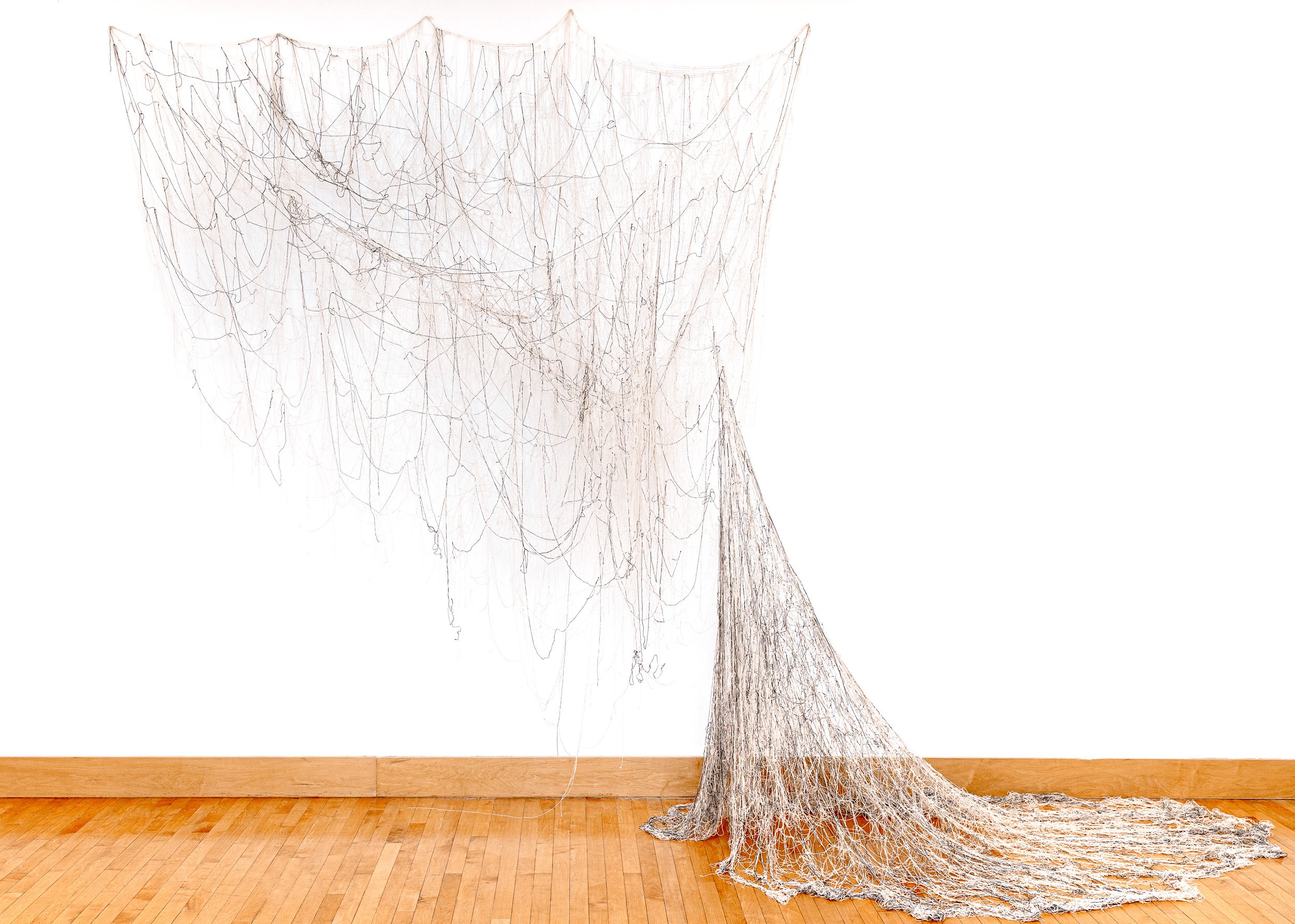
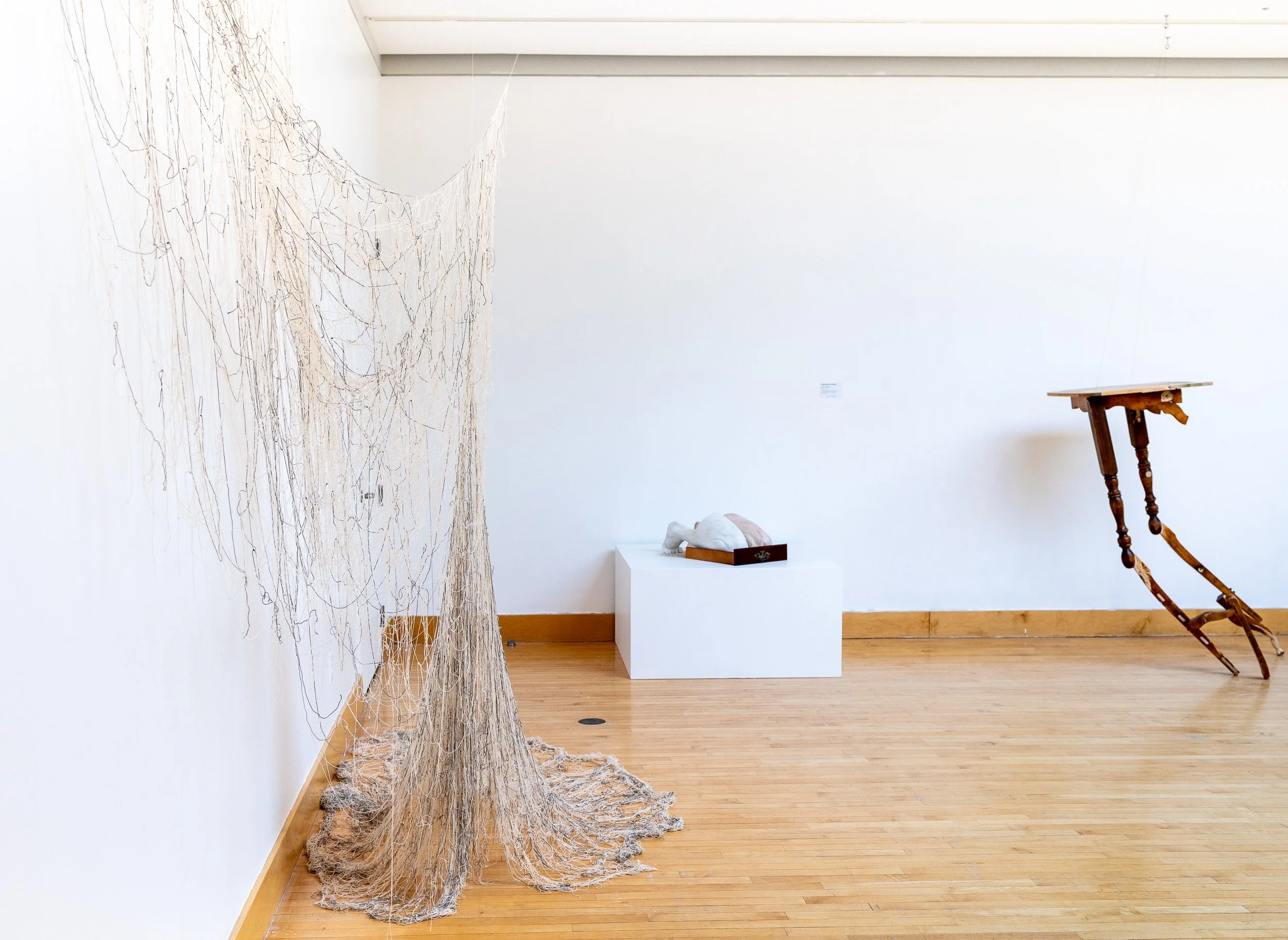
Central to this show are works from her Canvas Series, created by unraveling painting canvas thread by thread, then tying the threads back together. The canvas serves as material and metaphor — referencing body, identity, histories, and rebuilding. Alongside the canvas pieces, are recent graphite drawings from Jocelyn’s Orchid Series, in which the artist merges botanical observation with imagined bodily forms. These works engage themes of femininity, decay, and transformation.
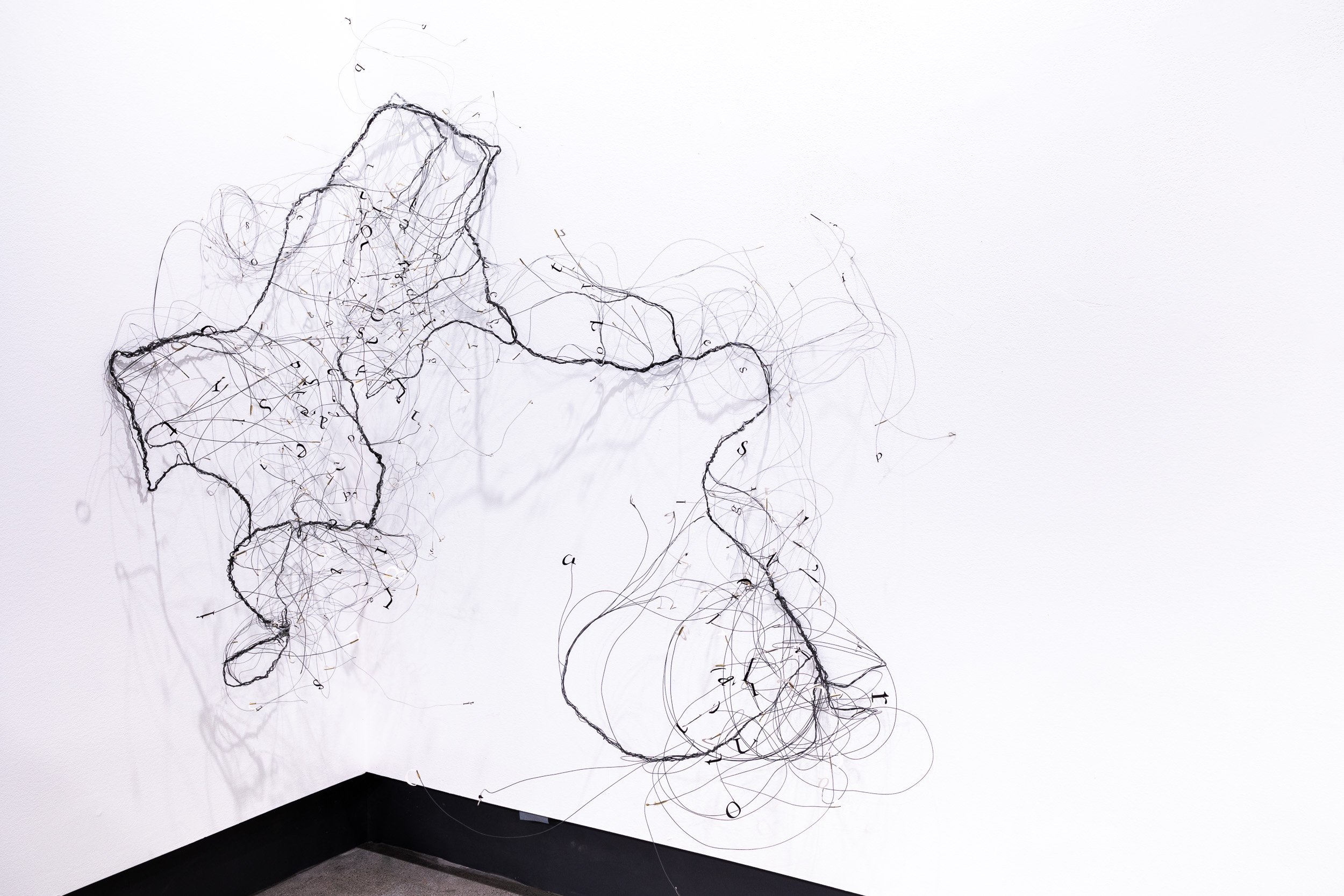
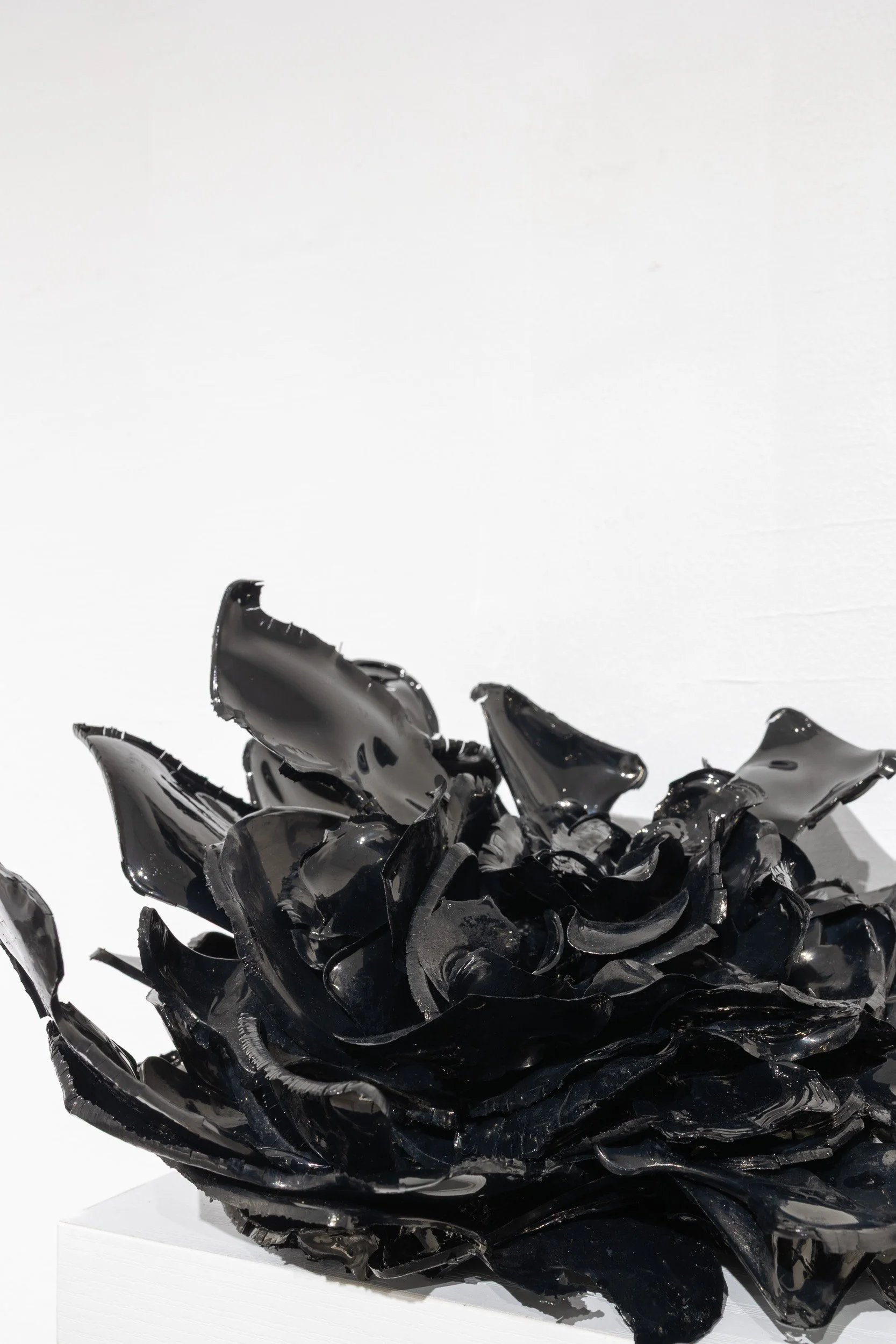
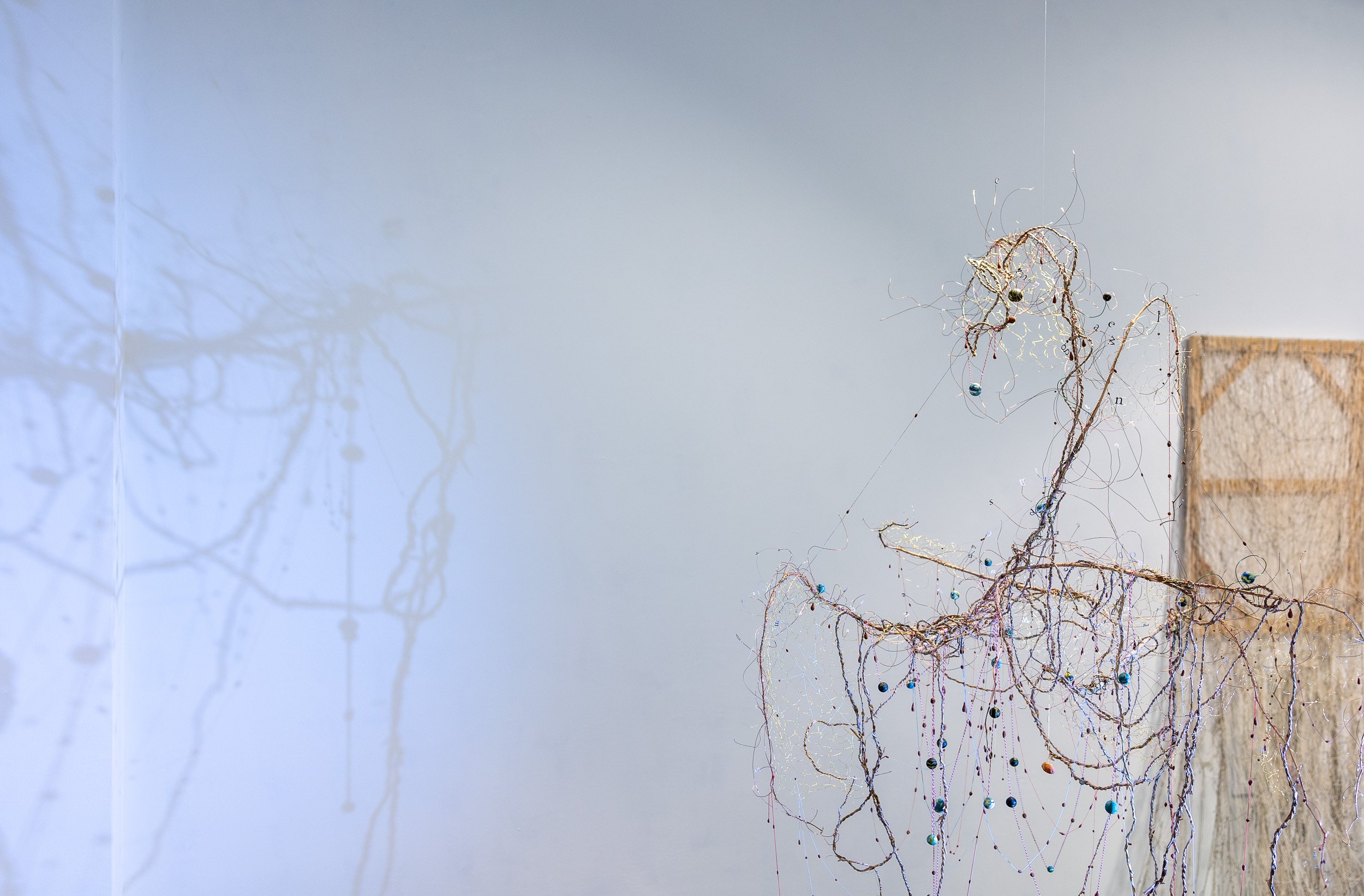
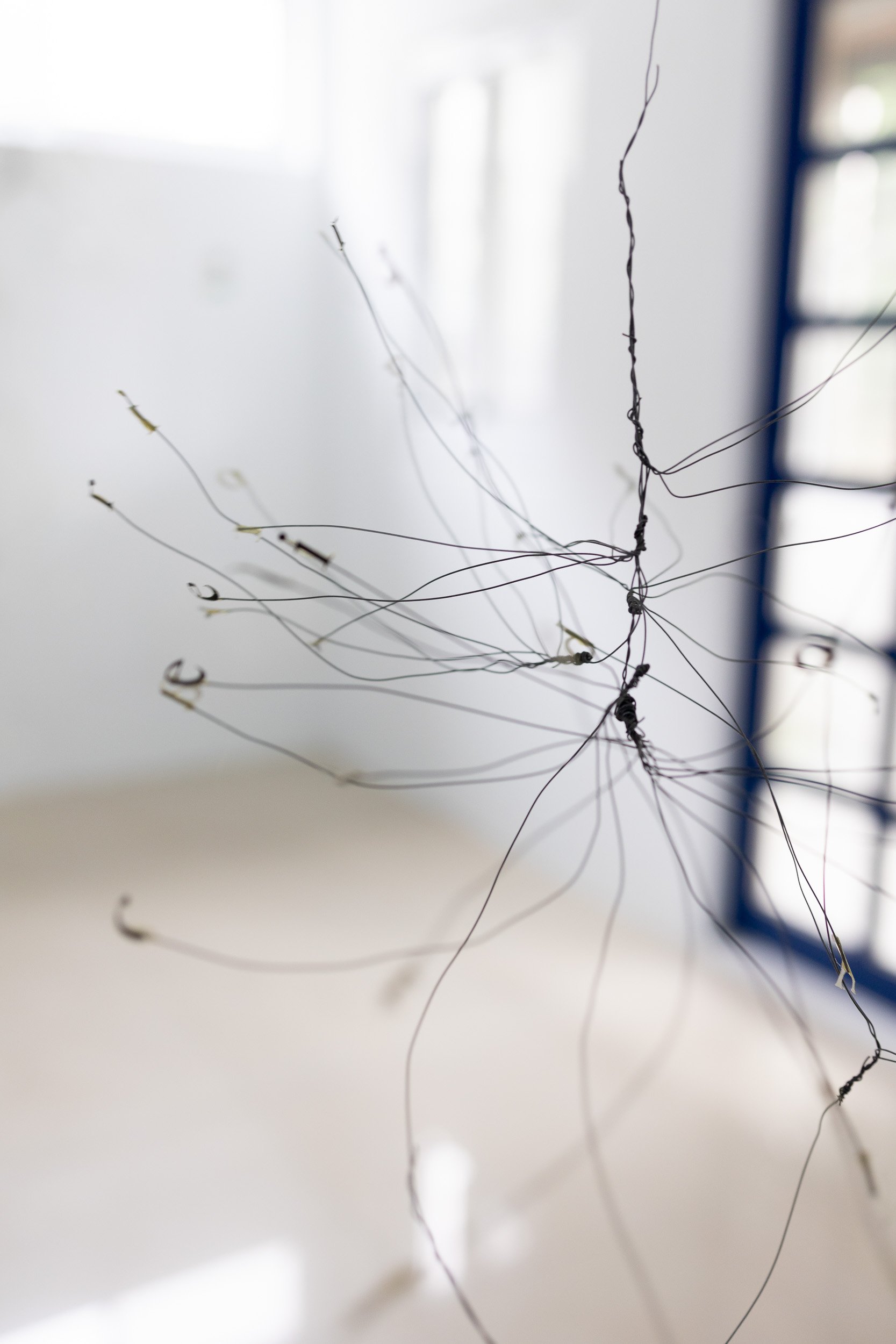
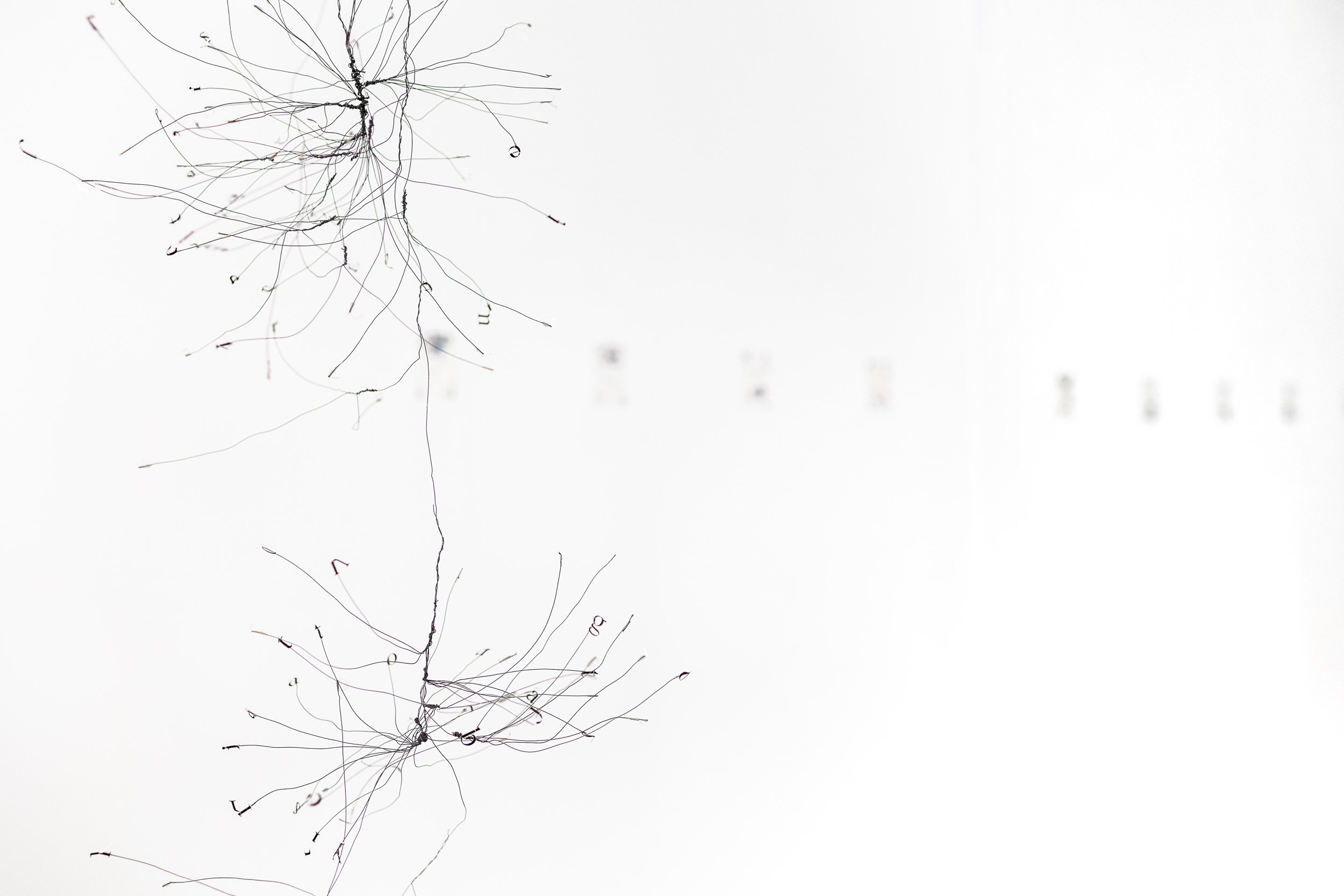
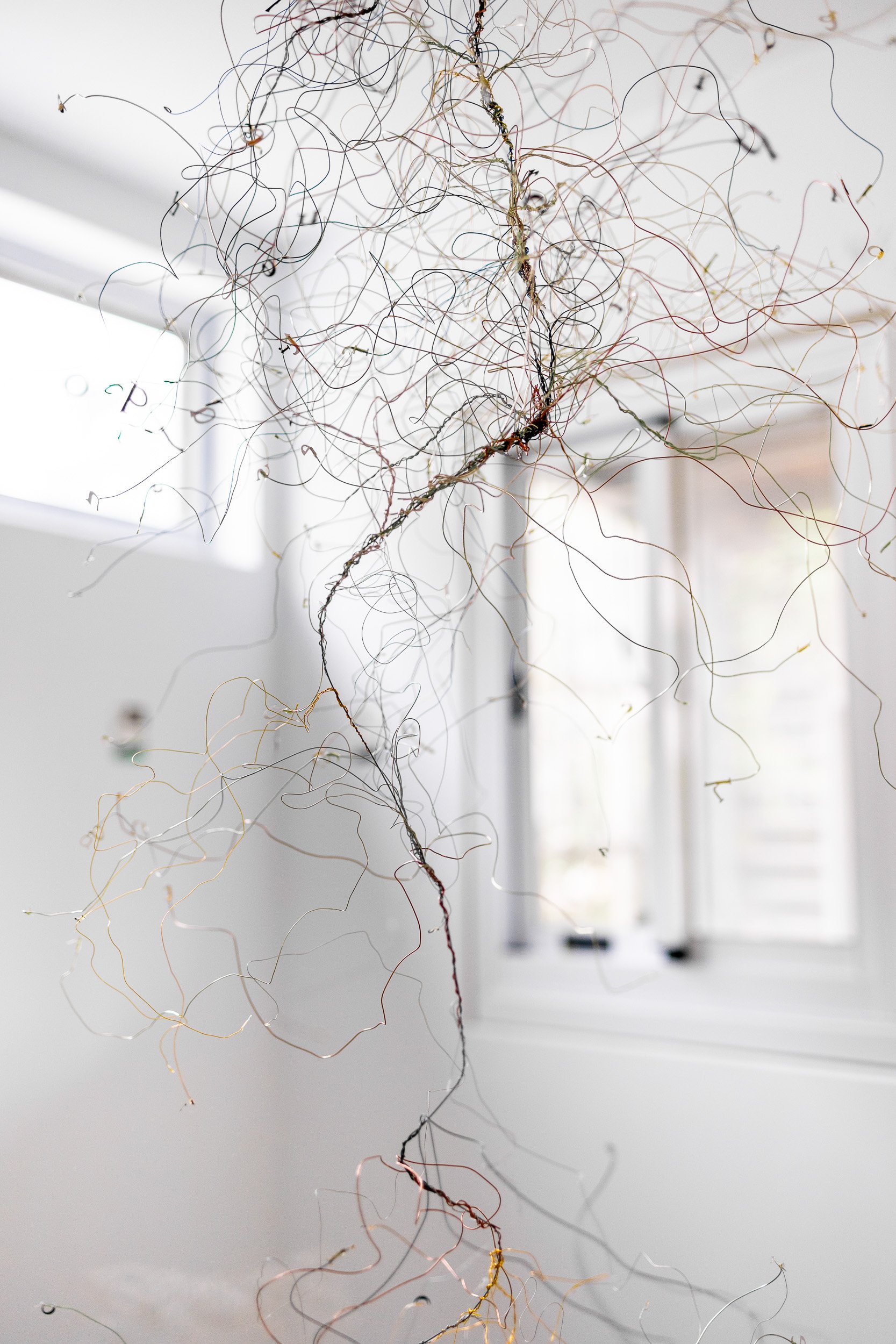
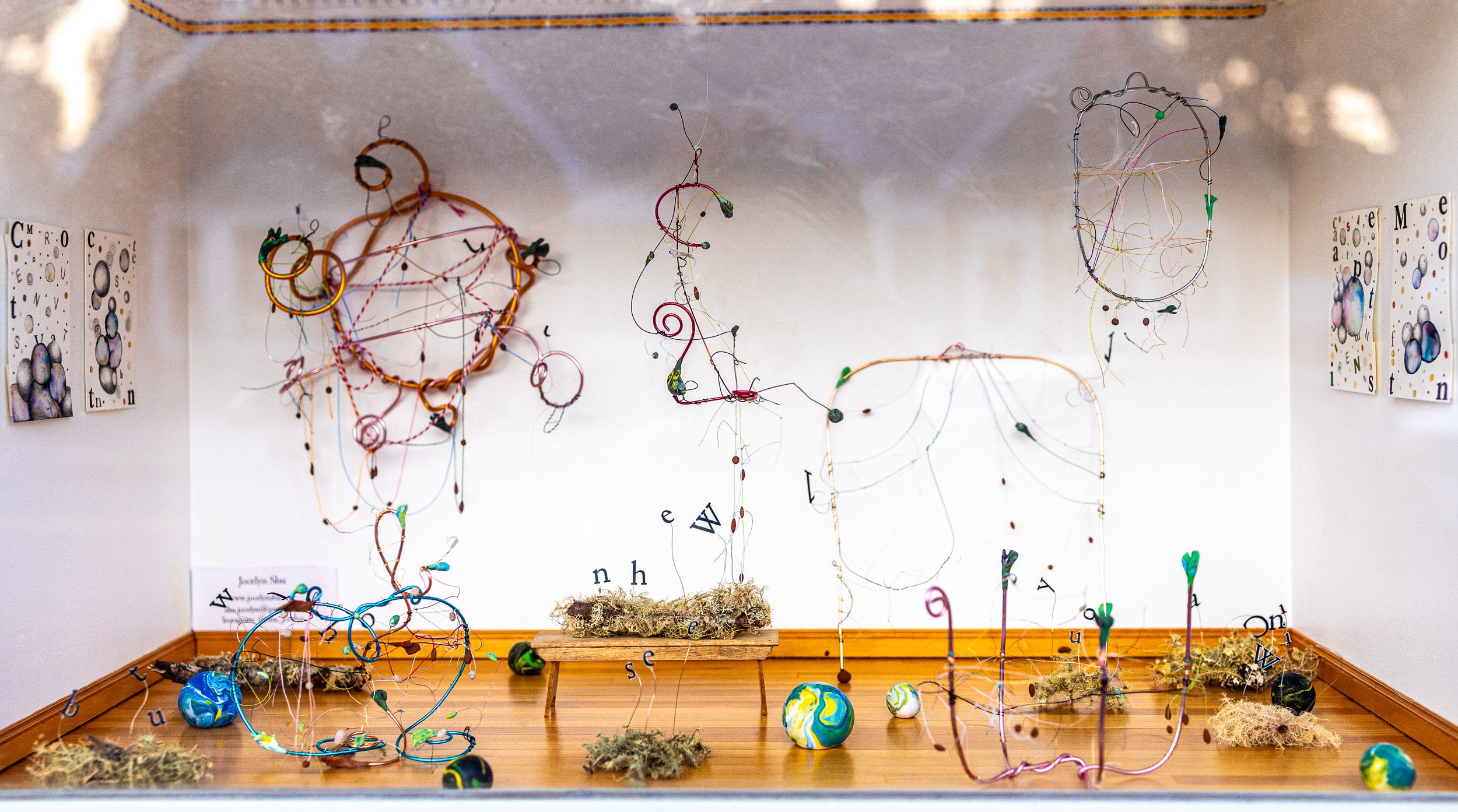
In dialogue with this work, are ink sculptures the artist is exhibiting for the first time. Created entirely from dried ink, these pieces resonate with her Canvas Series in considering notions and histories of painting across cultural geographies. Finally, the artist presents Chapter 1, the first piece completed from her 81 Chapters series of wire sculptures. Created in 2012, the piece consists of meticulously hand-cut text from a translated version of the first chapter of the Dao De Jing. Accompanying the artist across several moves — from New York City to Boston to Taipei — and exhibited in these different cities along the way, the piece conveys a circular sense of time that ties the past with the present and future.
Through Nature to Eternity
自然 —經過塵世以達永恆
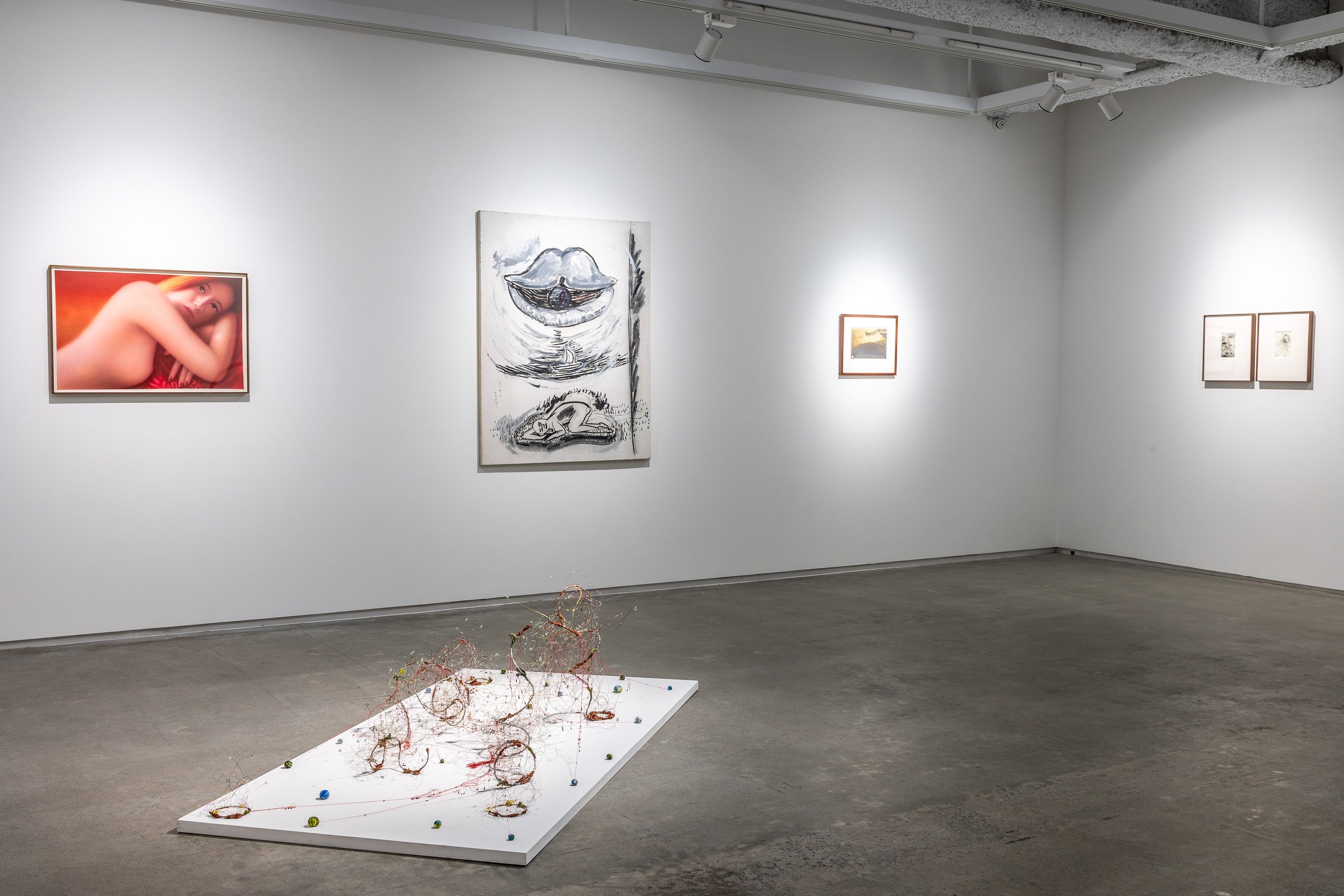
Group show at Each Modern 亞紀畫廊, Taipei, Taiwan (2024)
Artists: 陳昭宏 Hilo Chen, 侯俊明 Hou ChunMing, 安通庫恩斯特 Antone Könst, 郎靜山 Lang JingShan, 李芳枝 Li Fang, 李元佳 Li YuanChia, 林亦軒 Lin YiHsuan, 舒琮維 Jocelyn Shu, 吳美琪 Wu MeiChi, 許炯 Xu Jiong.
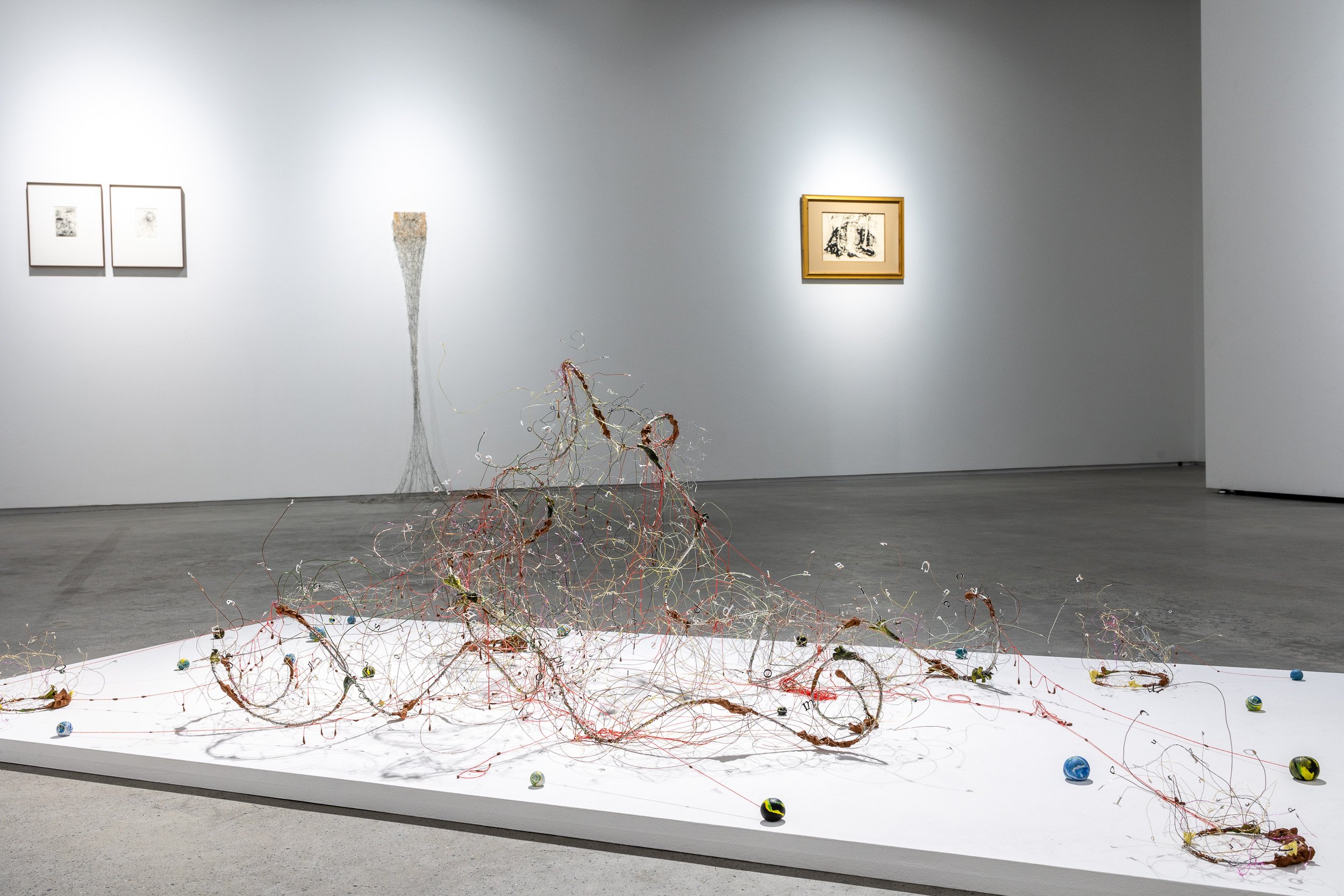
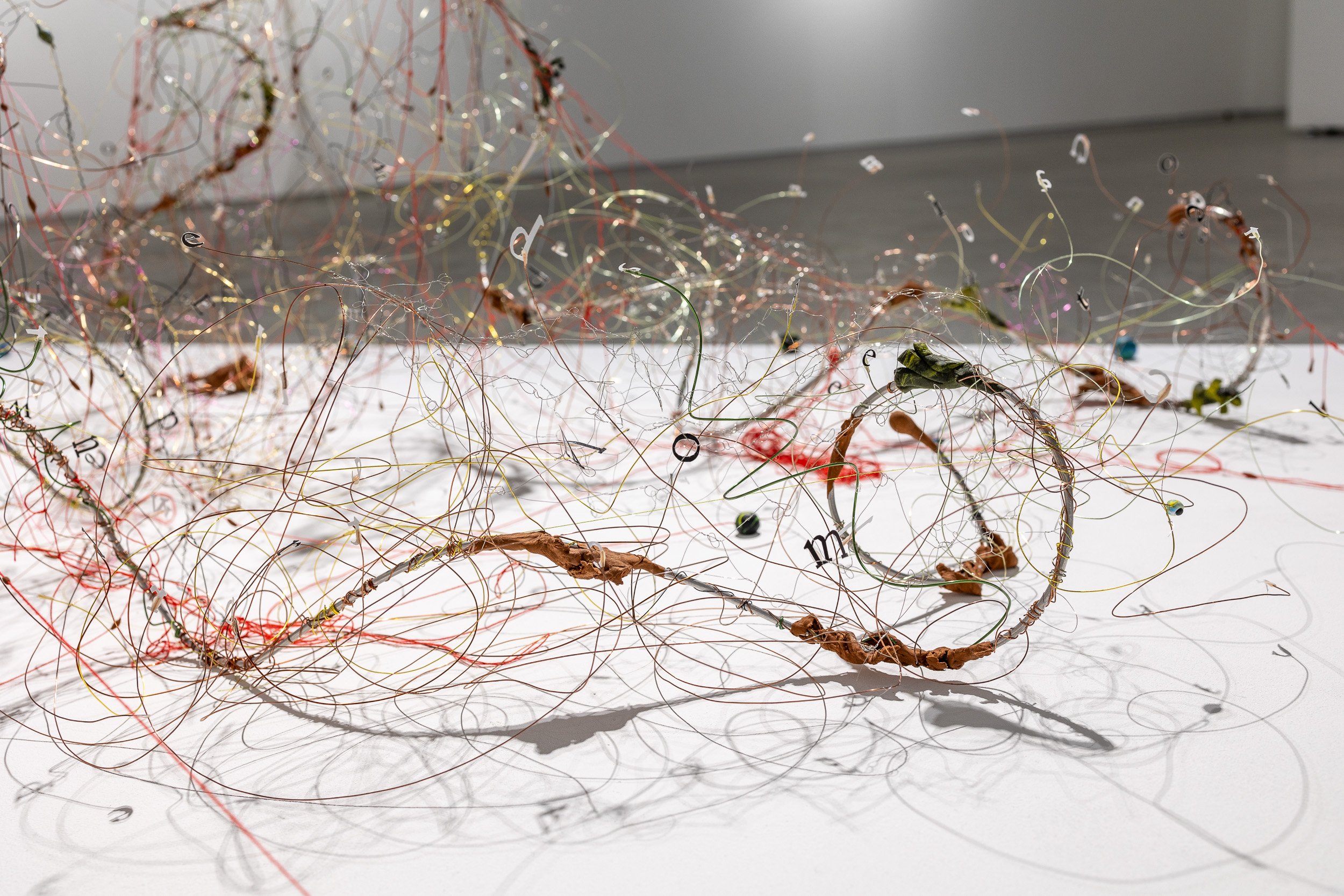
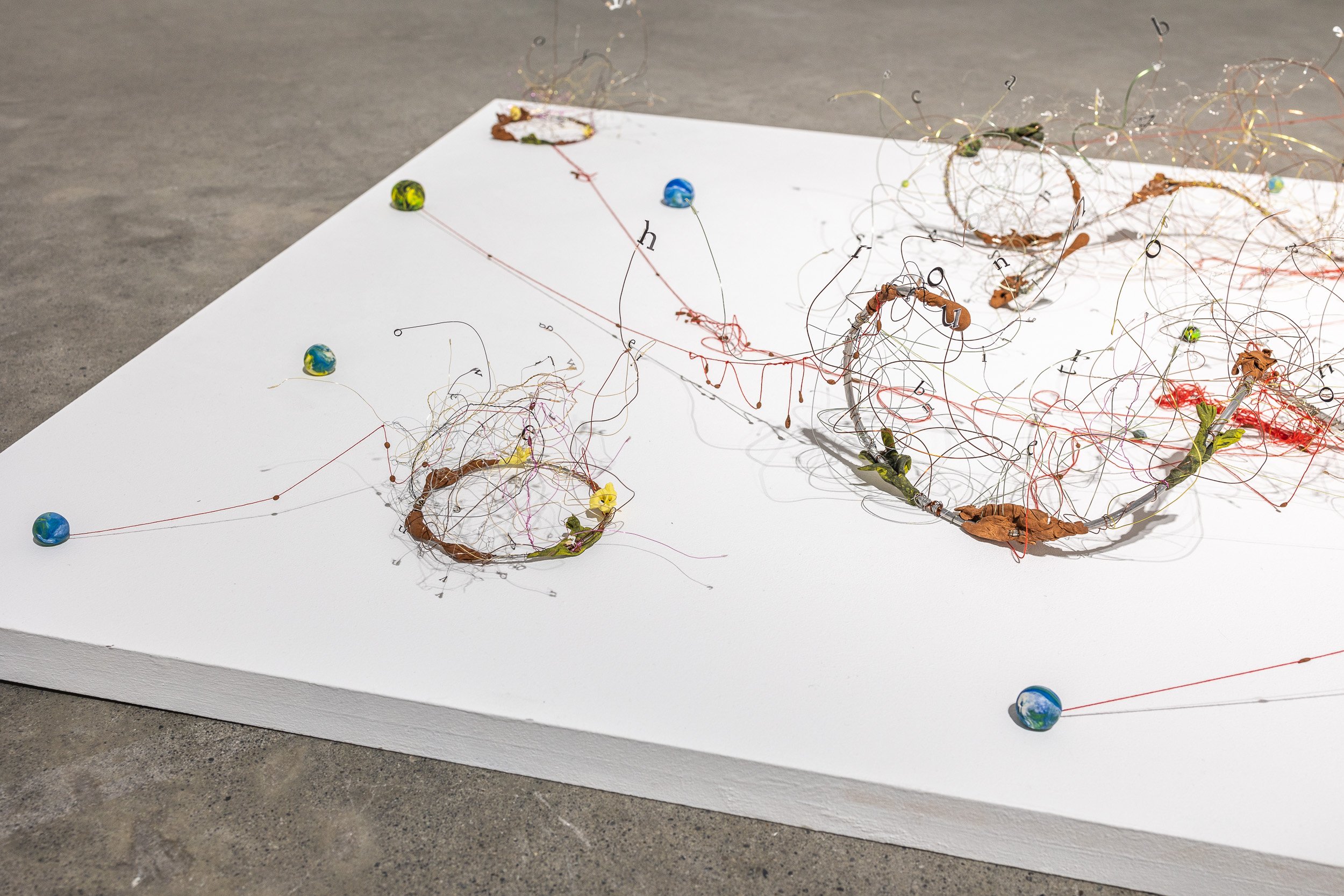
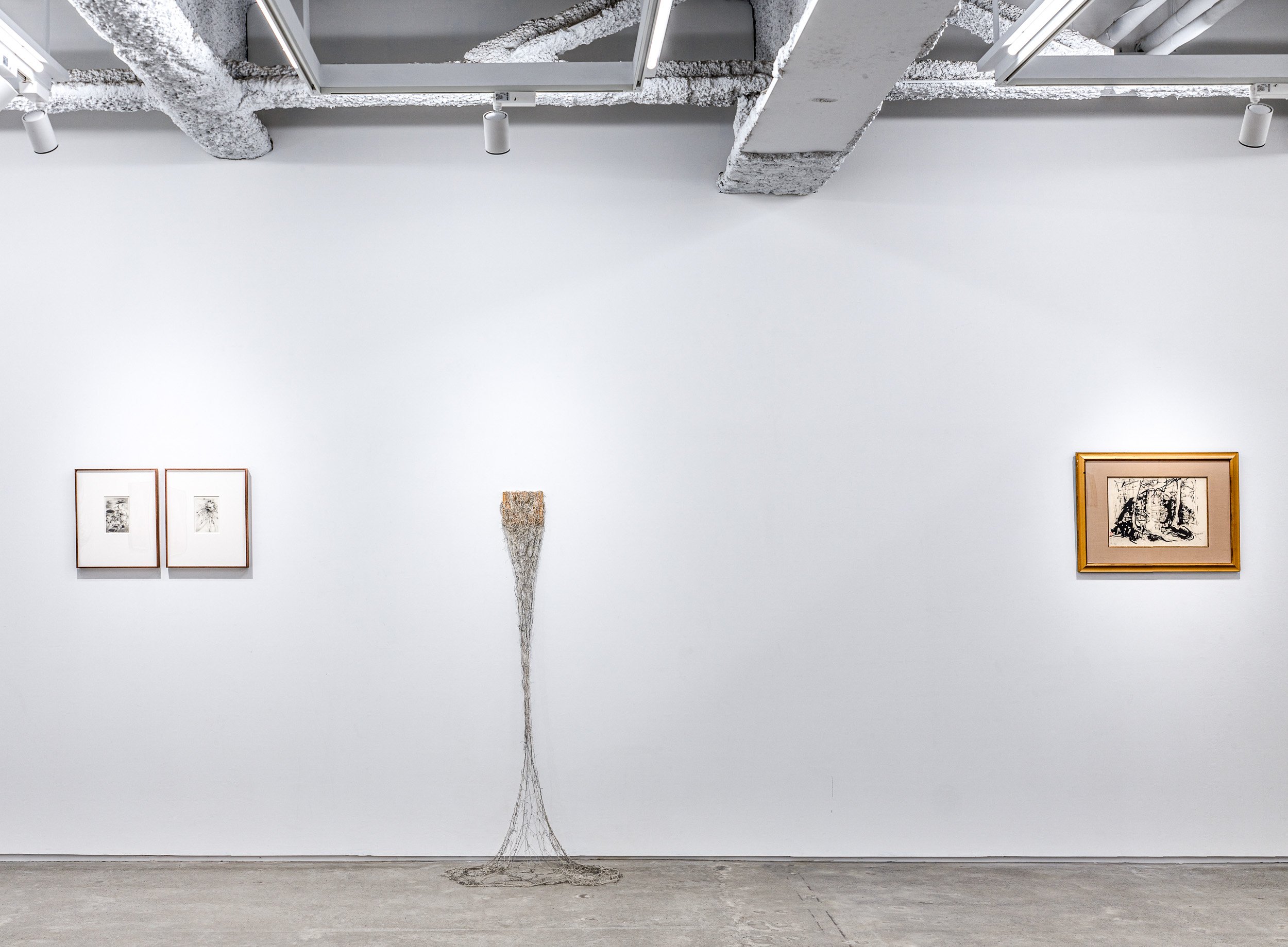

Open 開放
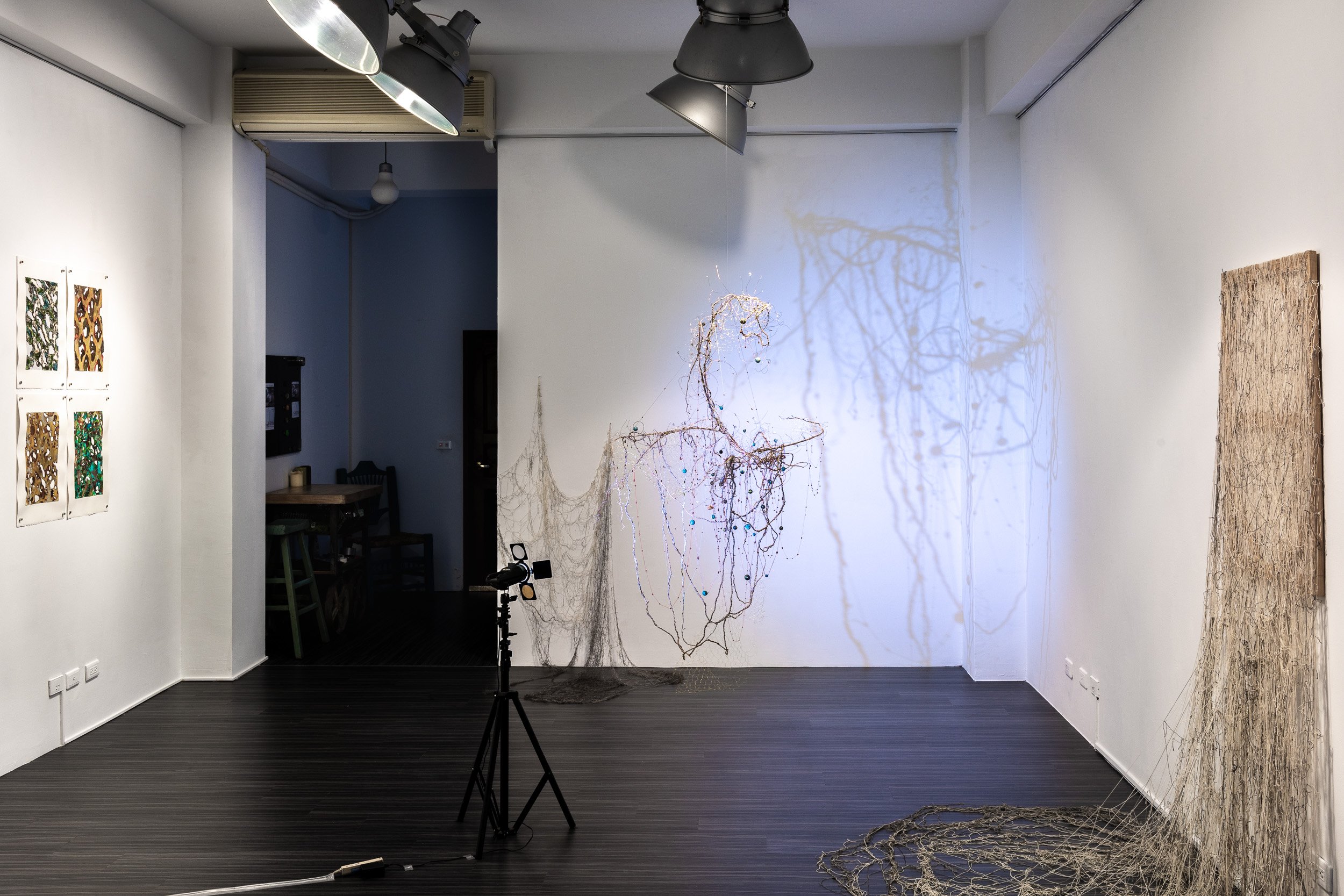
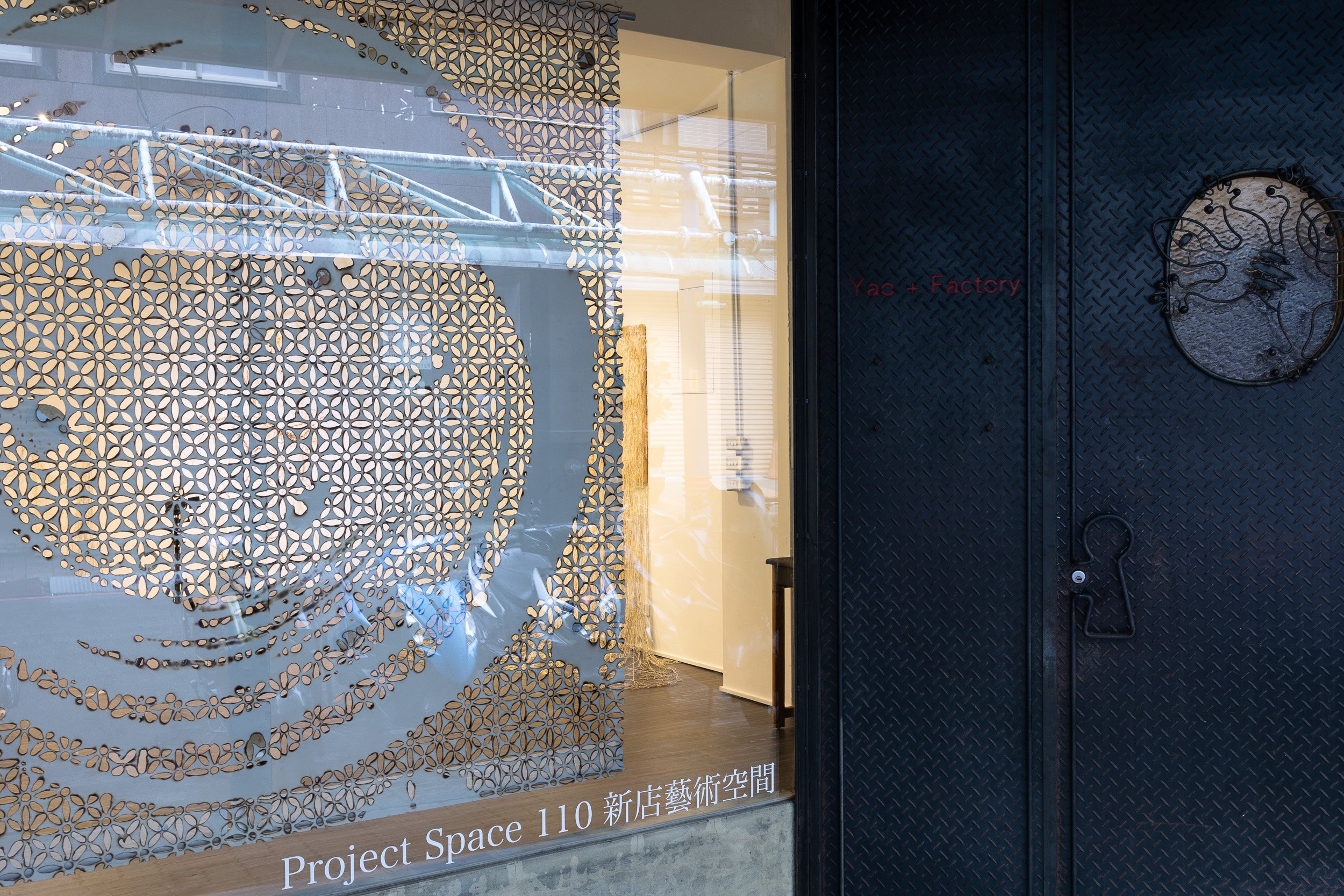
Two-person show with Tim Budden
Project Space 110 新店藝術空間, Xindian District, New Taipei City, Taiwan (2024)



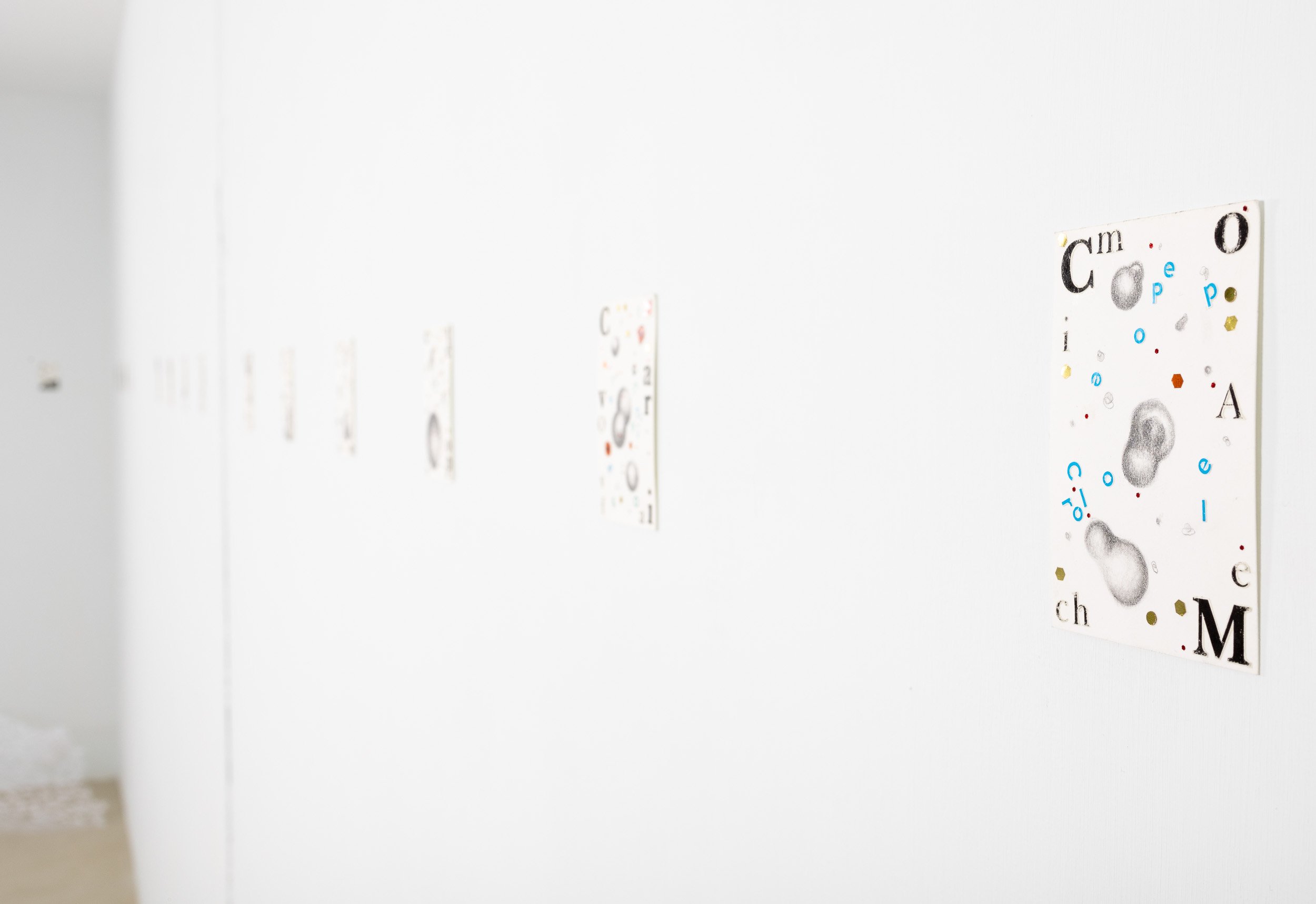
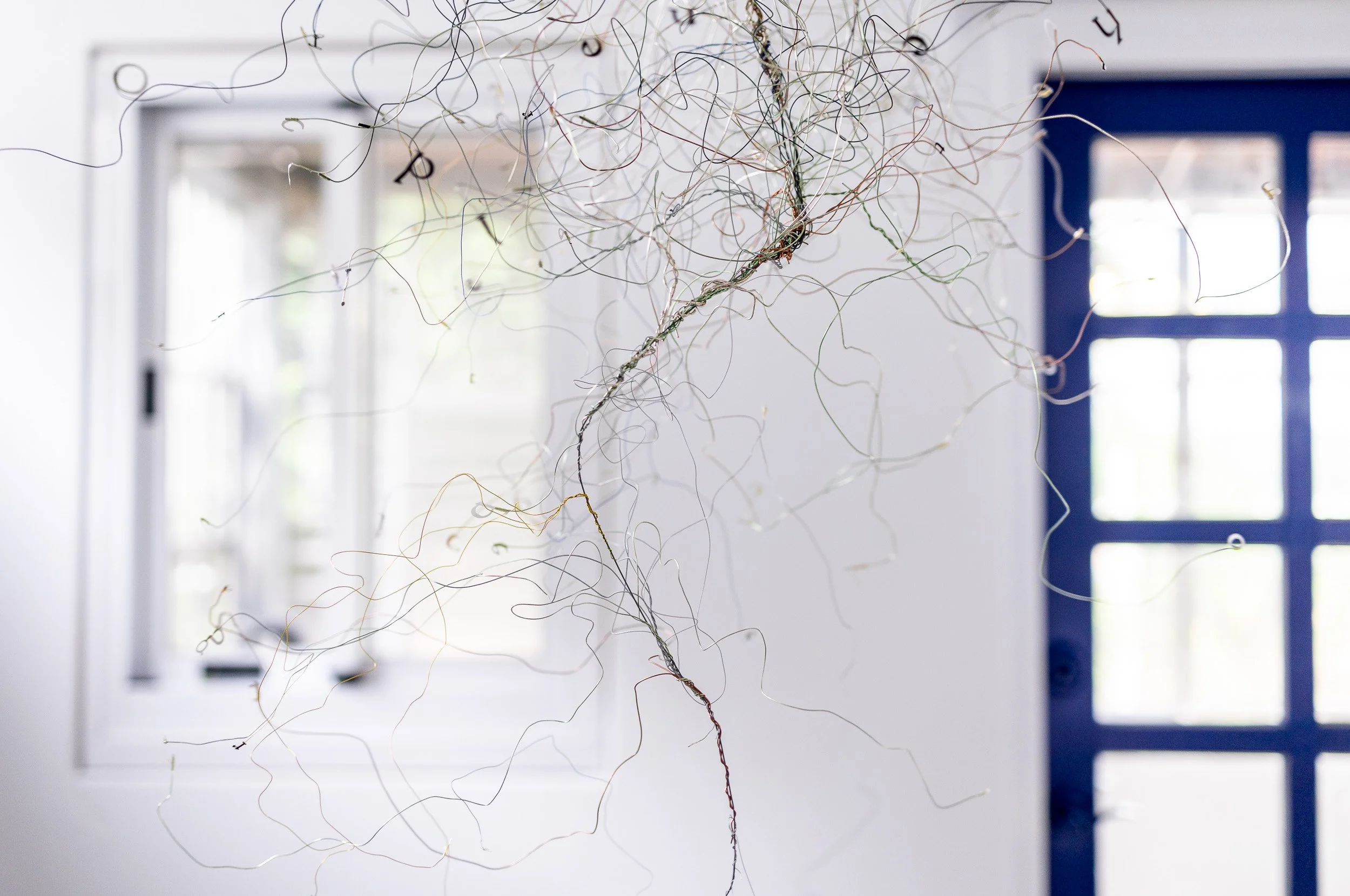
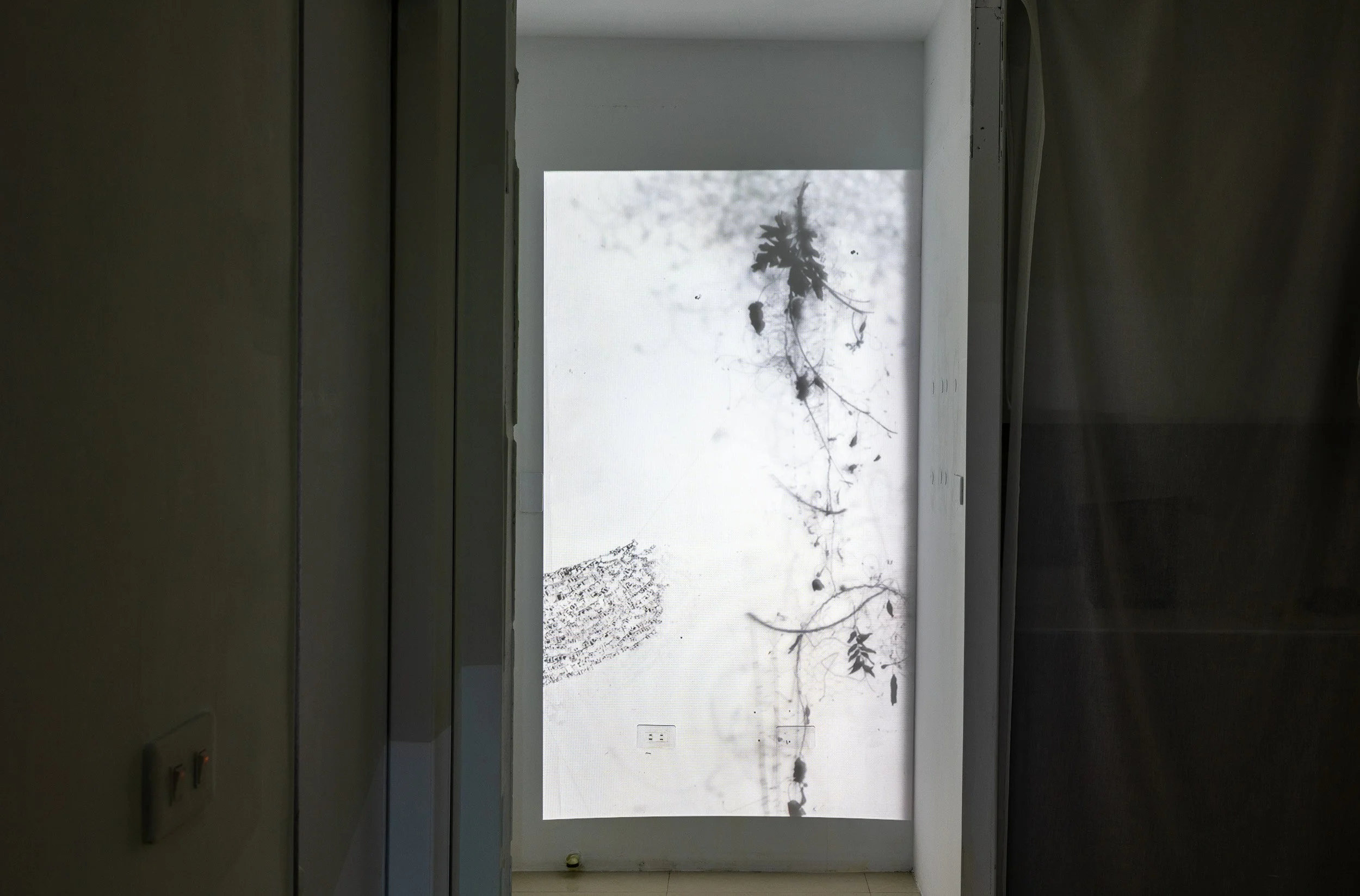
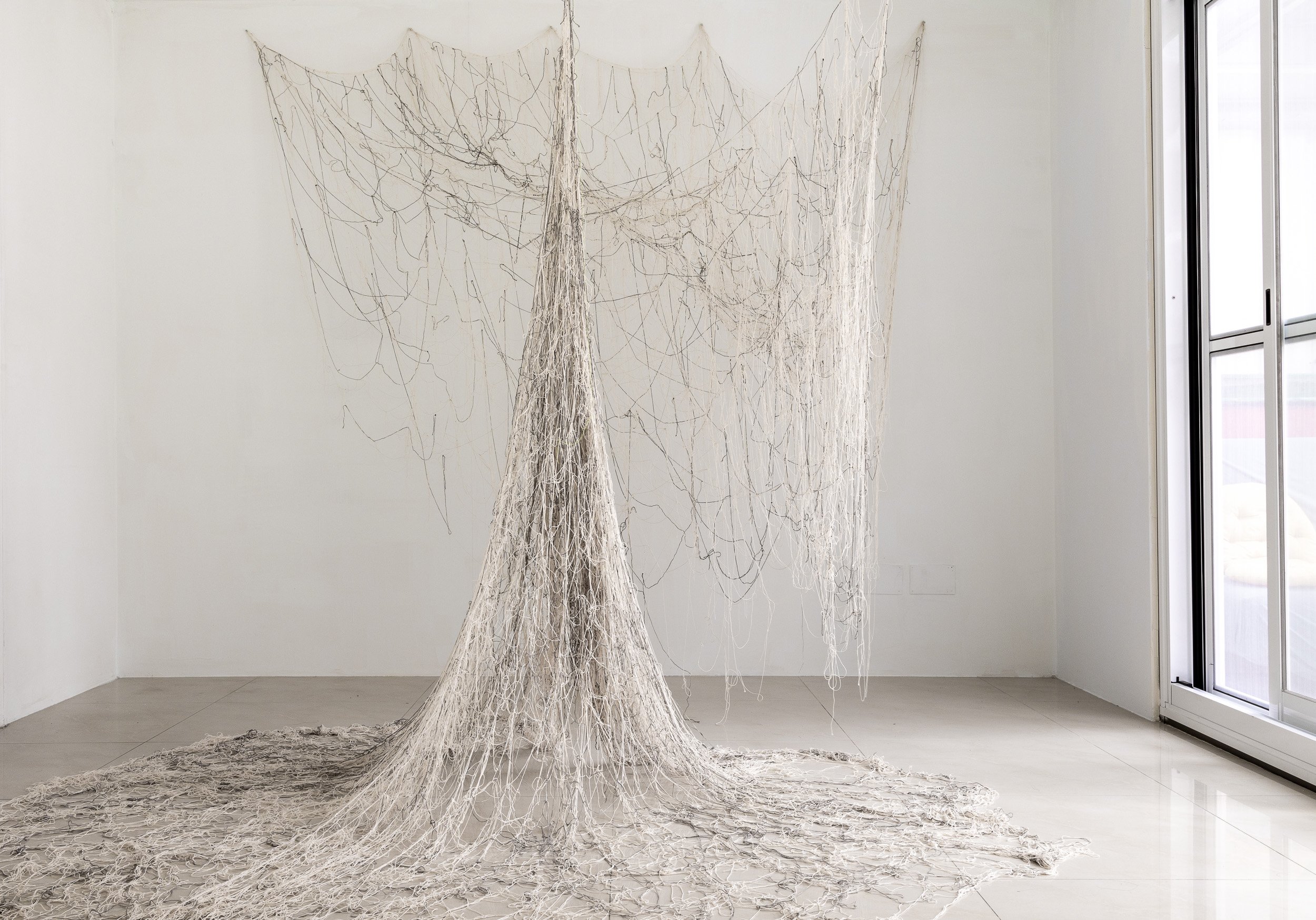
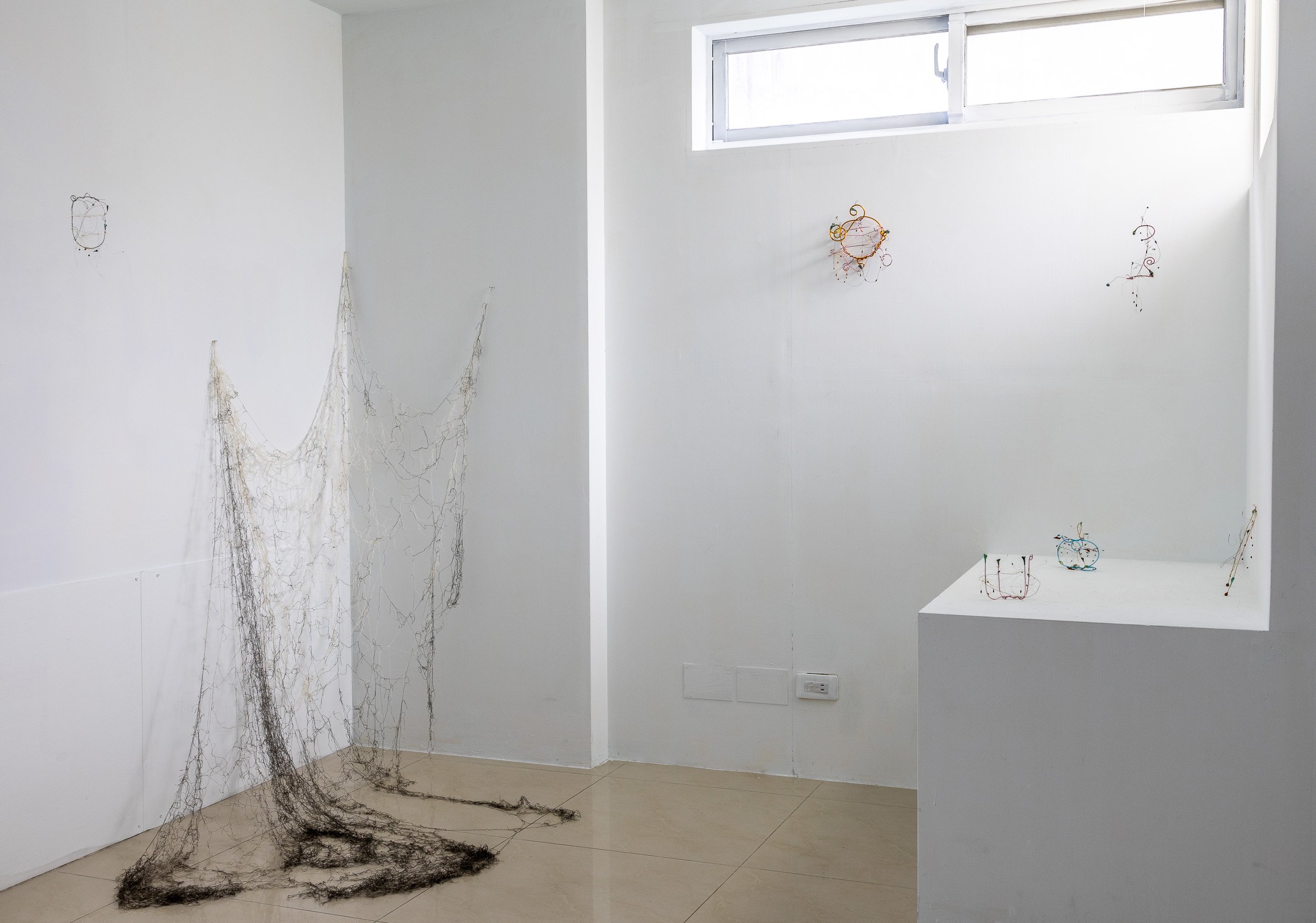
Language | Line 文字|線
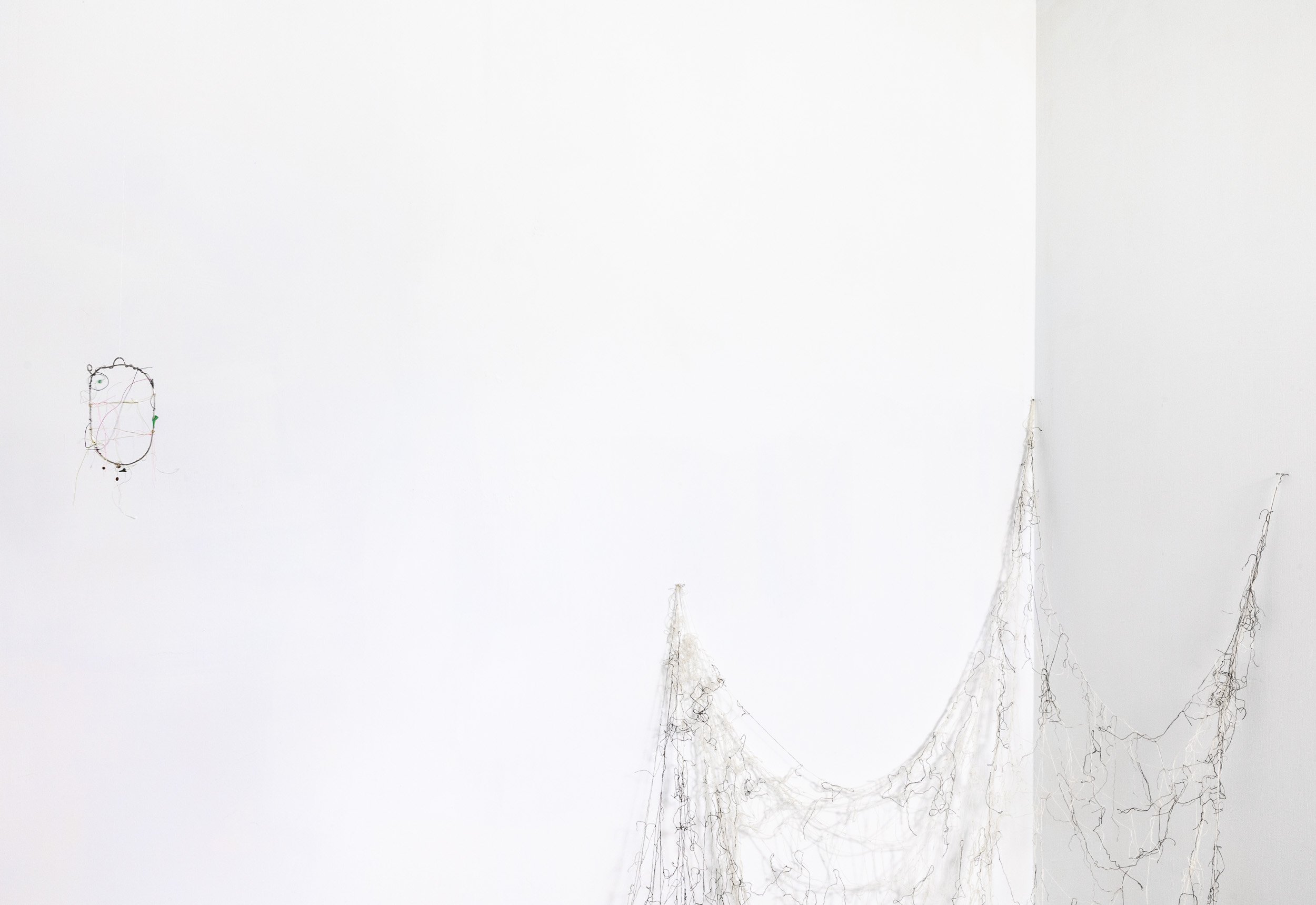
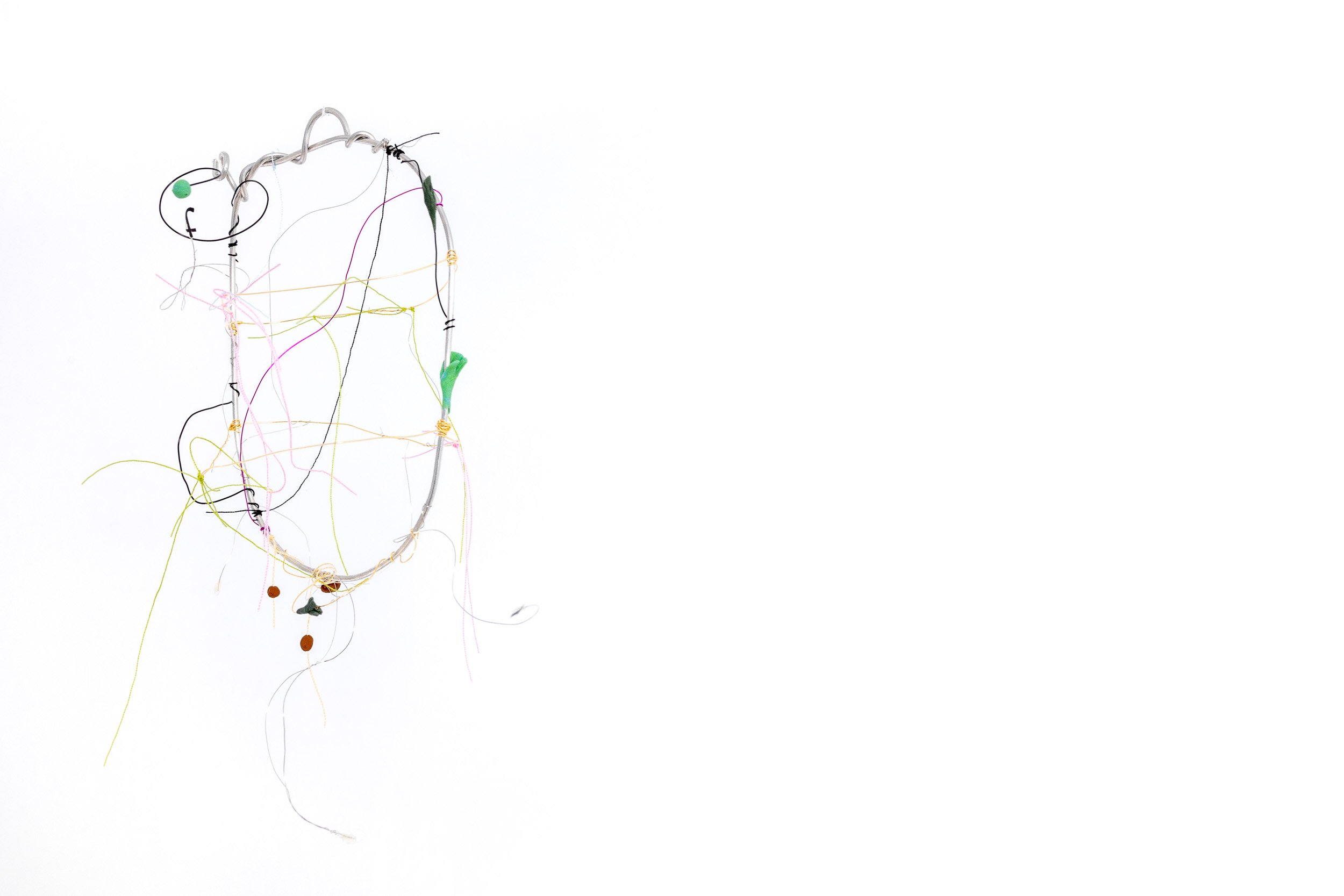
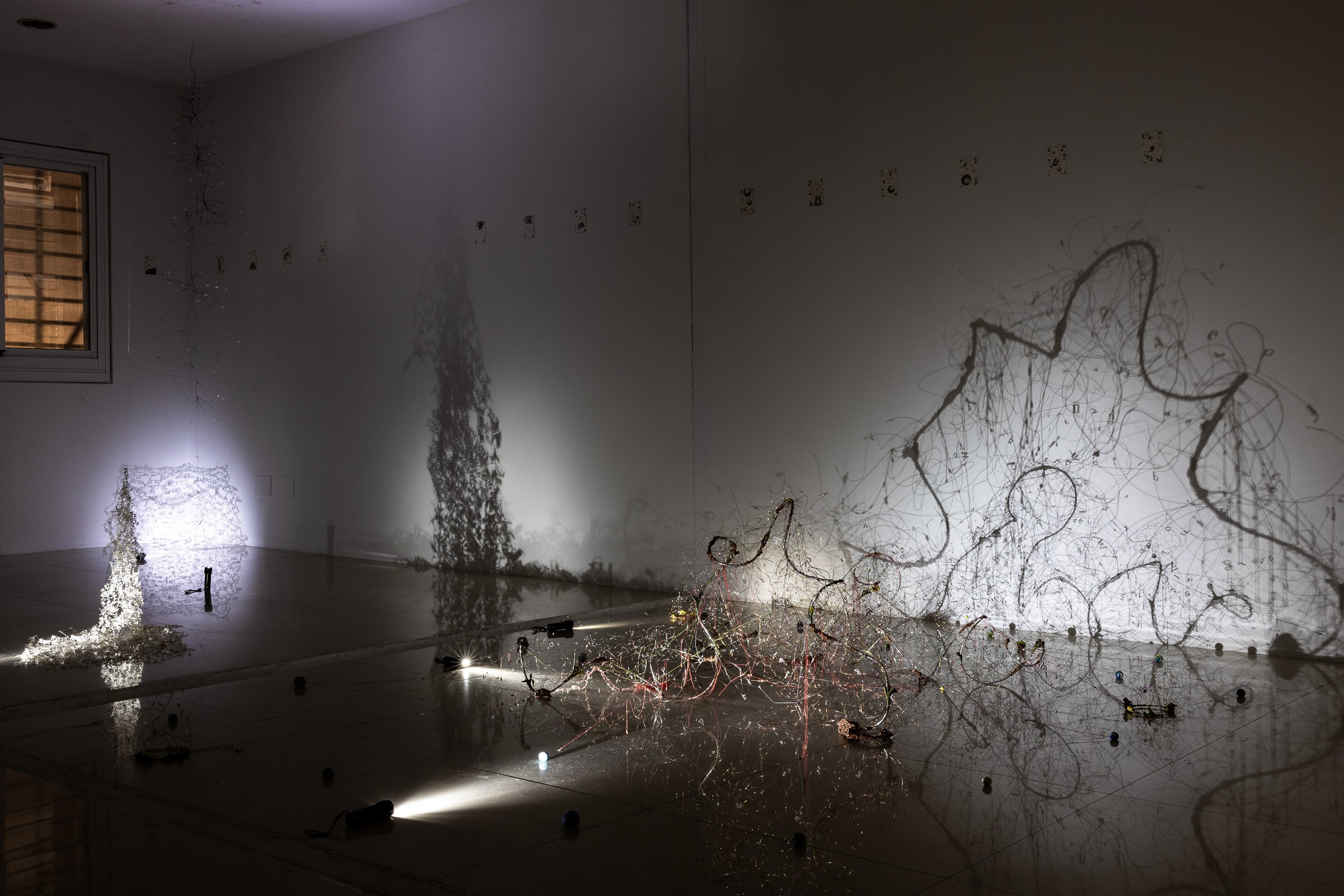
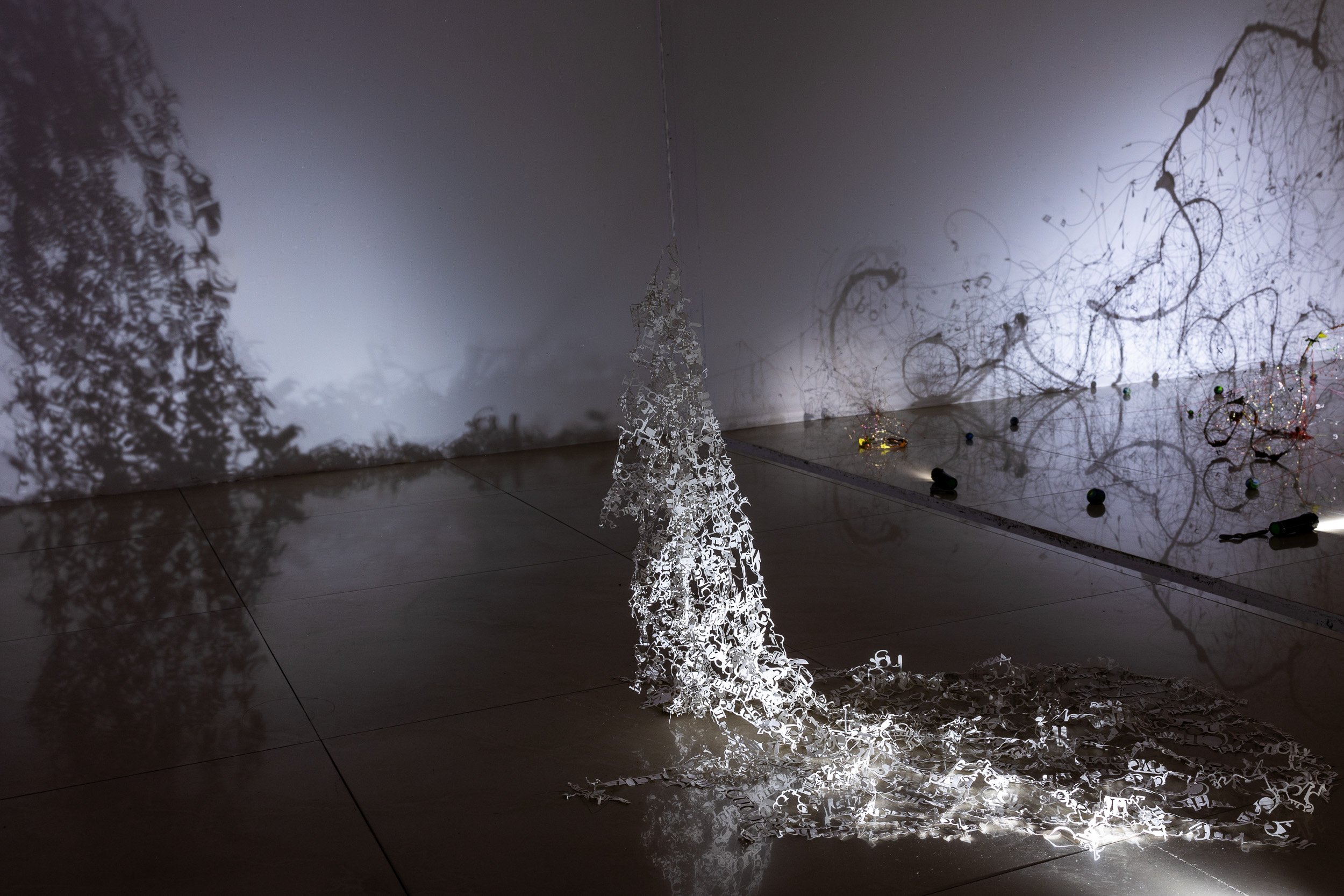
Solo show at Gallery 80A 軟輪畫廊, Taipei, Taiwan (2024)
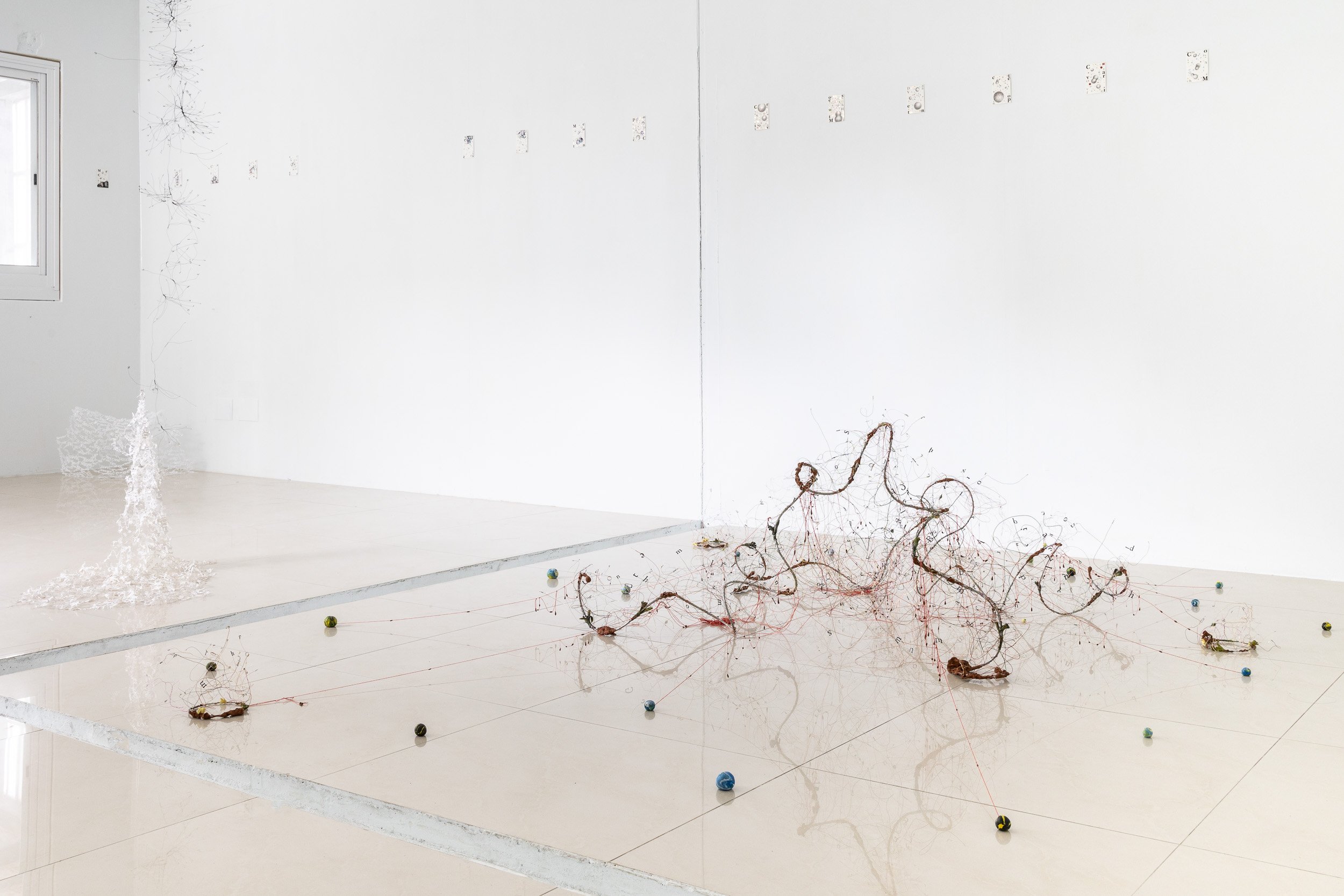
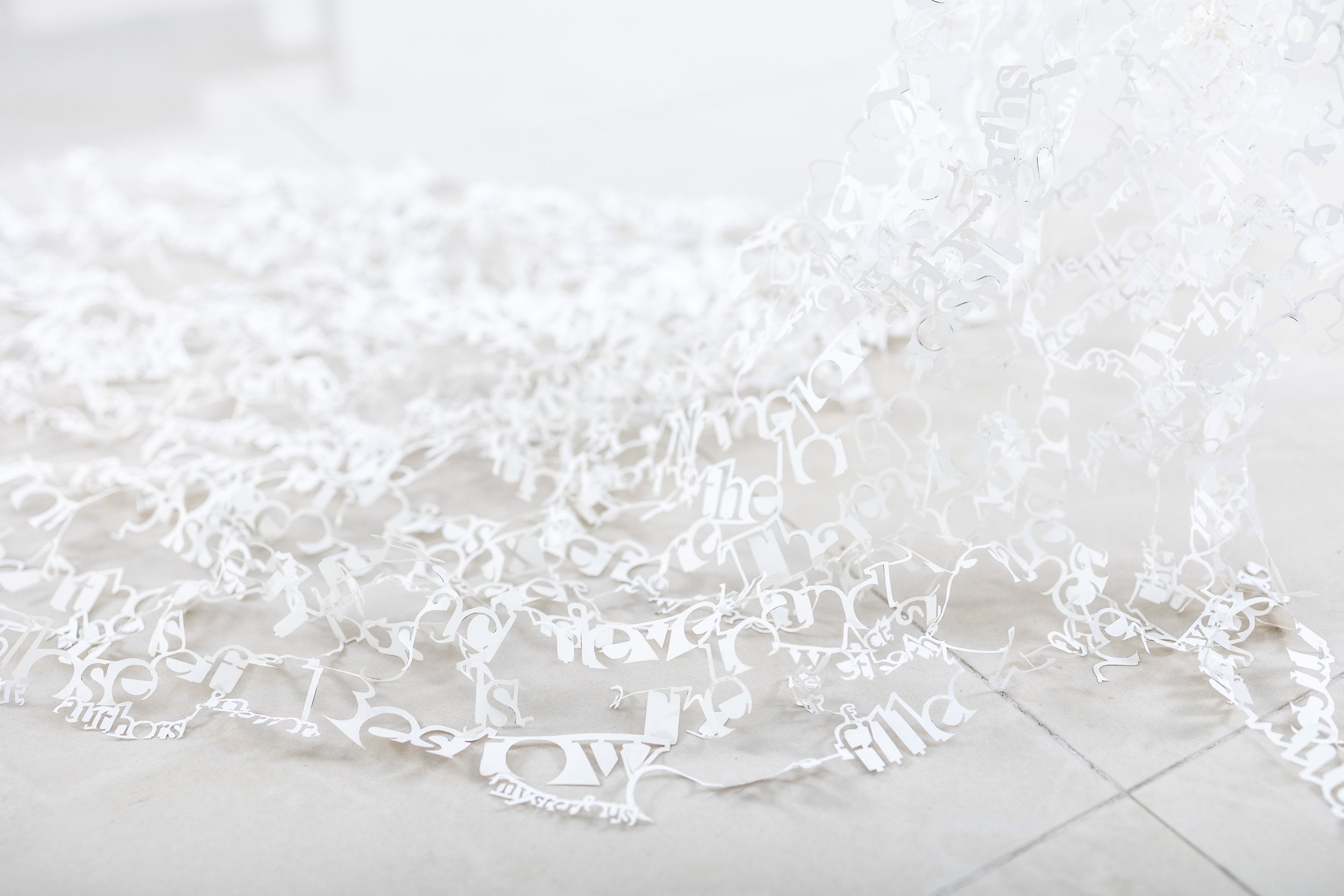
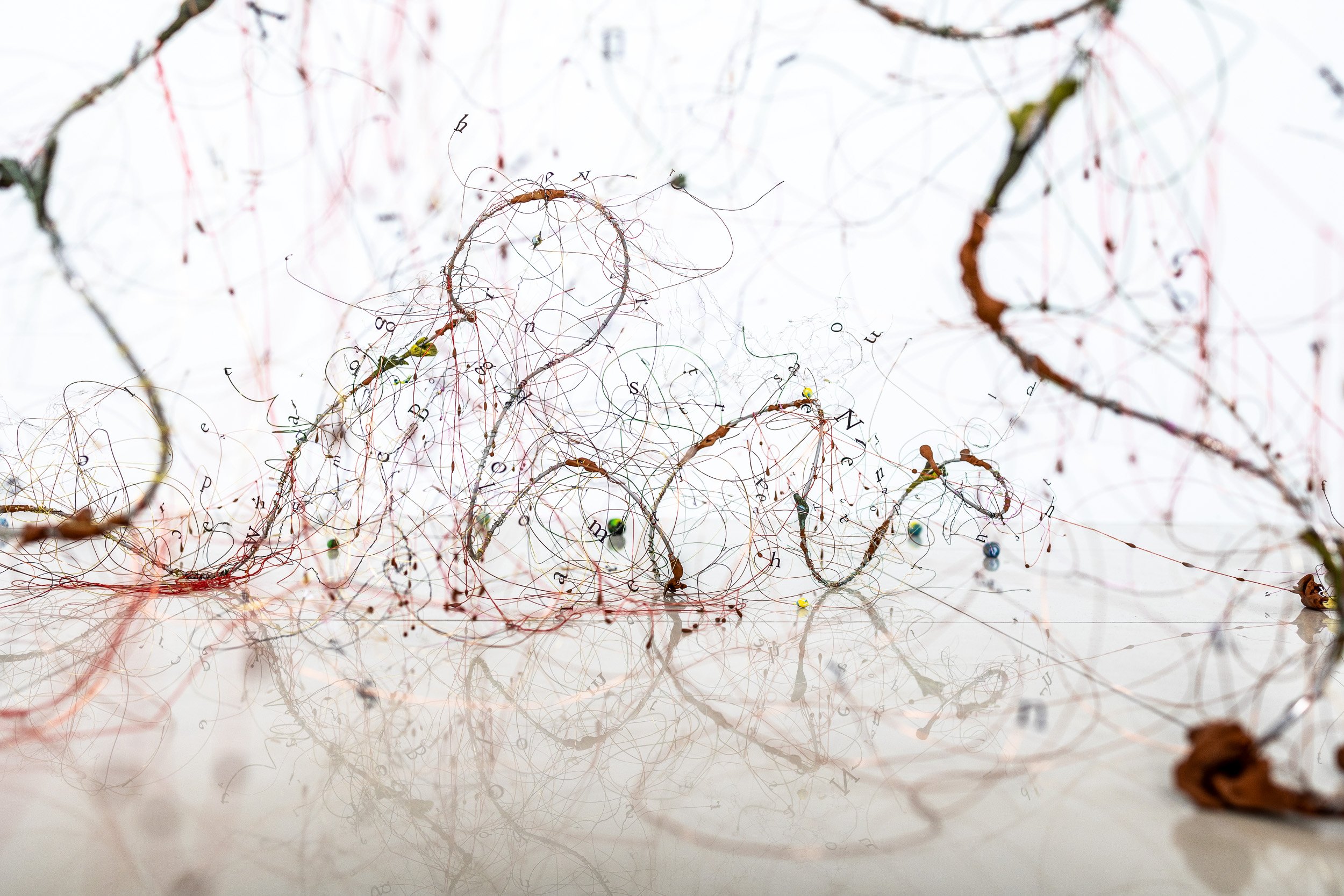
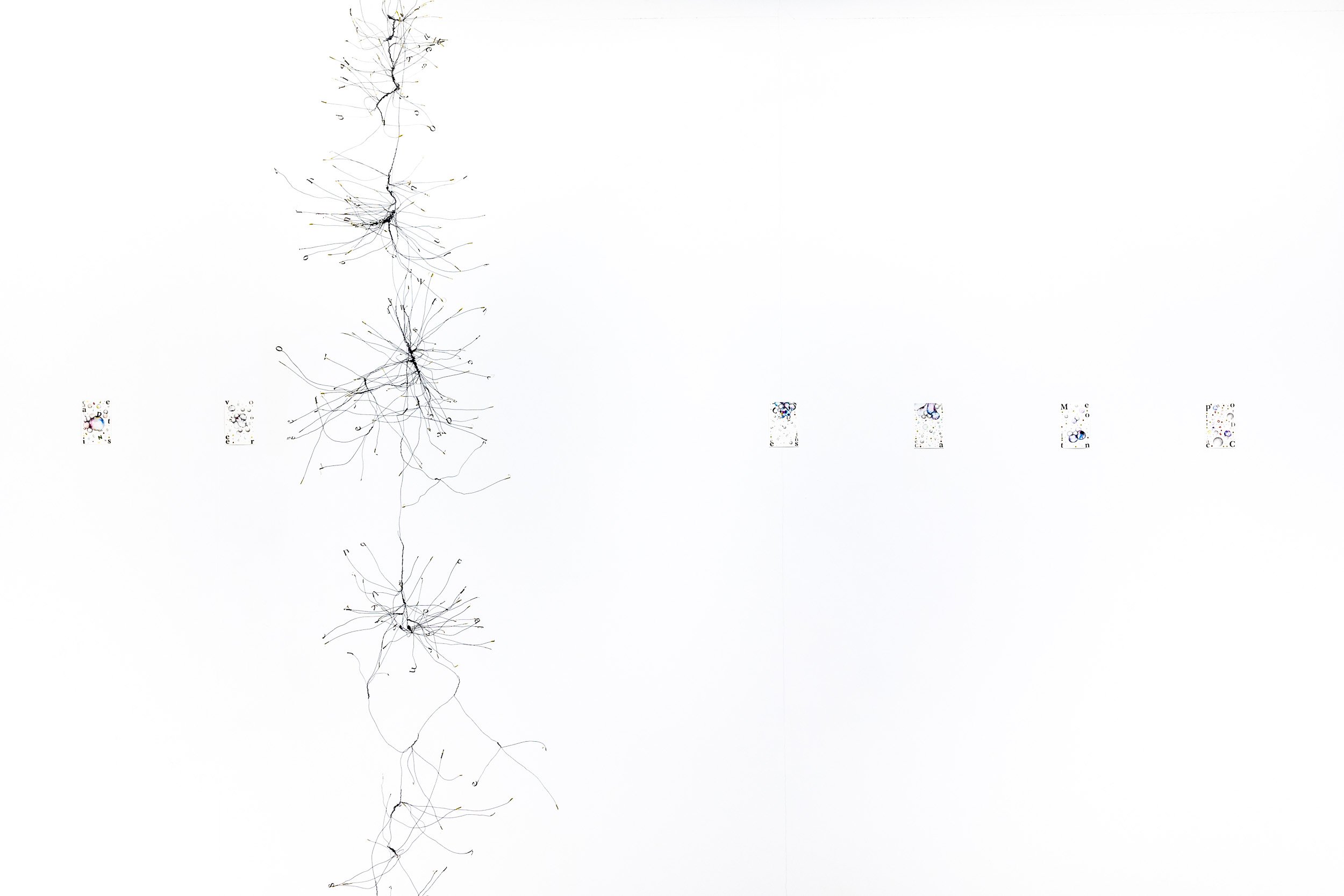
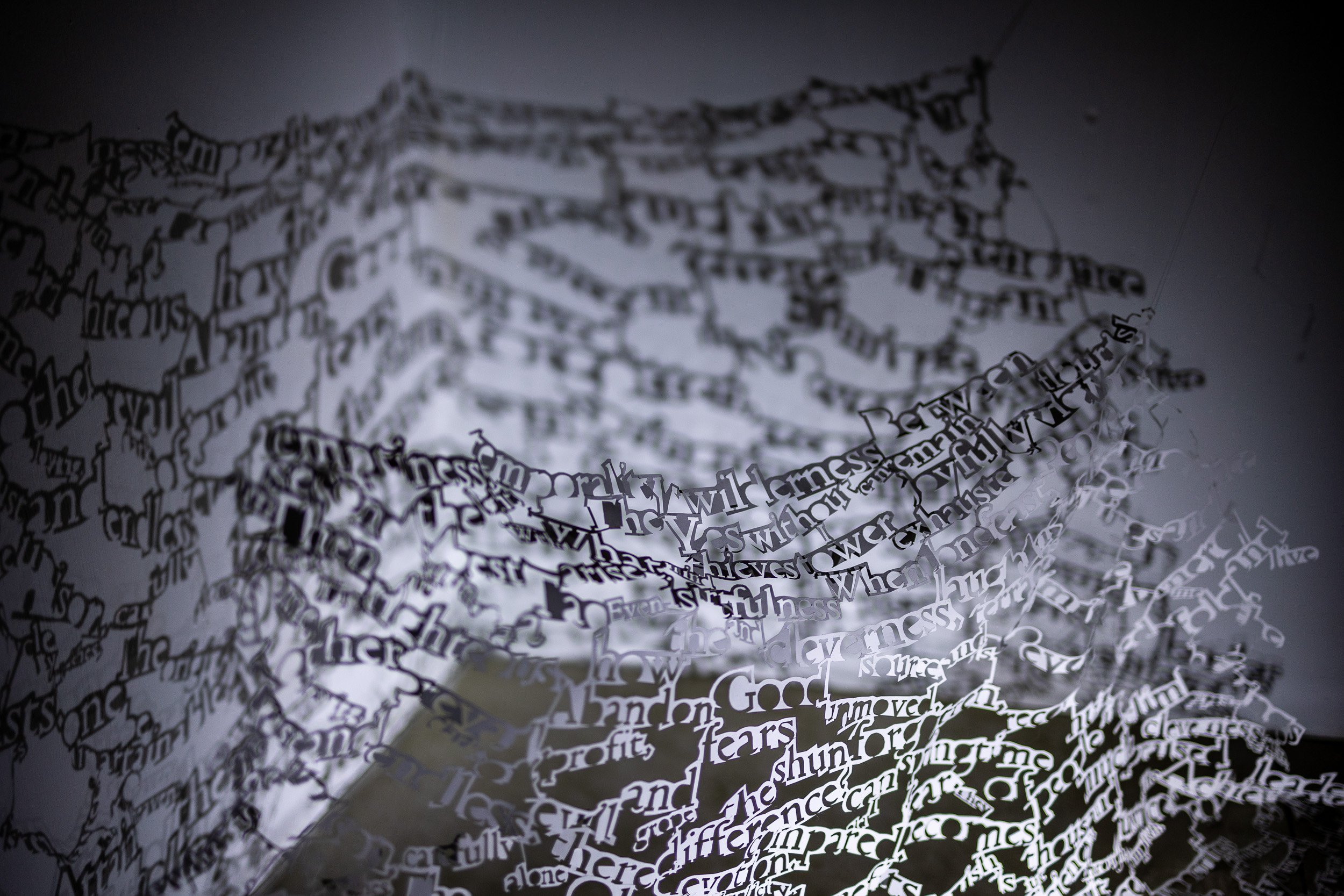
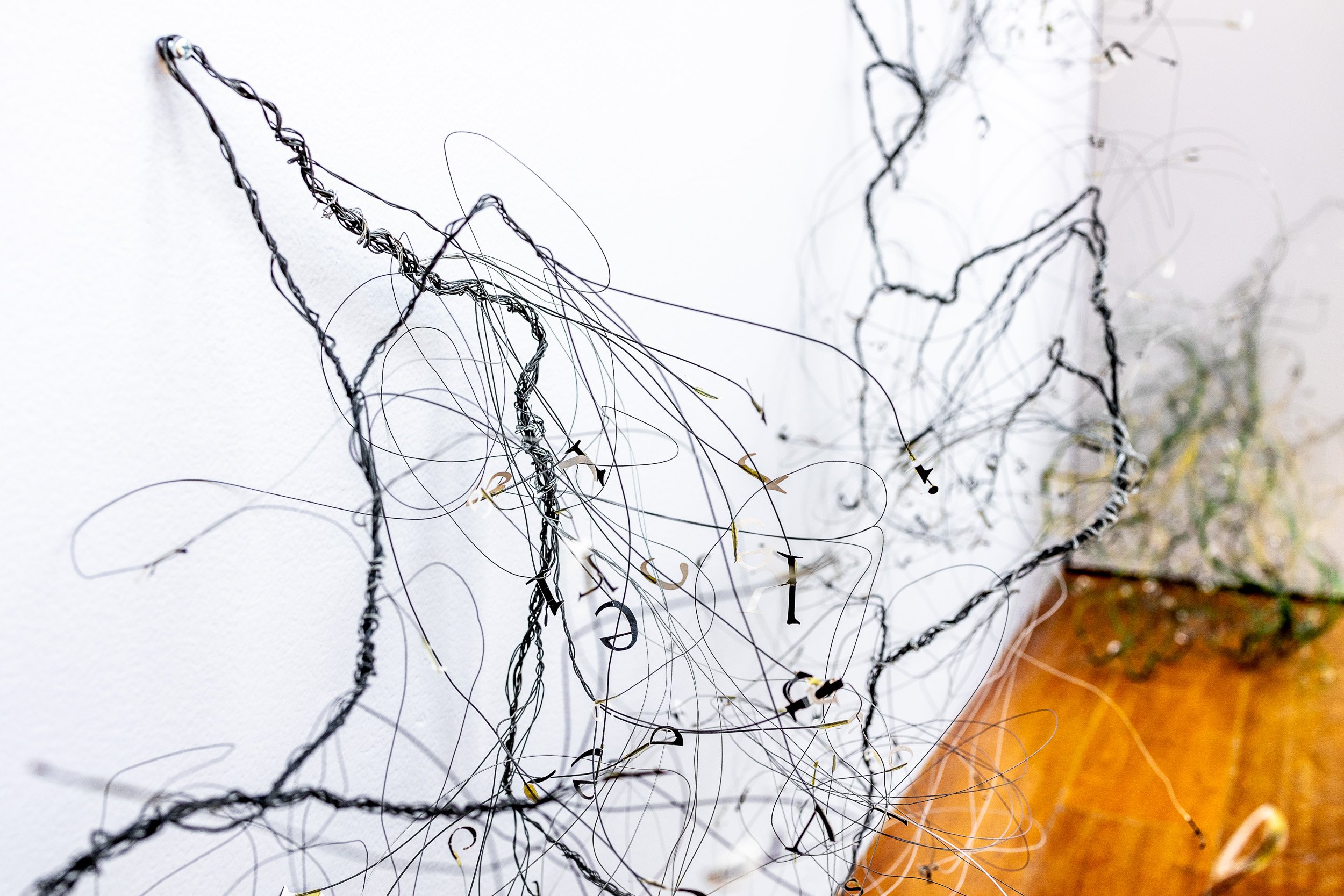
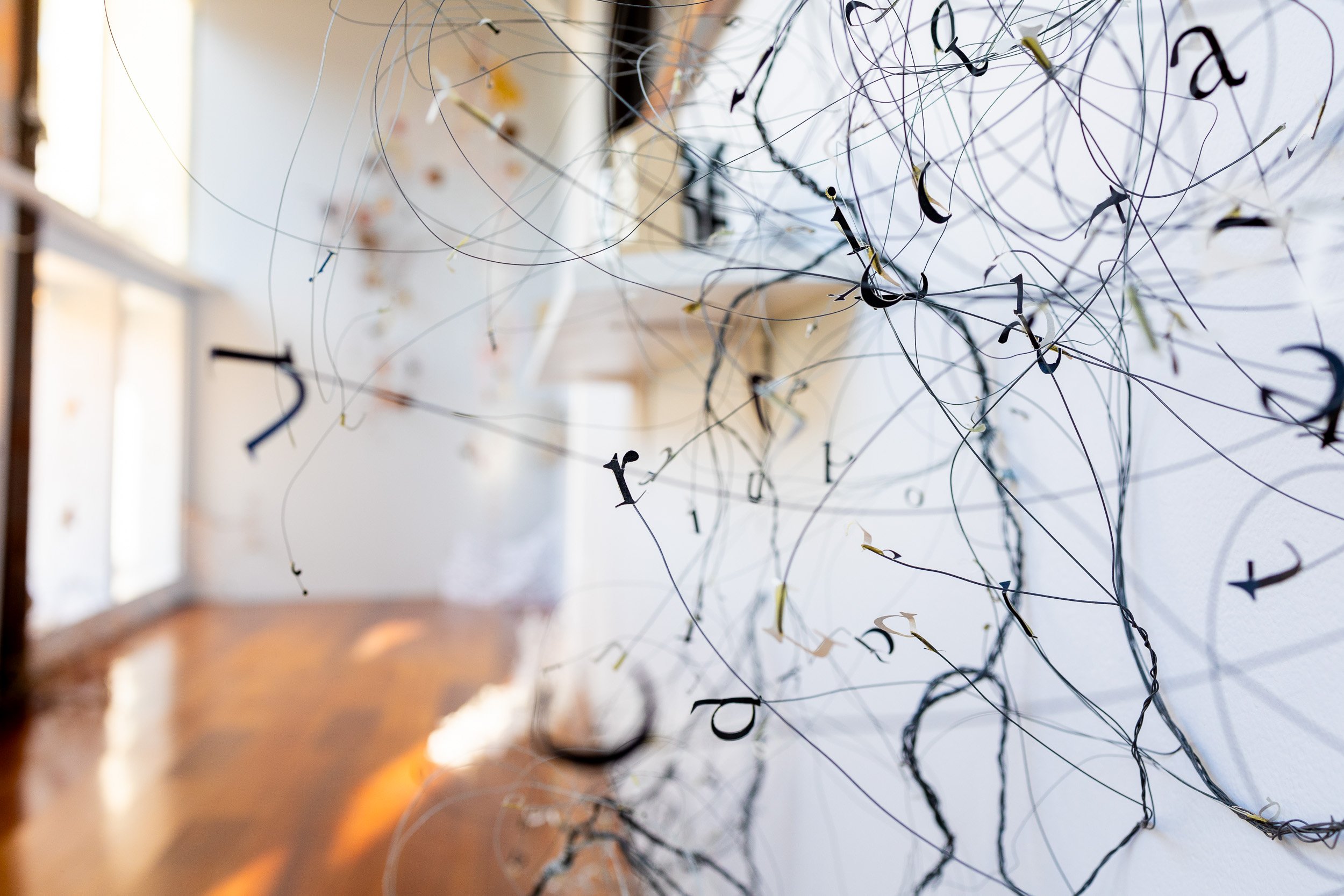
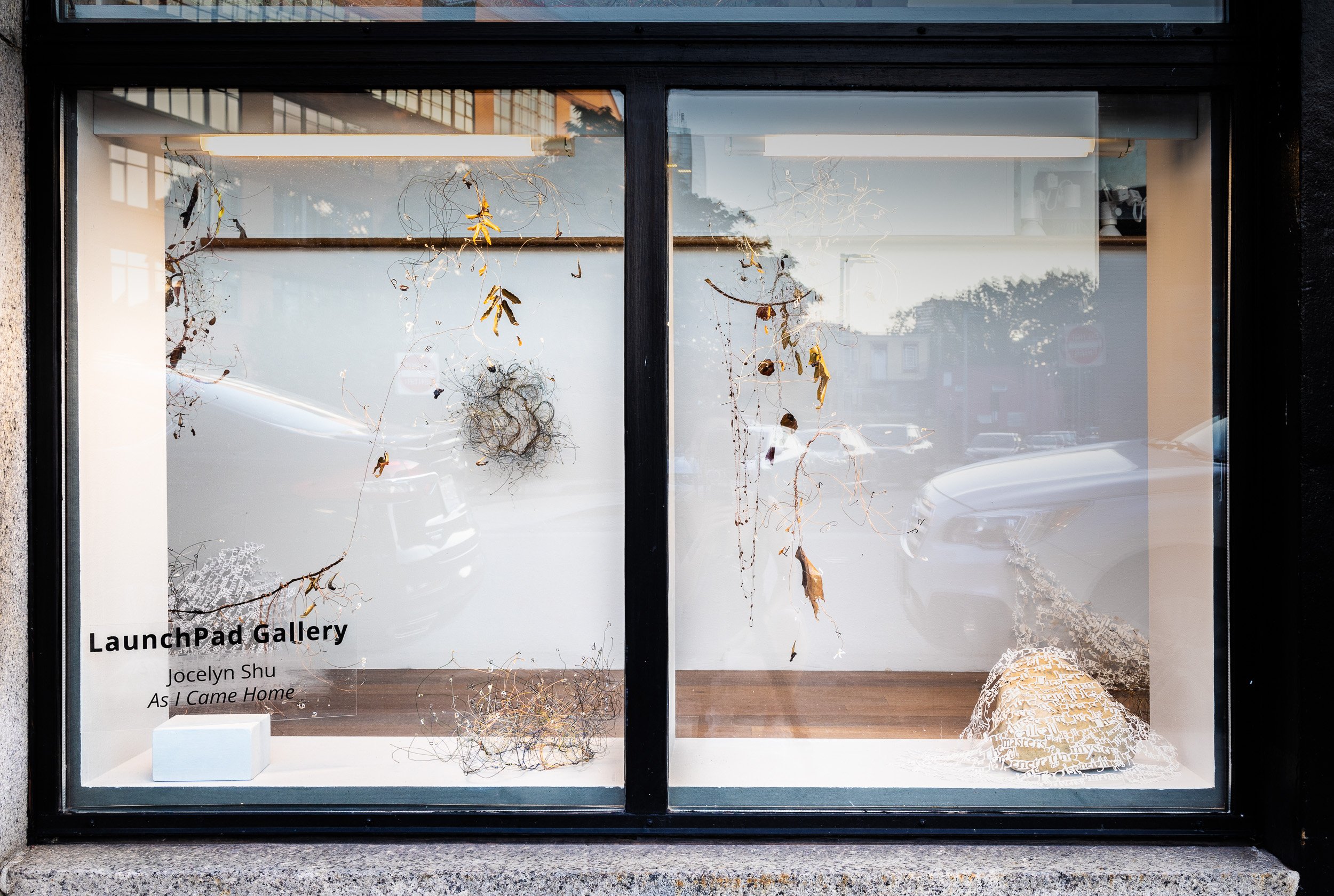
As I Came Home
Solo show at LaunchPad, Boston Sculptors Gallery (2023)


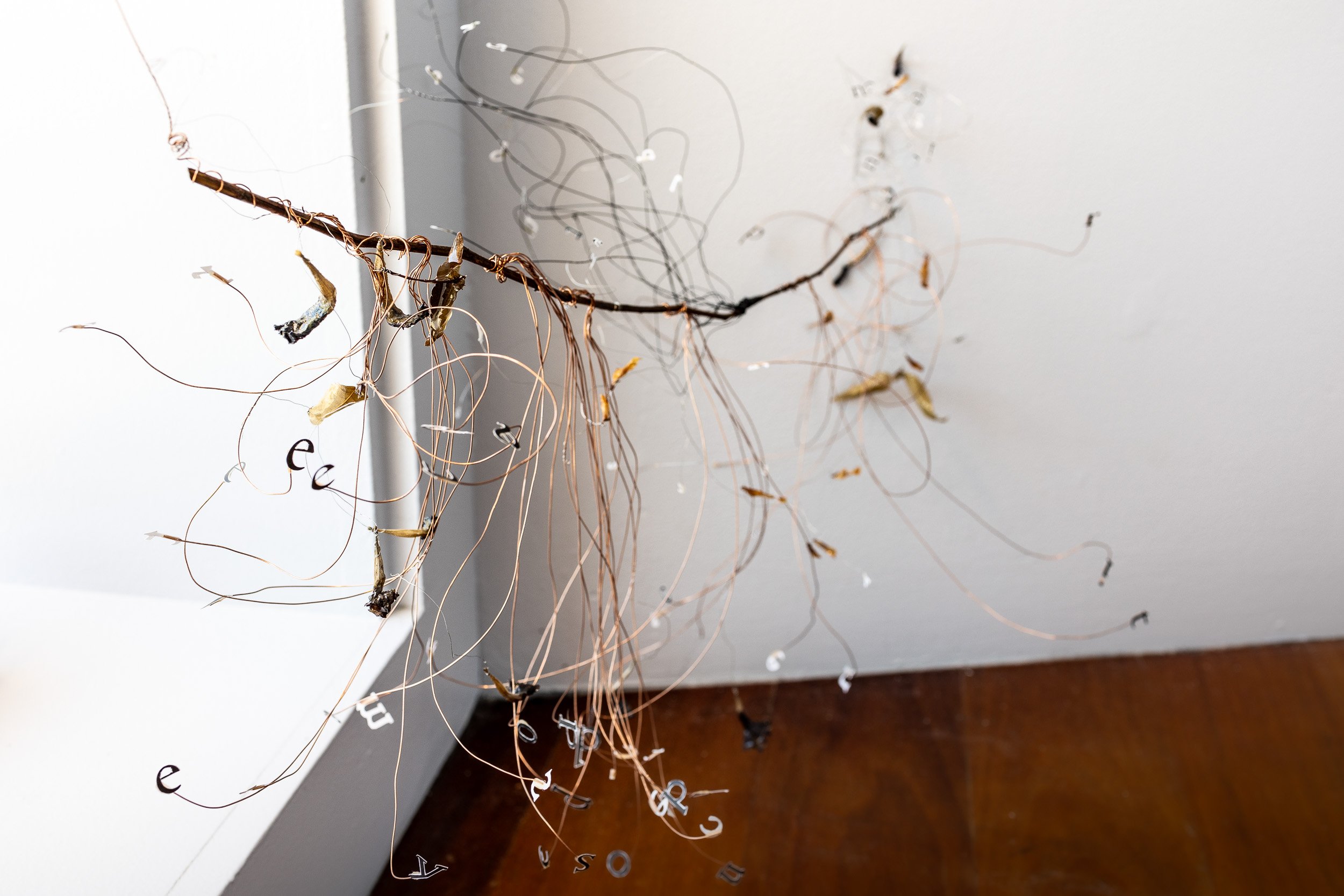
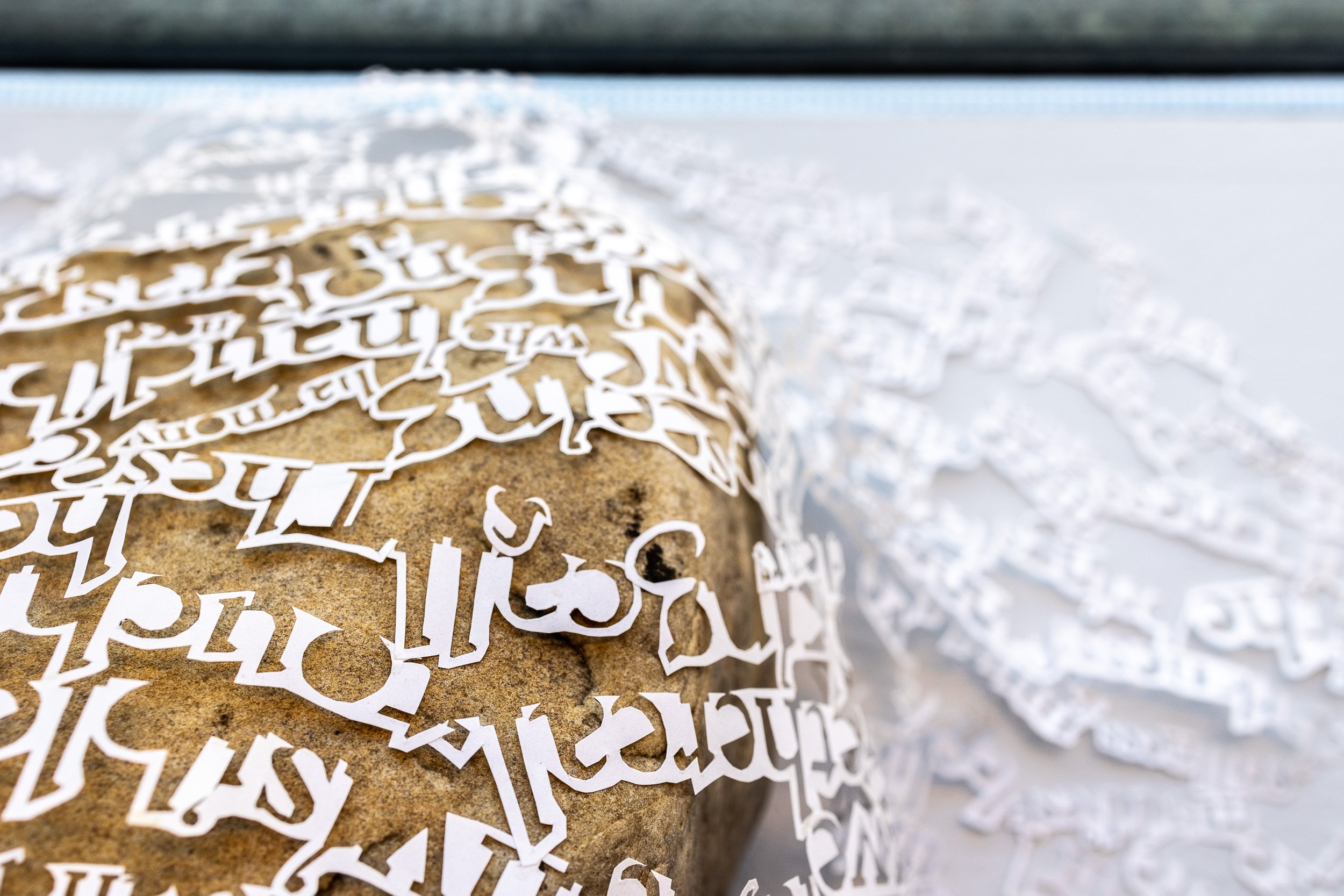
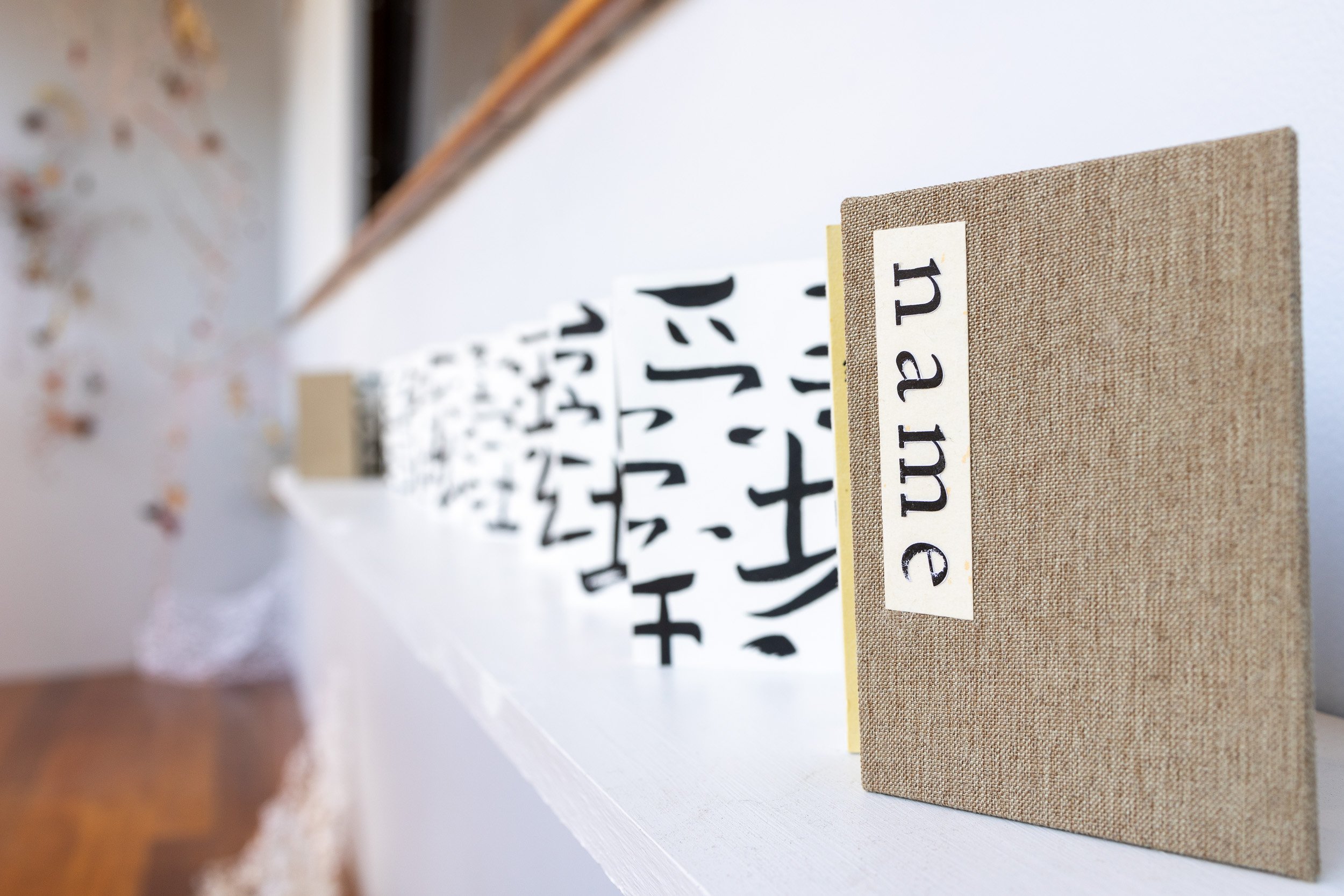
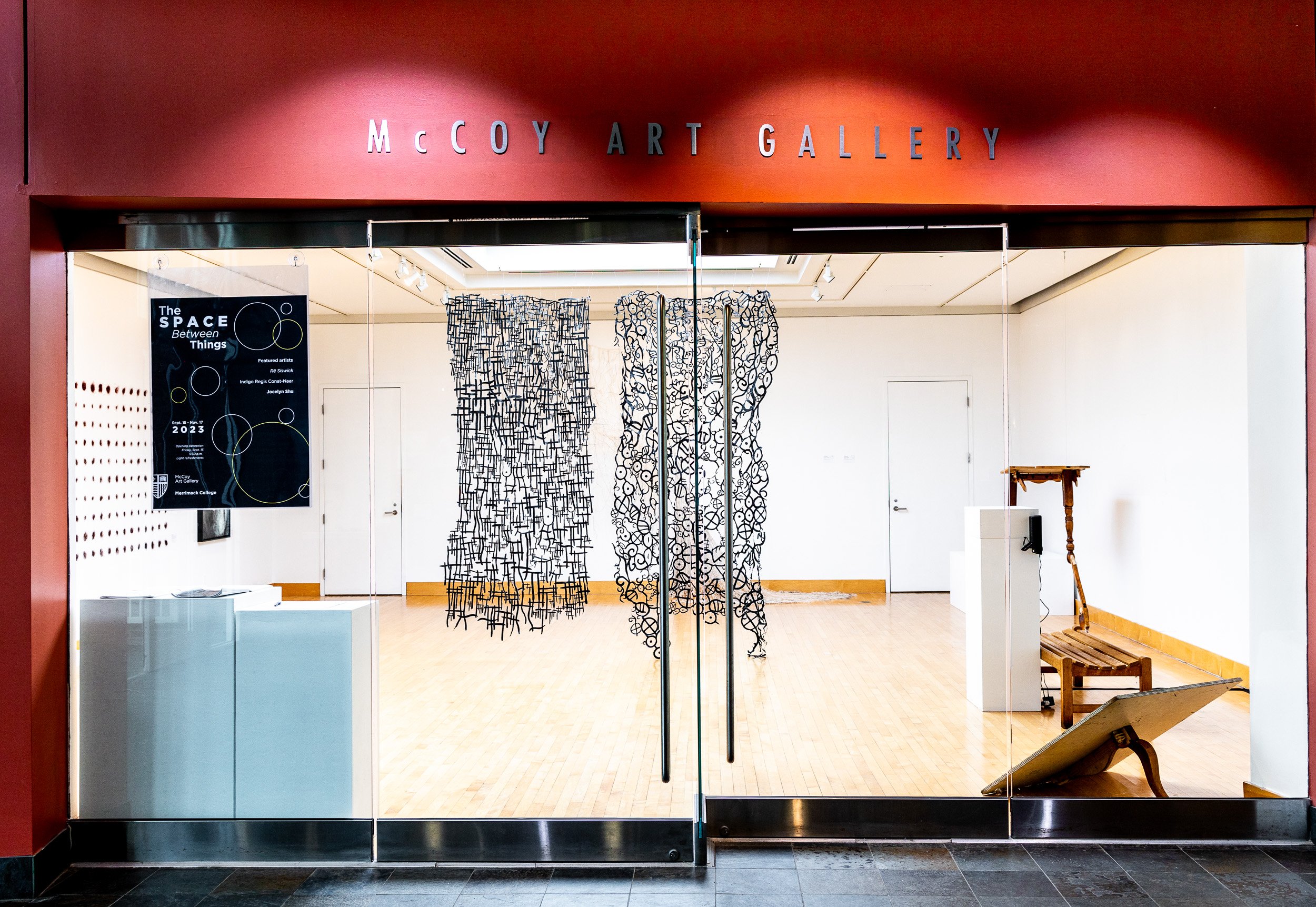
The Space Between Things
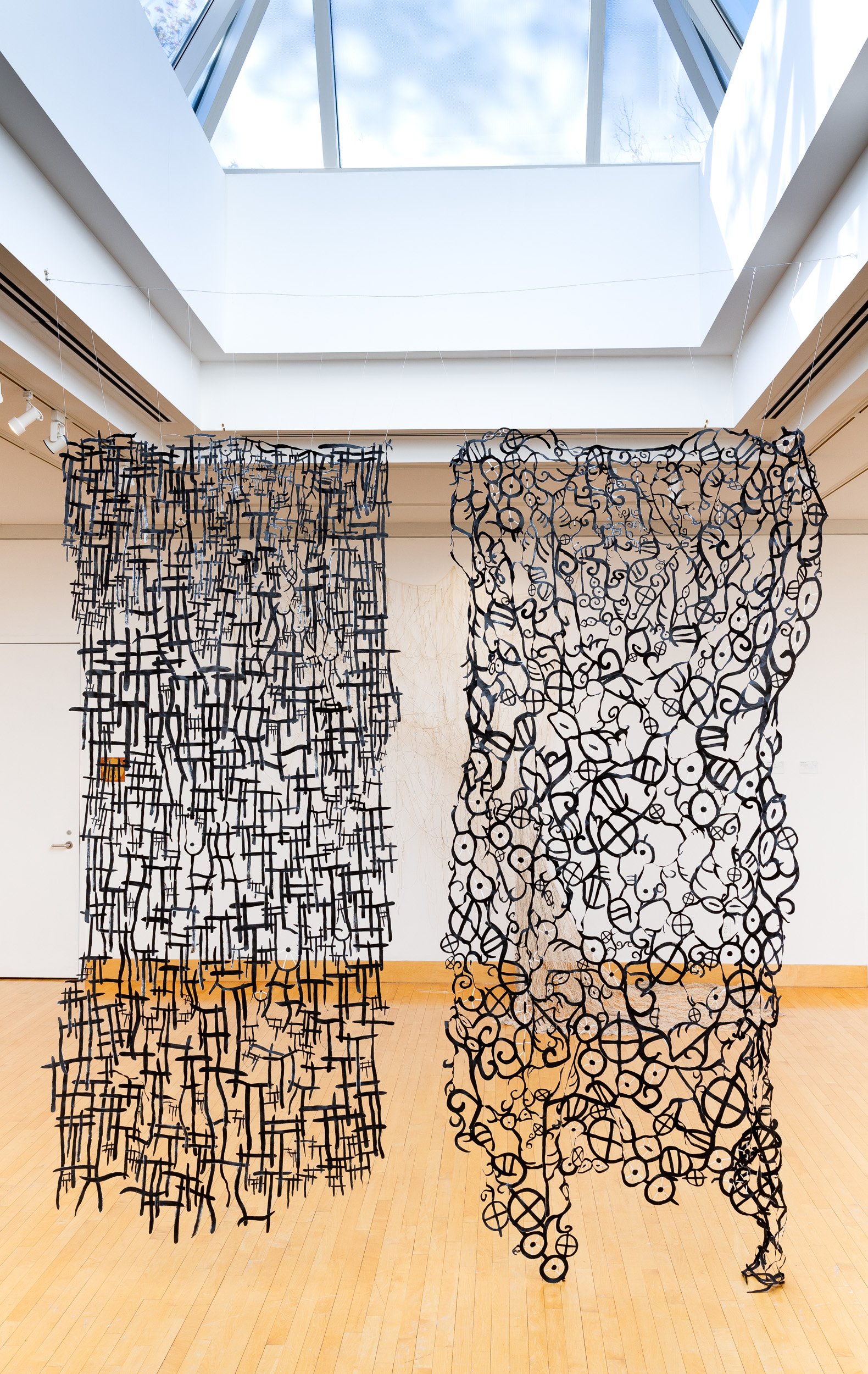
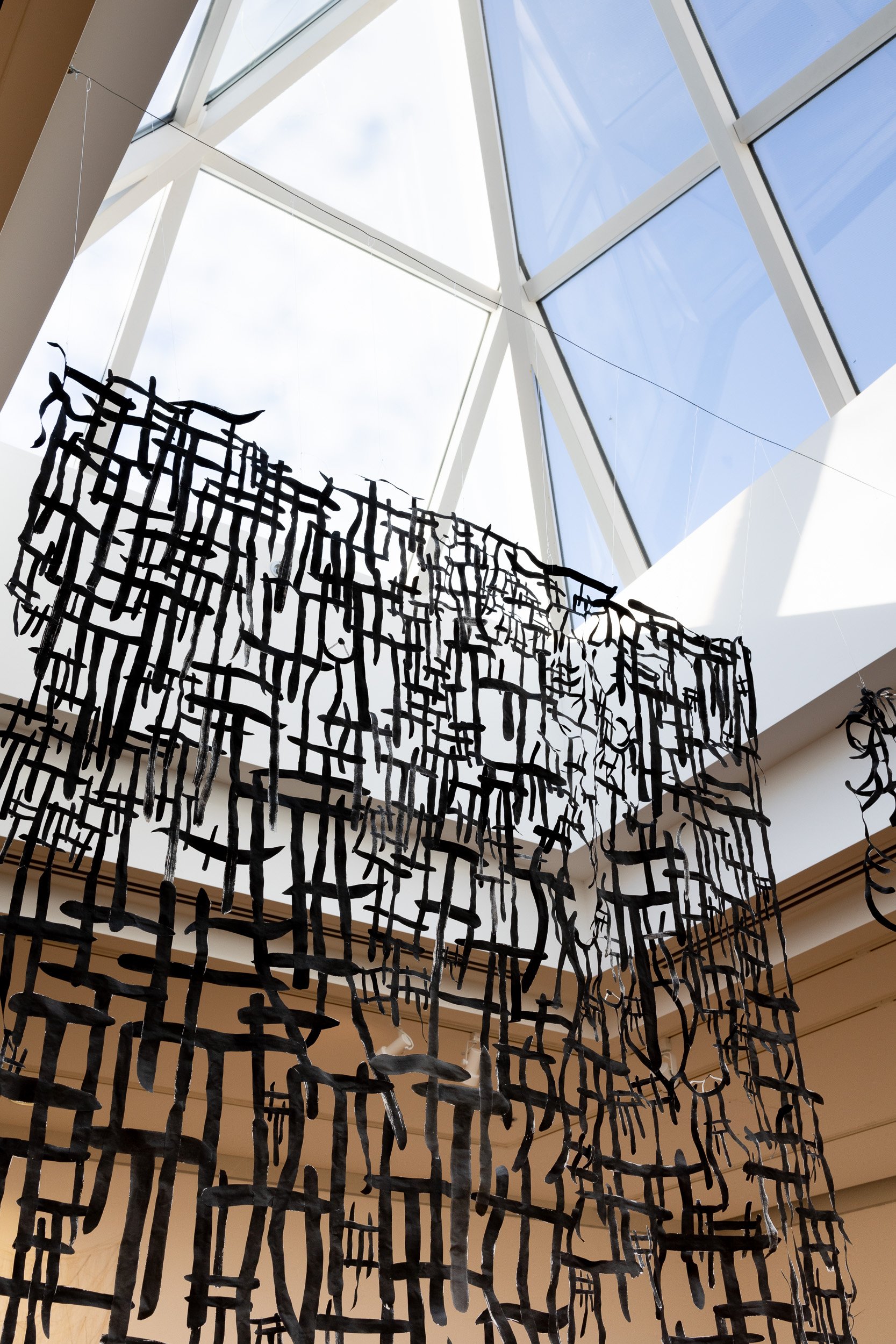
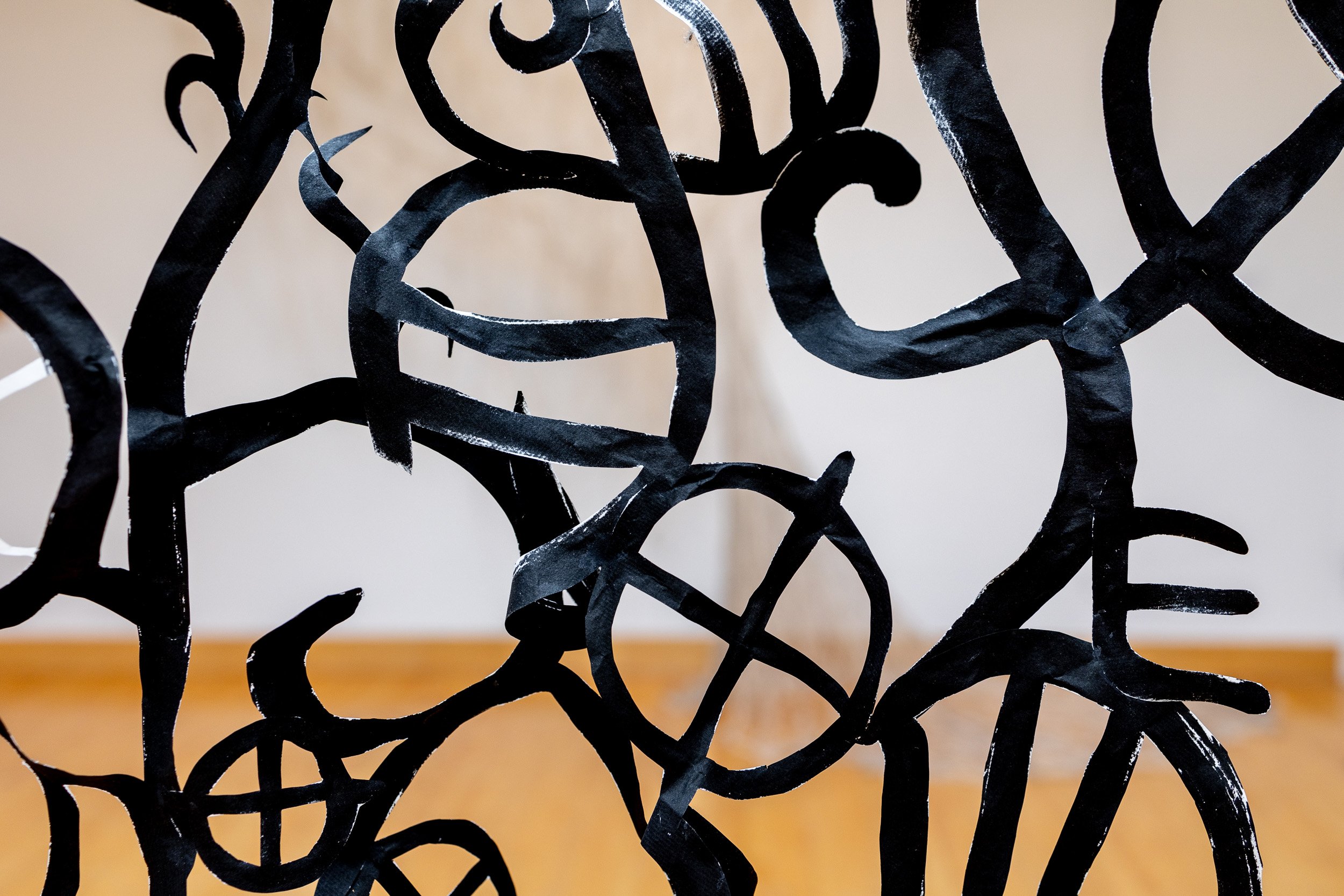
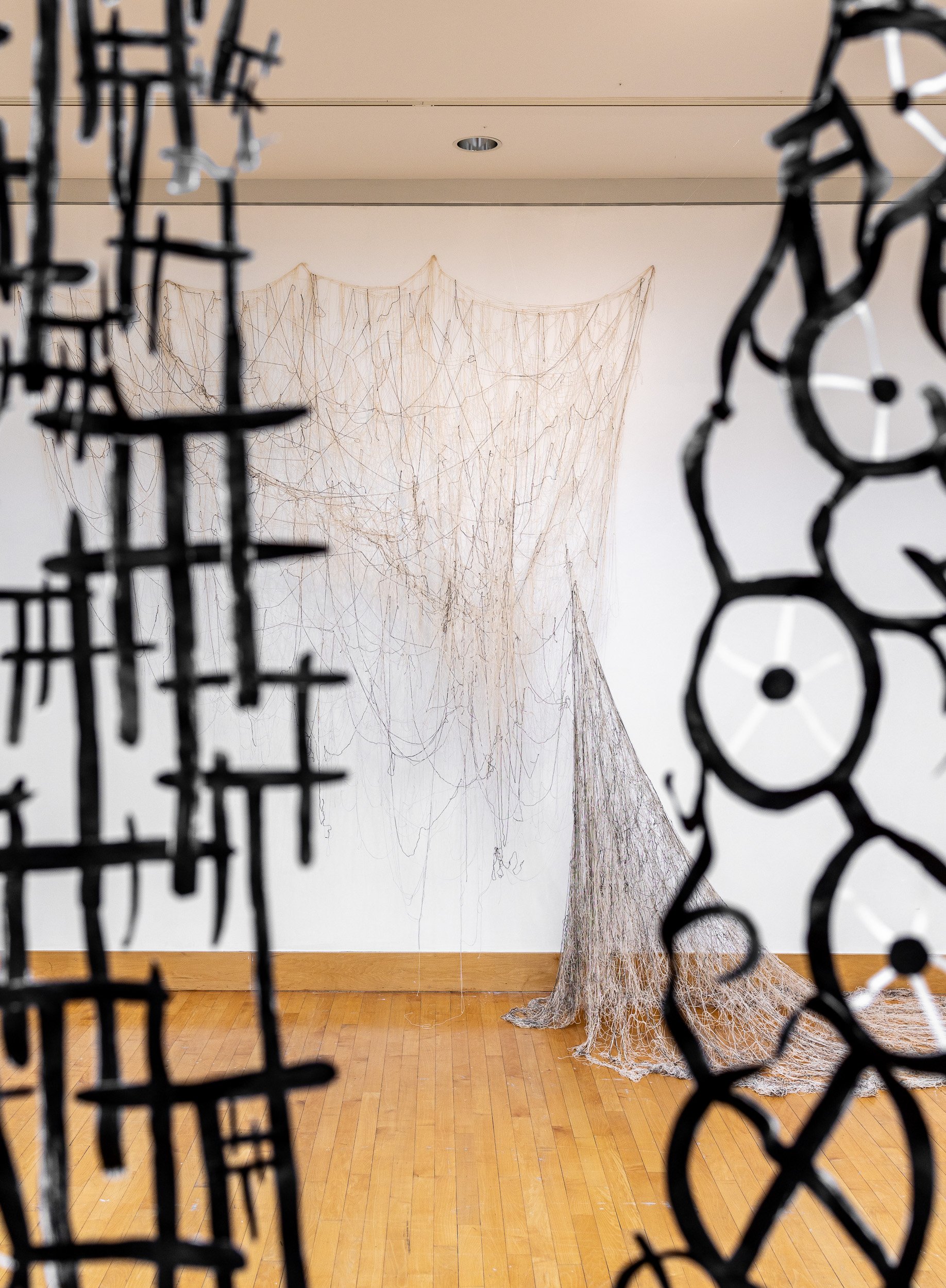
Three-person show at McCoy Gallery, Merrimack College (2023)
Artists: Indigo Regis Conat-Naar, Rē Siswick, Jocelyn Shu. Curated by Jonathan Latiano.

Messages for the Future
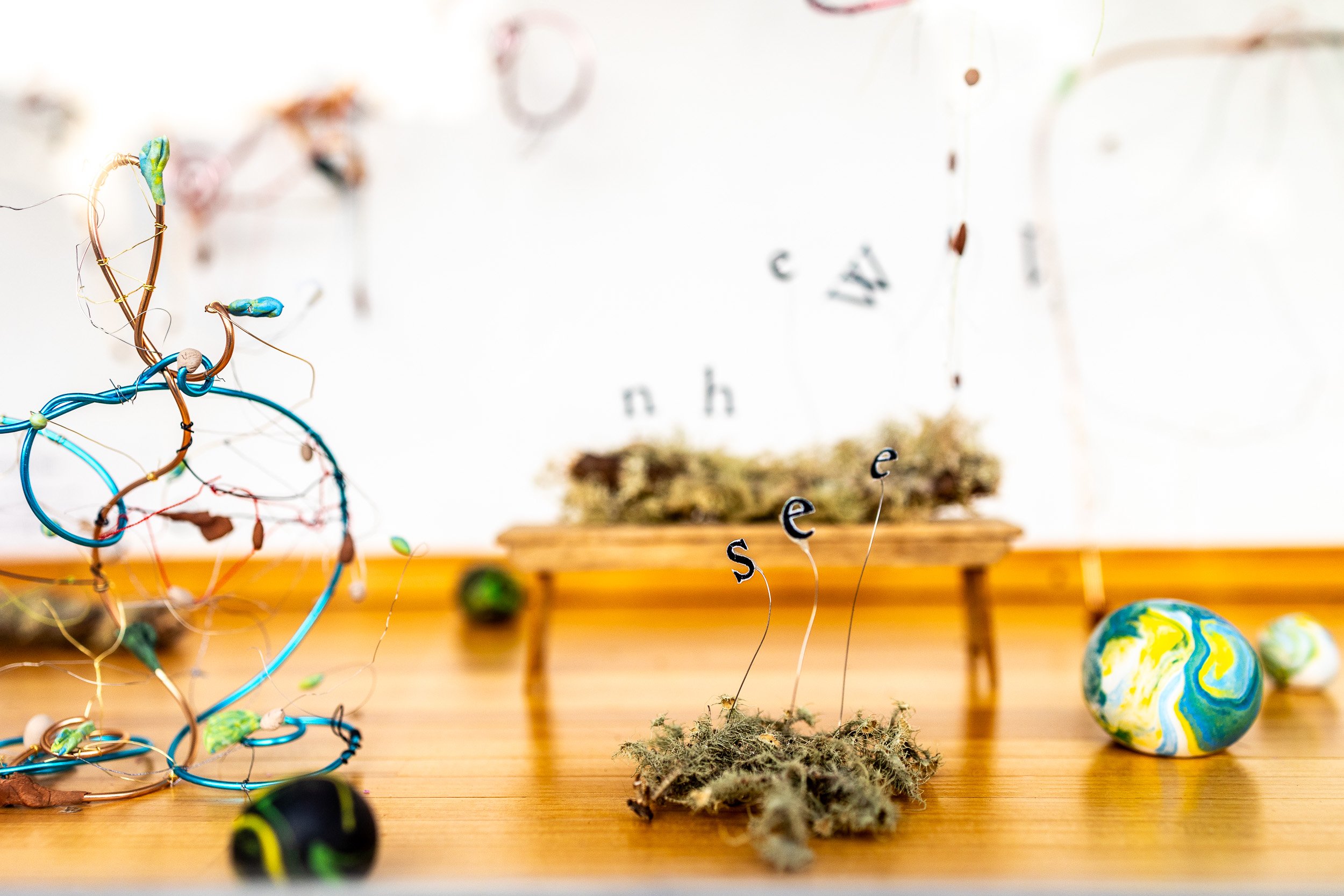
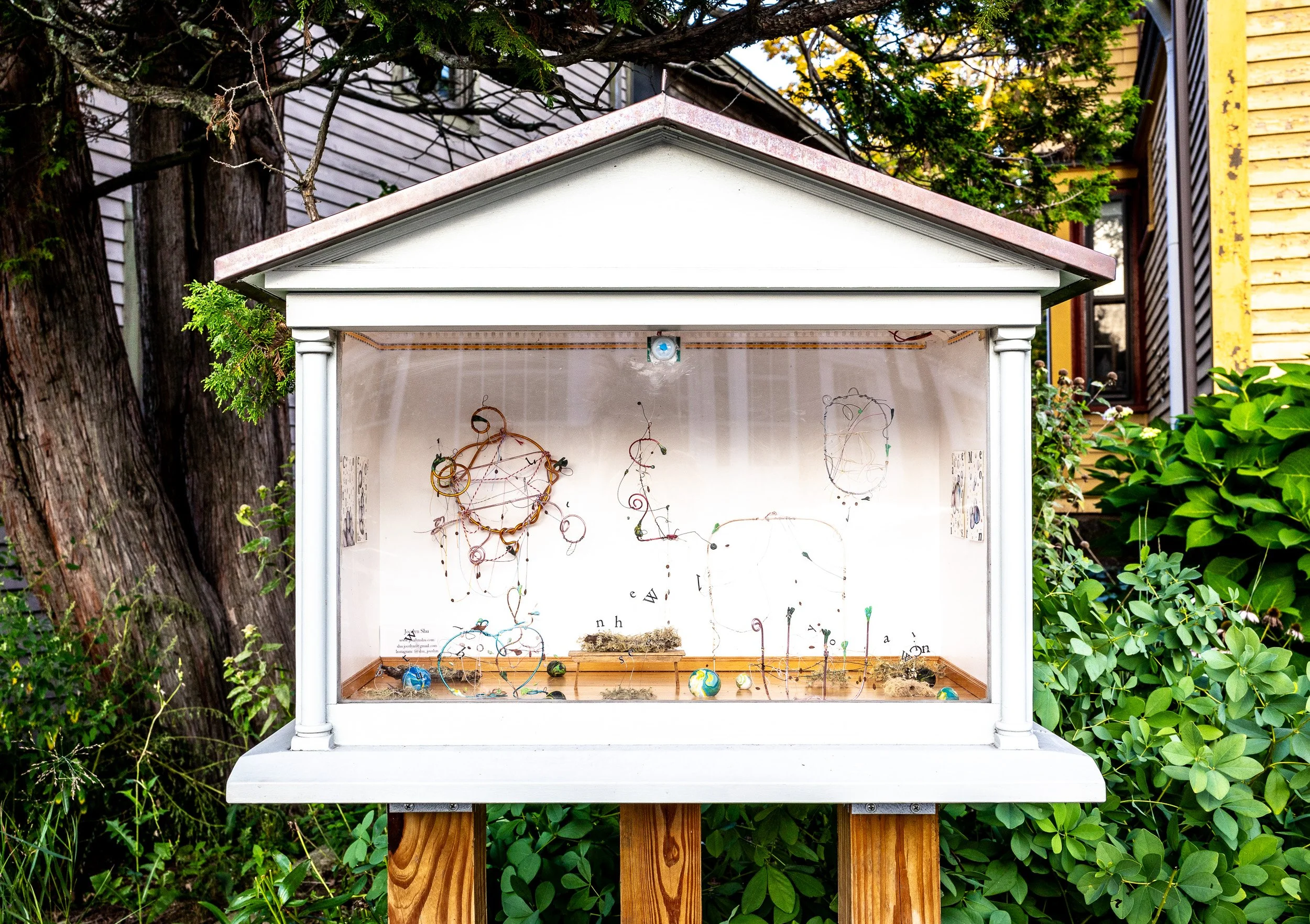
Solo show at Melrose Tiny Gallery (2023)




Artists and Language
Group show at Suffolk University Gallery, Boston, MA (2022)
Artists: Deborah Dancy, Ben Denzer, Sarah Hulsey, Leslie Schomp, Jocelyn Shu. Curated by Deborah Davidson.